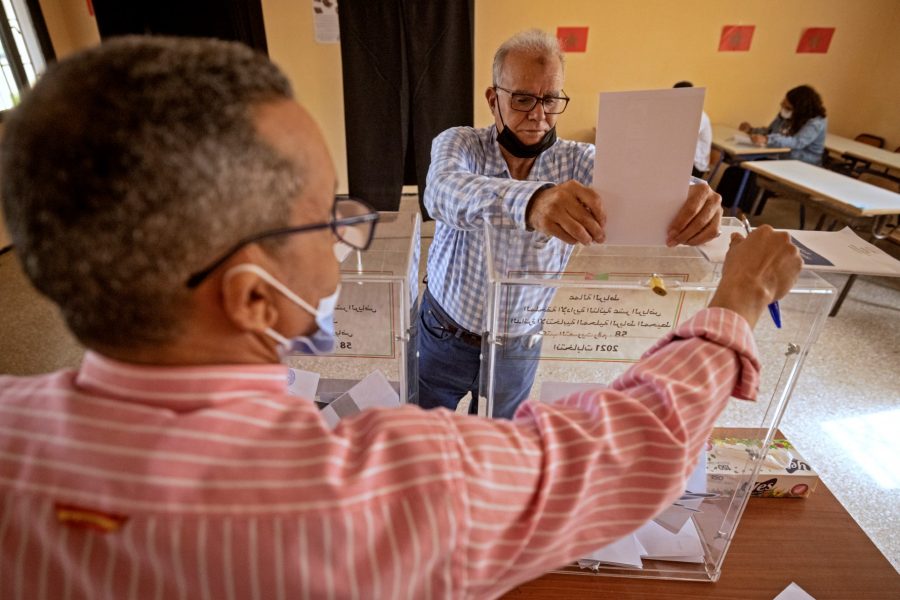
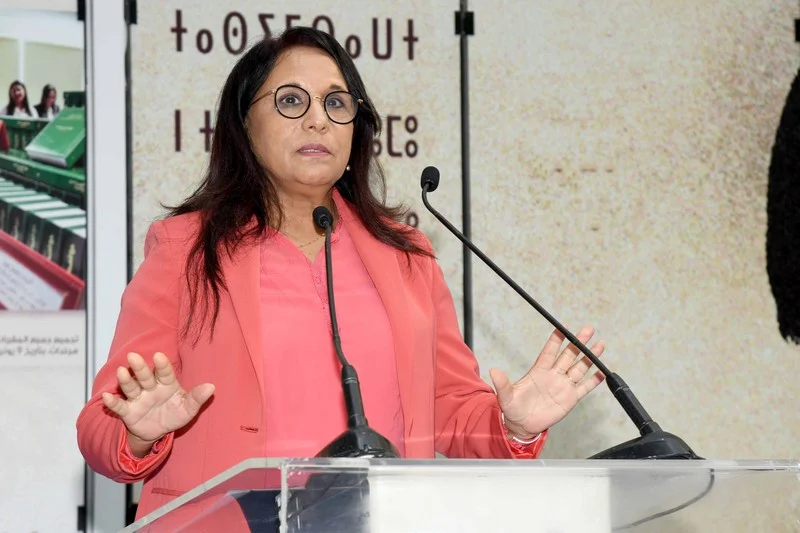
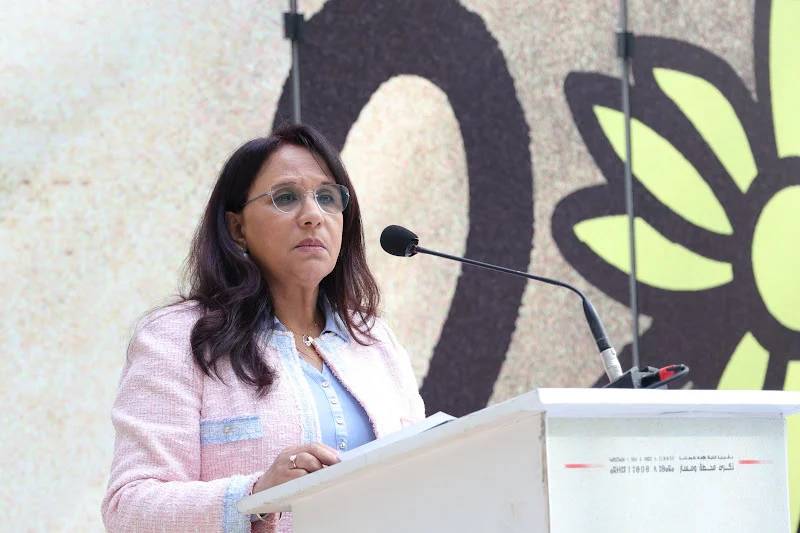
The National Human Rights Council (CNDH), held a press conference on Thursday headed by its president, Amina Bouayach, at the Rabat headquarters on the council’s observations and conclusions during the electoral campaigns and election day.
According to the CNDH conference, the legislative elections witnessed the participation of 31 political parties and bodies that submitted 1,704 lists, including 1,472 local lists comprising 5046 candidates, including 120 male and female candidates with disabilities. As for the number of lists submitted by the regional districts, it reached 232, comprising 1,769 female candidates, with an average of 20 candidates for each seat.
The number of registered voters reached a total of 17,983,490, compared to 15,702,529 in the 2016 elections.
The council stated that the voting process respected the Democratic procedures, as the council’s observers didn’t detect, in general, any violations of the transparency indicators, adding that they were “surprised” by the mutual accusations of using money between the four main political parties.
Starting August 21, and throughout the electoral campaign period, the Council halted a series of calls to boycott the elections, some of which went as far as to betray those participating. The council’s members observed, also, some cases of discrimination against women, the use of violence and advocacy for violence and hatred, a number of publications breaching the due protection of personal data, and the dissemination of false news.
On polling day, the council recorded cases of distributing leaflets calling for voting on a particular symbol and breaking the electoral silence, along with some cases of violence between candidates or campaign members in some polling offices. Moreover, Representatives of lists and candidates have expressed objections regarding the voting process, including objections to providing assistance to people with disabilities in many significant cases, according to CNDH.
The council reported 13 cases of preventing its observers from entering voting offices (out of 2310 offices observed). It also recorded 21 cases of complaints from accredited associations in which their observers were prevented in some regions from entering the voting offices.
The Council followed up on these 34 cases, and their problems were resolved in more than 18 offices, according to the CNDH conference.
The council covered 4.6% of the polling offices in the Kingdom, while international standards recommend 3% as a minimum.
The council’s 568 observers were distributed between urban and rural areas.
This year 44 NGOs were accredited to observe the September 8 election compared to 31 in the previous elections.
The council adopted five criteria- community, the population of the community, percentage of voting in previous elections, poverty rate and rate of illiteracy to determine the scope of its observation for the September 8, 2021 elections.



add your comment
Terms of publication : Not to offend the writer, people, sacred things, or attack religions or the divine self, and refrain from racist incitement and insults.