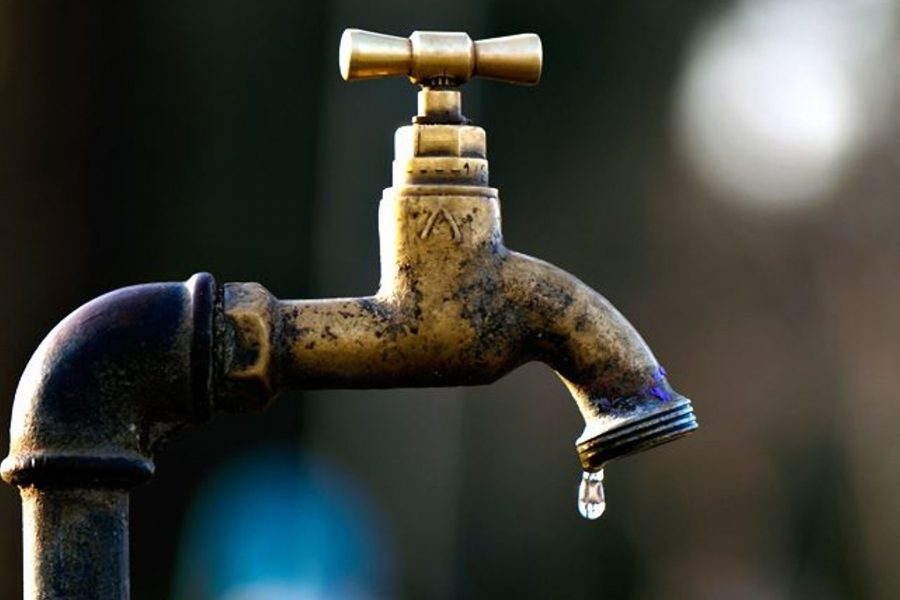
In the Fes-Meknes region, 779 rural communities now have access to drinking water after a global investment of MAD1.34 billion mobilized for the generalization of drinking water supply projects.
This project, carried out in partnership with the Council of the region, is part of the national plan to end social and territorial disparities in rural areas 2017-2023.
In total, MAD5.44 billion were allocated to the drinking water supply sector program at the regional level during the 2017-2021 period.
The largest part of these investments (MAD3.63 billion) concerns the urban environment, while MAD1.81 billion is devoted to rural areas.
Many rural communities rely on a single water source to sustain families and livelihoods. The lack of a functioning sanitation network and wastewater treatment system causes scarce water resources to become contaminated and unsuitable for multipurpose use.
In 2017, Zagora’s residents took the streets to demand the provision of drinking water to the population, which was known as “thirst protests”. Authorities then intervened and arrested 21 protestors, most of which were young people.
In May, “thirst protests” started again in some rural areas in the province of Zagora after water was cut off from household taps.
Morocco was identified as “very vulnerable” by the 4th Assessment Report of the United Nations’ Intergovernmental Panel on Climate Change (IPCC), its regions are affected by drought, increase in average temperatures, heatwaves, changing rainfall patterns, extreme rainfalls, floods and sea level rise.
Since the 1960s, an increase of 1° C has been observed throughout the entire country and projections show an increase of 1 to 1,5 ° by 2050.
Rainfall became more erratic and declined by 3-30% in different regions which affected Moroccan agriculture since the country has a strong dependence on rain-fed agriculture.
Since Rio in 1992, Morocco vowed to support transition to sustainable development. The kingdom is also committed to developing, in the short term, a National Adaptation Plan (NAP) up to 2030, to better coordinate its actions and maximize their impact in the field of climate change.




add your comment
Terms of publication : Not to offend the writer, people, sacred things, or attack religions or the divine self, and refrain from racist incitement and insults.