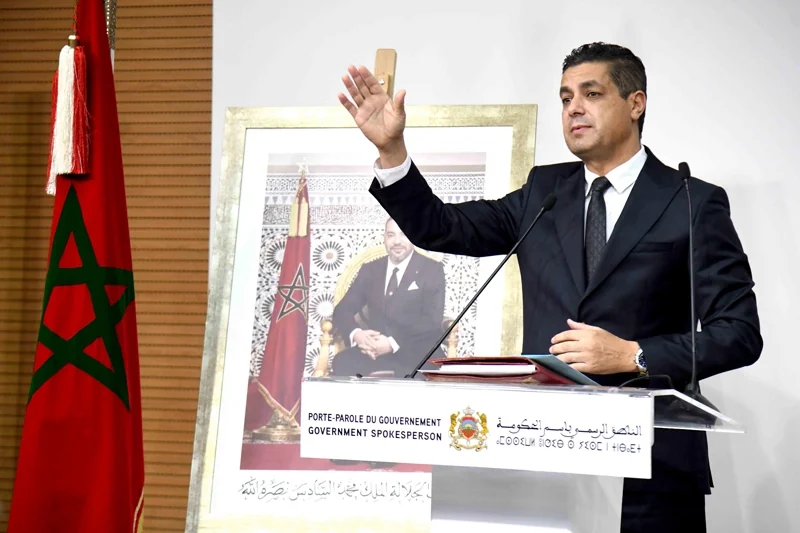
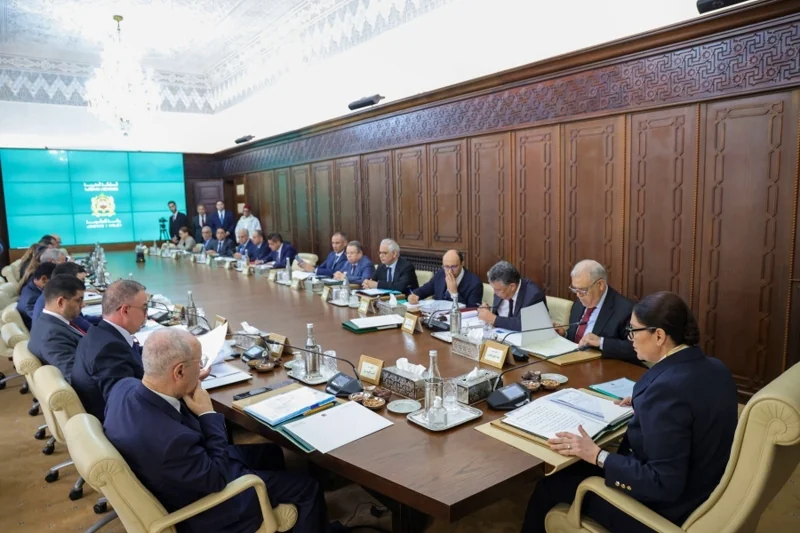
Morocco’s government has approved a draft decree establishing a framework for classifying dams, monitoring their safety and assessing the risks they pose, following amendments made after the Interior Ministry submitted observations on the initial version.
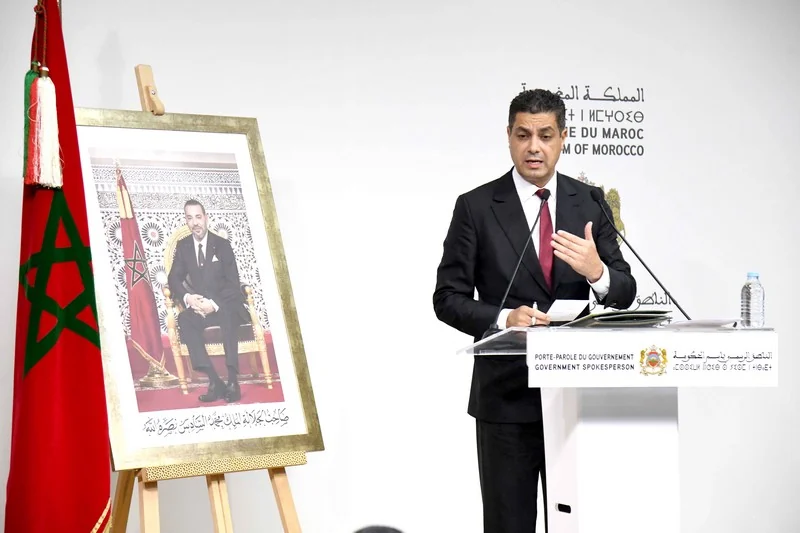
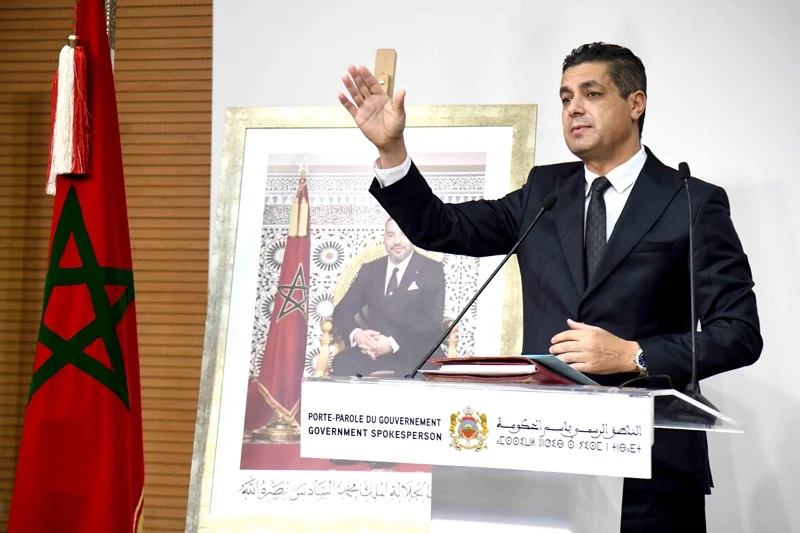
Samir Belfqih, Minister of National Territorial Planning, Urban Planning, Housing and City Policy and government spokesperson, said the decree aims to “provide an organized framework for monitoring these facilities and assessing their risks.”
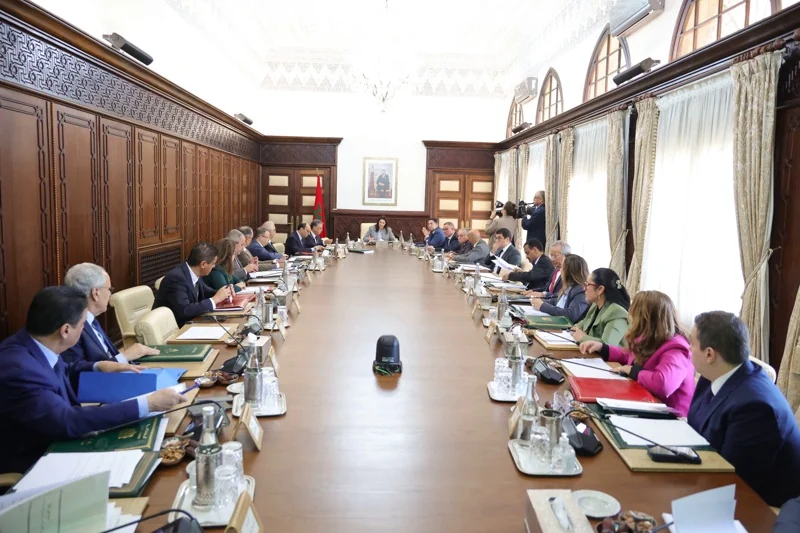
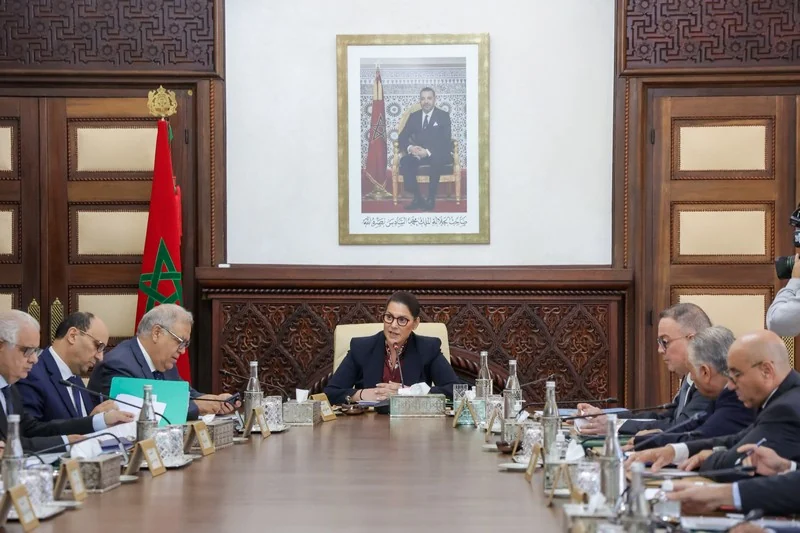
Speaking at the government’s weekly press briefing on Thursday, following the Cabinet meeting, Belfqih said the draft had previously been presented in February 2026, amid flooding in the Ksar El Kebir and Gharb regions and public debate over the safety of the Oued El Makhazine Dam.
At the time, the Interior Ministry submitted observations concerning the involvement of local authorities, including governors and provincial governors, in the monitoring system, Belfqih said. He added that these concerns had been addressed in the revised version of the draft.
Explaining the delay in approving the decree, the minister said Law No. 30.15 on dam safety required the adoption of around 20 implementing texts, several of which have already been completed.
The decree provides for the classification of dams, the monitoring of their safety and the assessment of associated risks. It also introduces a guide to support classification and determine the level of risk posed by each facility.
Three categories based on height and capacity
Under the new framework, dams will be divided into three categories according to their height or reservoir capacity.
The first category covers dams exceeding 30 meters in height or with a reservoir capacity of more than 25 million cubic meters.
The second category includes dams measuring between 15 and 30 meters in height or holding between 1 million and 25 million cubic meters of water.
The third category covers dams measuring between 5 and 15 meters in height or with a reservoir capacity of less than 1 million cubic meters.
Daily monitoring for higher-risk dams
The decree also establishes different technical monitoring and assessment schedules depending on a dam’s classification.
Dams in the first and second categories will undergo daily technical monitoring by the relevant operators, while those in the third category will be monitored weekly, Belfqih said.
Periodic assessments will take place every four years for the first and second categories and every five years for the third.
The minister stressed that there are currently no risks affecting Morocco’s dams, which number 156 nationwide, including small hillside dams.
Belfqih said the second component of the project involves preparing a technical guide to support dam classification, safety monitoring and risk assessment, with precise definitions of the relevant technical terminology.
He added that, under Law No. 30.15, Morocco now has a legal framework governing risk monitoring in coordination with local authorities and the Interior Ministry, particularly for dams under the supervision of the Ministry of Equipment.
Morocco has accumulated significant experience in risk management, the minister said, adding that the country’s national early-warning system is currently being tested.
Meat prices and livestock supply
Turning to meat prices and livestock supplies ahead of Eid al-Adha, expected in around five months, Belfqih said customs exemptions for meat importers would take effect on January 1 under a revised system based on specifications and conditions (cahier des charges), replacing the current licensing arrangement.
He said the challenges surrounding Eid al-Adha were not unique to Morocco, noting that countries that produce livestock were also facing difficulties.
The situation had several causes, including drought and climate change, he said, pointing to seven consecutive years of drought in Morocco, as well as rising input costs, particularly animal feed, diesel and transportation.
The government has incorporated measures to address these pressures into its government program and the draft Finance Bill, Belfqih said.
He also cited a circular signed by the ministries of Interior, Agriculture and Finance requiring the disclosure of meat prices, suppliers and the products’ origins.
The measure, introduced during the government’s first five weeks in office, appeared to have produced results, he said, adding that meat prices had stabilized. He expressed hope that prices would eventually return to their previous levels.
The government is preparing further measures, including initiatives to modernize slaughterhouses, Belfqih said. The agriculture minister will conduct a comprehensive assessment of the measures already taken and present the findings to Parliament, as he had committed to doing.
Belfqih also announced a strategy to rebuild Morocco’s national livestock herd in implementation of royal instructions and directives. The agriculture minister is expected to present its main outlines at the earliest opportunity.
The government spokesperson concluded by saying that the issue remained among the government’s top priorities because of its direct impact on Moroccans’ purchasing power.



add your comment
Terms of publication : Not to offend the writer, people, sacred things, or attack religions or the divine self, and refrain from racist incitement and insults.