
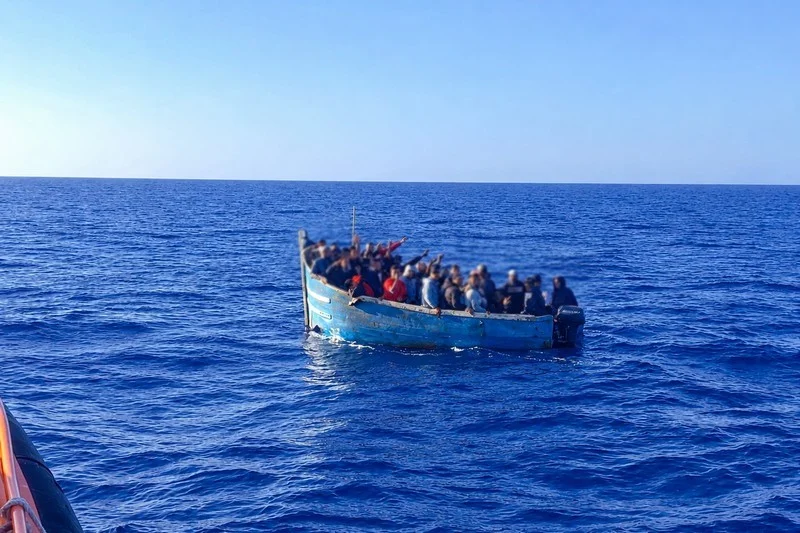
Morocco has become a campaign target for Spain’s right-wing parties ahead of the Nov. 29 general election, with migration, Ceuta and the 2030 World Cup giving candidates fresh opportunities to attack the government’s policy toward its southern neighbor.
The People’s Party (PP) and far-right Vox have used Morocco to challenge Prime Minister Pedro Sanchez over border security and national sovereignty. Sanchez’s Socialist Workers’ Party (PSOE), meanwhile, has defended cooperation with Morocco but has left the country out of its election platform.
Vox turns Morocco into a security issue
Vox leader Santiago Abascal has made Morocco a central part of his campaign’s security message, linking the kingdom to migration and Spain’s territorial integrity.
Abascal has described the mass crossings into Ceuta as an “invasion” and accused Morocco of failing to respect Spain’s borders. He has also questioned whether Spain should continue co-hosting the 2030 World Cup with Morocco.
In a Nov. 24 interview with Mundo Deportivo, Abascal said the situation in Ceuta should force Spain to reconsider the tournament.
He said that Spain should not host the competition alongside Morocco while, in his view, the border dispute remains unresolved.
Vox’s election platform proposes stronger controls in Ceuta and Melilla, sanctions against Morocco and a review of diplomatic relations and international agreements. The party also calls for changes to trade agreements it says harm Spanish farmers.
The proposals put pressure on Morocco while allowing Vox to present itself to Spanish voters as the party willing to take the toughest position on border security.
PP promises dialogue but threatens World Cup boycott
The conservative PP has taken a more mixed approach, promising to strengthen ties with Morocco while also using it to draw a contrast with Sanchez.
Party leader Alberto Nunez Feijoo has said Morocco would be his first destination outside the European Union if he became prime minister. He has described Morocco as one of Spain’s most strategic neighbors and pledged to pursue a balanced policy toward Morocco and Algeria.
But Feijoo has also threatened to withdraw Spain from the 2030 World Cup hosting arrangement if Morocco is awarded the final.
The position puts the PP between two campaign goals: reassuring voters that it can manage relations with Morocco and appealing to those who want a tougher response to the kingdom.
On the Moroccan Sahara, the PP says it supports a negotiated solution under the United Nations. Its platform does not clearly state whether it would maintain Spain’s support for Morocco’s autonomy plan, which Sanchez backed in 2022.
PSOE defends cooperation but leaves Morocco out
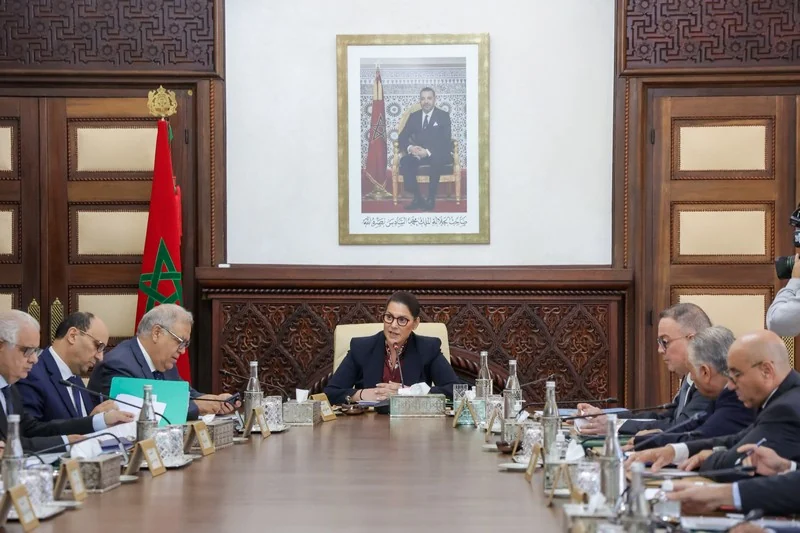
Sanchez has defended cooperation with Morocco, particularly on migration and border management, saying that Spain needs a stable relationship with its southern neighbor.
The PSOE’s election platform, however, does not mention Morocco or the Moroccan Sahara. The omission stands out because the government’s 2022 decision to support Morocco’s autonomy proposal marked a major shift in Spain’s position on the dispute.
The decision drew criticism from parties that support Sahrawi self-determination and remains a point of political division in Spain.
The campaign has therefore put the PSOE in a difficult position. Sanchez continues to defend his government’s approach, but his party’s election document does not explain how it plans to manage the relationship during the next term.
Moroccan Sahara divides the Spanish left
Several left-wing parties are using the election to call for a reversal of Spain’s 2022 position.
The Broad Front and Podemos want Spain to withdraw its support for Morocco’s autonomy plan and back a referendum on Sahrawi self-determination under United Nations supervision. Podemos also proposes recognizing the Sahrawi Arab Democratic Republic.
Their proposals contrast with the PSOE’s policy and give voters a clear alternative on the Moroccan Sahara.
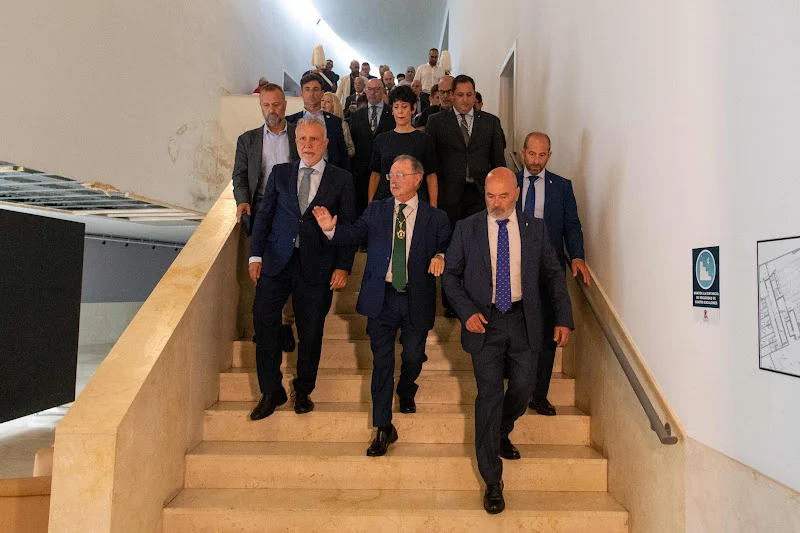
Other parties have focused on specific issues. Coalicion Canaria wants the Canary Islands to take part in talks with Morocco over maritime boundaries, while some regional parties have called for Spain to reconsider agreements involving the Moroccan Sahara.





add your comment
Terms of publication : Not to offend the writer, people, sacred things, or attack religions or the divine self, and refrain from racist incitement and insults.