
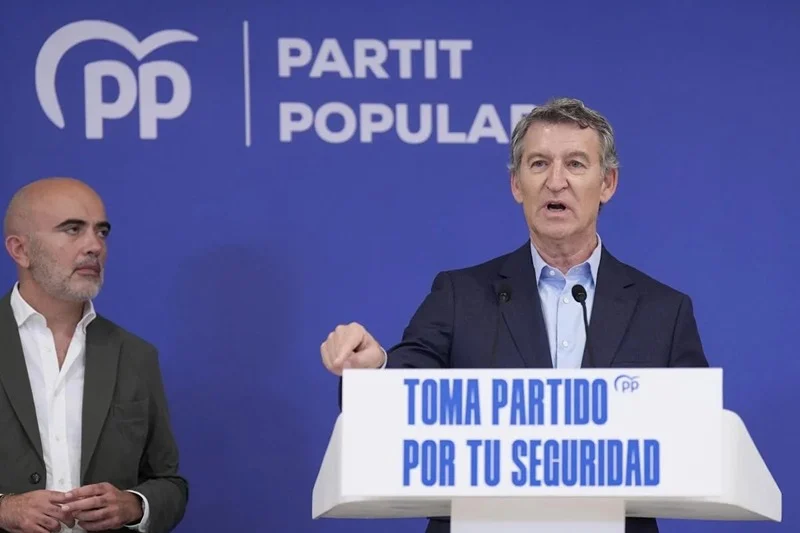
A long-running educational cooperation program between Spain and Morocco that offers Arabic language and Moroccan culture classes in public schools will end in Andalusia under a new agreement between Spain’s conservative People’s Party (PP) and the far-right Vox party.
The measure, which will take effect during the 2027–28 academic year, will affect 91 public schools in Andalusia and forms part of a broader coalition agreement that secured Vox’s parliamentary support for PP-led regional governments.
Nationwide, the decision could affect 298 public schools participating in the Programme for Teaching Arabic Language and Moroccan Culture (PLACM).
PLACM is a bilateral initiative between Spain and Morocco that provides voluntary extracurricular classes in Arabic language and Moroccan culture. While primarily intended for students of Moroccan origin, the program is also open to other interested pupils.
Its stated objectives are to strengthen students’ language skills, preserve their cultural heritage and support their integration into Spain’s education system.
Vox has long opposed the program, arguing that it promotes cultural separation rather than integration and weakens Spain’s national identity.
The party has also criticized the program’s expansion in recent years, particularly in Andalusia and Catalonia, citing growth in student enrollment and teaching staff.
Vox further argues that teachers are selected directly by Moroccan authorities without sufficient oversight from Spain’s national or regional education administrations.
The party says immigrant students should instead be encouraged to fully integrate into Spanish society and has described the abolition of PLACM as necessary to strengthen social cohesion and protect national identity.
The PP has characterized the decision as a political compromise rather than a change in its educational philosophy.
Party officials say the agreement was necessary to secure stable regional governments in assemblies where no party commands an outright majority. They have also maintained that education policy falls within the authority of Spain’s autonomous regions and that coalition agreements reflect voters’ electoral mandates.
The decision is expected to intensify debate in Spain over immigration, integration policies and multicultural education, while raising questions about the future of educational cooperation between Madrid and Rabat.




add your comment
Terms of publication : Not to offend the writer, people, sacred things, or attack religions or the divine self, and refrain from racist incitement and insults.