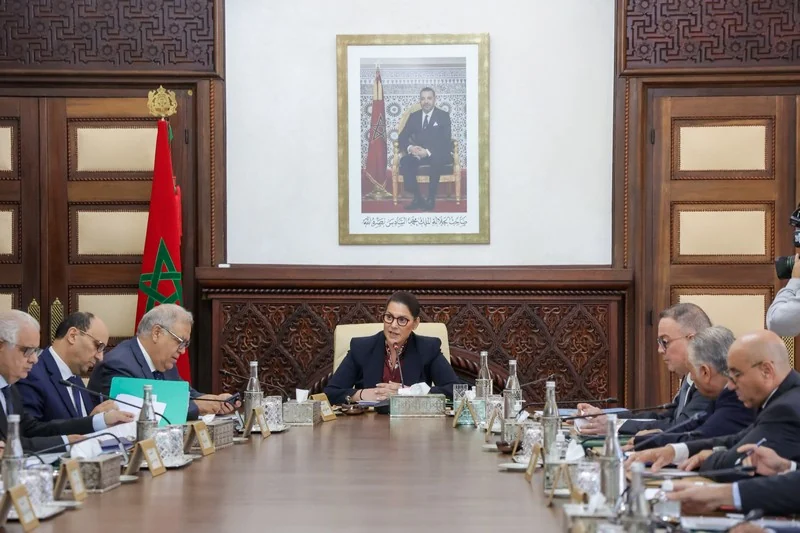
Morocco’s government has pledged to honor nearly MAD 50 billion in commitments inherited from previous social agreements as it prepares for a new round of negotiations with trade unions seeking higher wages, improved pensions and the implementation of outstanding reforms.
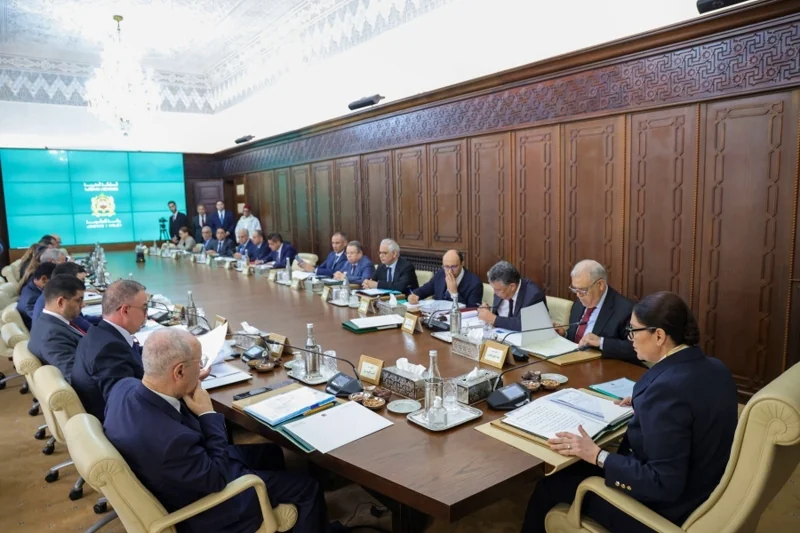
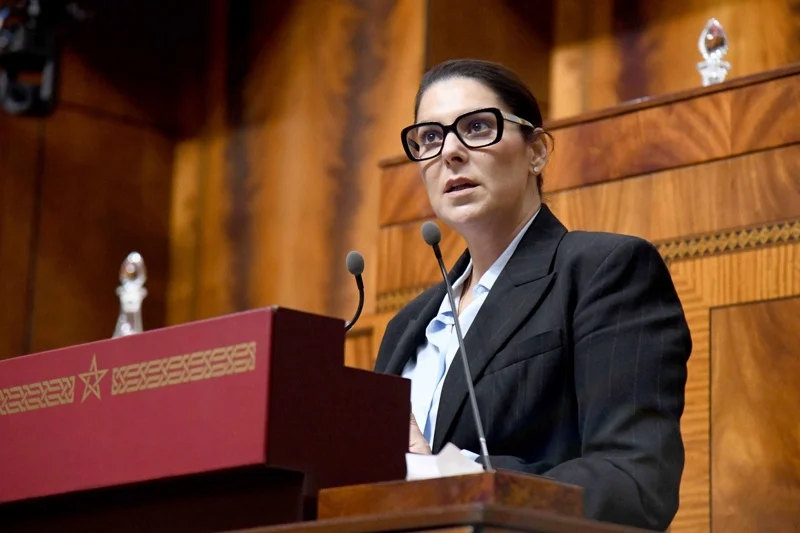
Head of Government Fatima Ezzahra El Mansouri reaffirmed that commitment at Thursday’s Government Council meeting, following her first consultations with the country’s main trade unions and employers’ organizations. The discussions, which she described as positive, have brought competing demands into focus as the new administration seeks to revive a social dialogue process that has struggled to resolve longstanding disagreements over incomes, pensions and labor legislation.
The MAD 50 billion covers commitments arising from agreements concluded in 2022 and 2024, rather than a new package of concessions. Under the latter agreement, eligible public sector employees received a MAD 1,000 monthly net salary increase in two installments, but unions maintain that previous measures have not adequately addressed the cost of living or the purchasing power of workers.
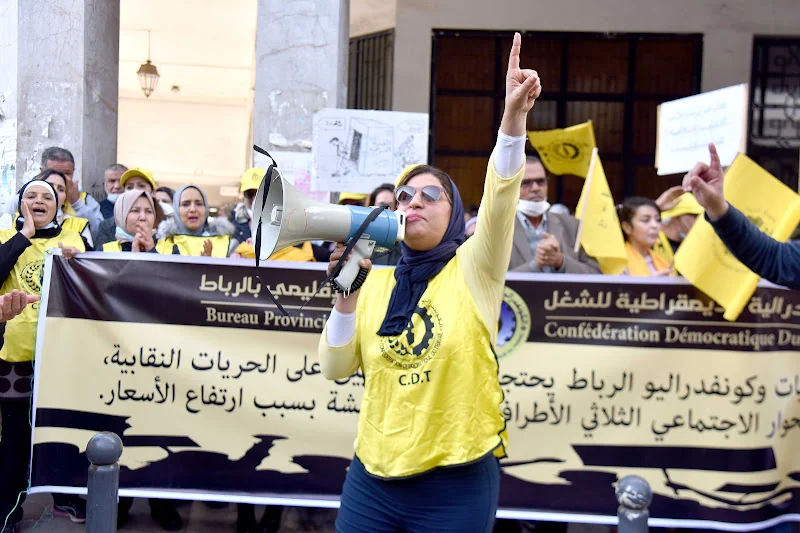
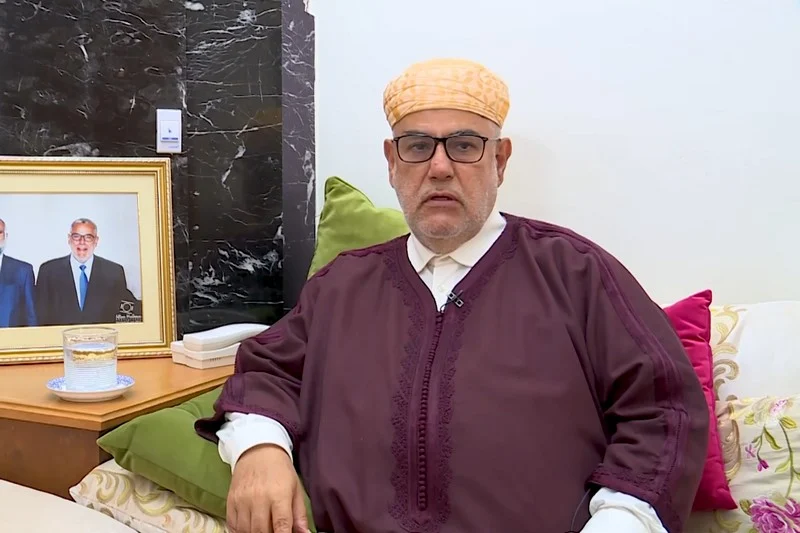
During the latest consultations, Moroccan Labor Union (UMT) secretary-general Miloudi Moukharik told Hespress that his organization was demanding a general 30% wage increase. The Democratic Confederation of Labor (CDT), meanwhile, has pressed for higher salaries and pensions while seeking progress on commitments that remain unfulfilled.
The pension system presents another challenge. Union representatives told Hespress that El Mansouri had not put forward a retirement reform proposal during the initial discussions, despite earlier commitments to negotiate a two-pillar system covering public and private sector workers. The government has indicated that the issue will return to the negotiating table, although no timetable has been announced.
Employers have entered the discussions with their own priorities. Hicham Zouanat, chairman of the General Confederation of Moroccan Enterprises’ (CGEM) social affairs committee, told Hespress that the organization wants a revision of Morocco’s Labor Code beginning in 2027, alongside measures to address skills shortages and improve business competitiveness.
El Mansouri acknowledged those concerns on Thursday, saying the consultations had also examined investment incentives, administrative simplification and changes to licensing procedures. She urged ministers to pursue sectoral negotiations, particularly as employers report shortages of qualified workers while unemployment remains a major national concern.
The Government Council separately approved three decrees delegating borrowing and debt management powers to the finance minister for 2027, as well as new regulations governing dam safety.




add your comment
Terms of publication : Not to offend the writer, people, sacred things, or attack religions or the divine self, and refrain from racist incitement and insults.