
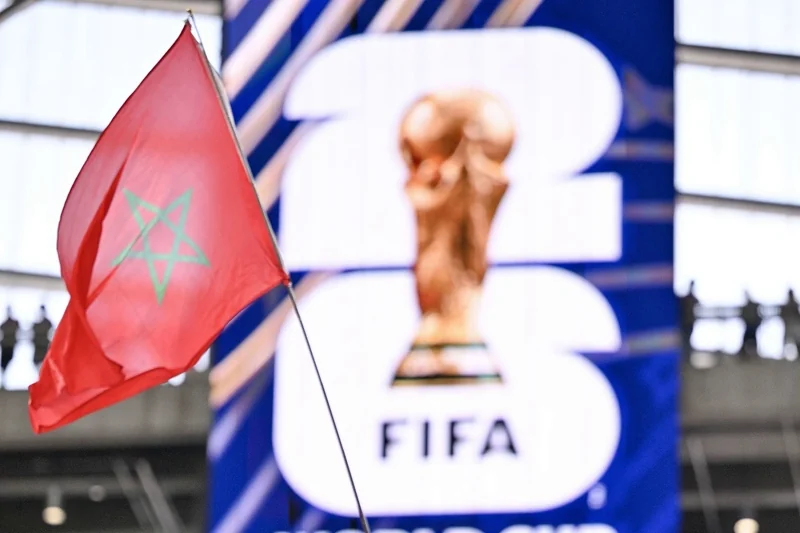
Morocco’s preparations to co-host the 2030 FIFA World Cup have been underway for more than two years, with infrastructure and investment projects now advancing at an accelerated pace, Youth, Culture and Communication Minister Mohamed Mehdi Bensaid said Wednesday.
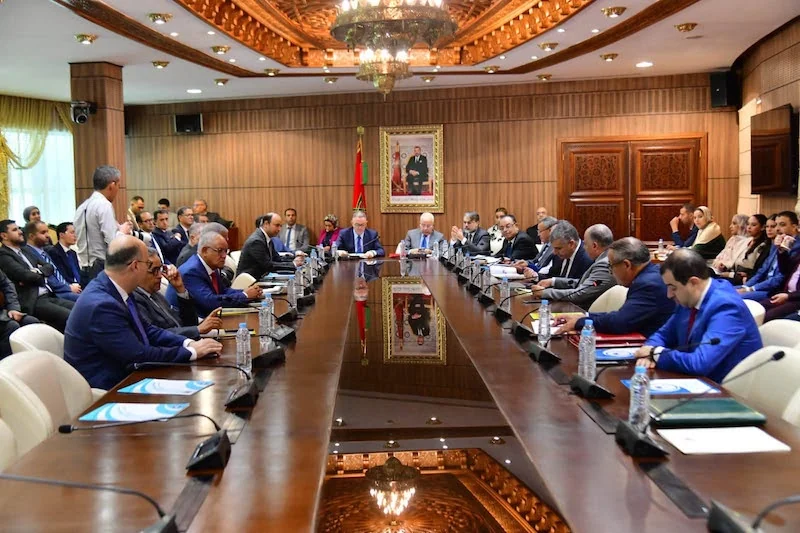
Speaking before the Education, Cultural Affairs and Social Affairs Committee of the House of Councillors, Bensaid urged all sectors involved in the tournament to step up preparations, saying the country must use the event to build a lasting legacy.
The 2030 edition will carry particular historical and geographical significance, coinciding with the centenary of the first World Cup and marking the tournament’s first edition hosted across two continents, Africa and Europe. It will also be only the second World Cup held on African soil, he said.
The joint tournament hosted by Morocco, Spain and Portugal will rely on extensive infrastructure, including 19 stadiums across 19 host cities, 102 operational airports, 172 team accommodation facilities, 122 hotels, 13 fan zones and 164 training grounds, according to the minister.
In Morocco, six cities have been proposed to host matches: Agadir, Casablanca, Fez, Marrakech, Rabat and Tangier.
More than 30 team training camps are also planned across the country, including in cities outside the proposed host venues such as Nador, Al Hoceima, Ouarzazate, El Jadida and Ifrane.
Addressing the tournament’s economic model, Bensaid said host countries would concentrate their spending on infrastructure and training, while FIFA would cover operational and logistical costs, broadcasting rights, ticketing and marketing.
He added that temporary tax exemptions linked to the tournament are part of FIFA’s standard requirements for all host countries.
Bensaid stressed that the World Cup should not be viewed as an end in itself, but rather as a catalyst for accelerating major development projects already planned by the government.
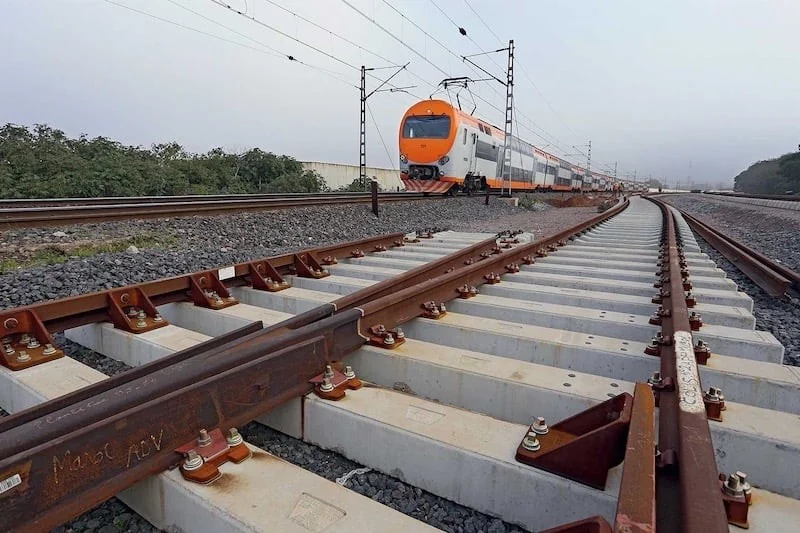
Among these projects is the expansion of Morocco’s high-speed rail network to Marrakech, alongside upgrades to airport infrastructure, the road network, sports facilities and urban development projects.
The government expects the tournament-related preparations to generate more than 48,000 direct and indirect jobs by 2030, according to Bensaid.
Construction is expected to account for 52% of those jobs, while industry, hospitality and restaurants are projected to represent a combined 28%.
Morocco also expects its gross domestic product to increase by 13.2% compared with 2023 levels, the minister said.
Bensaid concluded that the country’s main challenge lies in creating a sustainable legacy extending beyond the tournament’s economic benefits to include sports diplomacy and Morocco’s international image.
He called on all relevant sectors, particularly hotels and cultural institutions, to prepare well in advance to capitalize on Morocco’s proximity to Europe and its cultural and historical heritage.
The goal, he said, is to turn visitors arriving for the World Cup into long-term tourists who return to discover the country and its heritage after the competition ends.


add your comment
Terms of publication : Not to offend the writer, people, sacred things, or attack religions or the divine self, and refrain from racist incitement and insults.