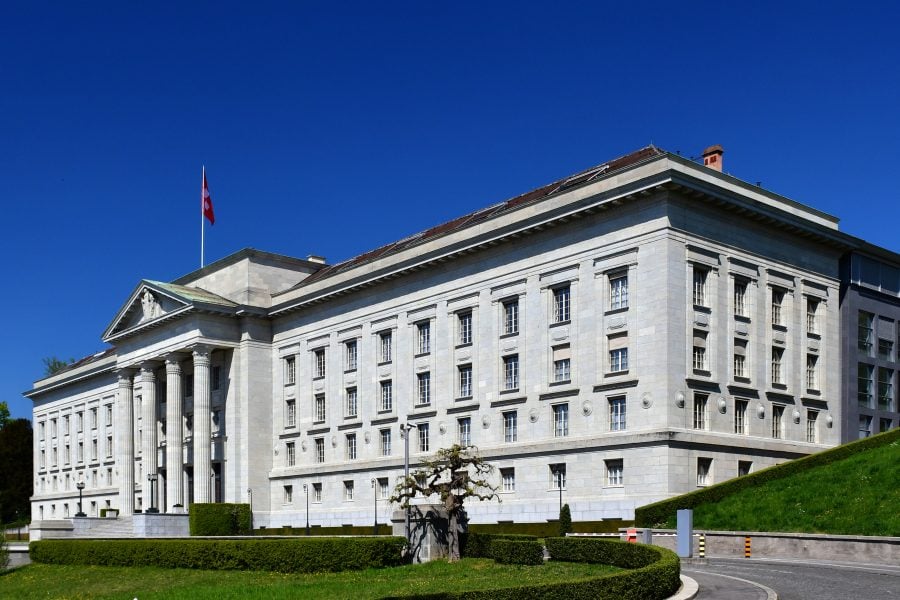
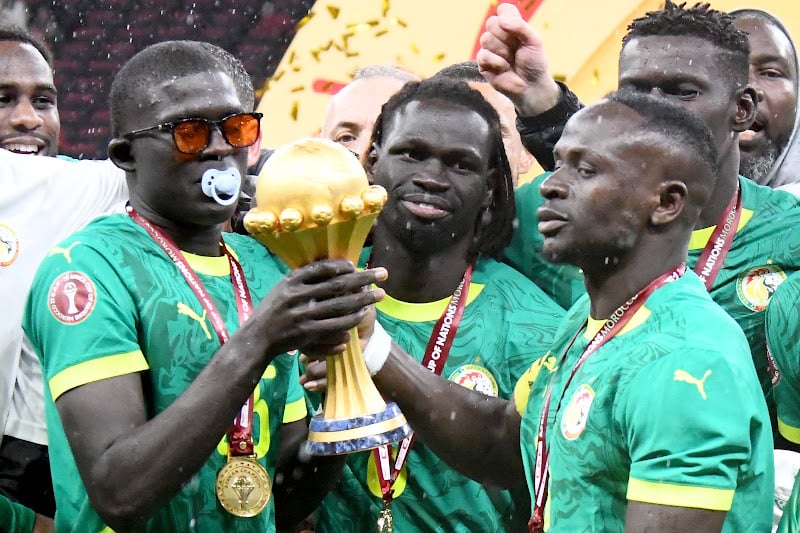
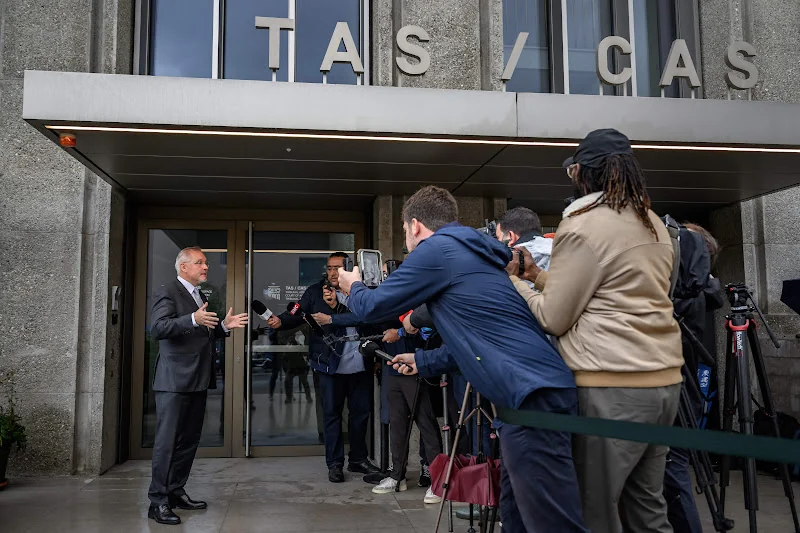
Morocco is taking the CAS ruling on the controversial 2025 AFCON final to the Swiss Federal Tribunal, seeking to have it overturned in what is expected to be a tough legal battle before a court that rarely sets aside CAS decisions.
The Royal Moroccan Football Federation (FRMF) noted that CAS had failed to address a reported phone call between the German arbitrator and the president of the Senegalese Football Federation, and had not considered recent positions taken by IFAB and FIFA regarding players leaving the field without the referee’s permission.
Generally, only around 6% of CAS rulings are appealed before Switzerland’s Federal Supreme Court each year.
Between 1989 and 2019, the Swiss Federal Tribunal overturned only 12 of the 153 sports arbitration awards it reviewed on the merits, representing a success rate of just 7.84%. Meanwhile, between January 2020 and December 2023, it set aside only three of the 99 CAS awards challenged before it, a rate of barely 3%.
Here are some cases in which the Swiss Federal Tribunal overturned CAS rulings
In June 2023, Switzerland’s Federal Supreme Court overturned a CAS ruling in a contractual dispute between Croatian club Dinamo Zagreb and Austrian assistant coach René Poms over an issue concerning the appointment of an arbitrator. Croatian media described the verdict as the first of its kind in 15 years.
The dispute dates back to March 2020, when the club dismissed its coaching staff, including Poms, after they rejected its proposal to reduce salaries during the COVID-19 pandemic.
Poms took the case to FIFA, which ruled in his favor and ordered the club to pay him €180,000 in compensation for terminating his contract.
The club appealed the decision before CAS in Lausanne. However, after nearly two years of proceedings, the tribunal upheld the ruling and awarded Poms approximately €220,000.
Dinamo Zagreb then challenged the decision before Switzerland’s Federal Supreme Court, citing several alleged procedural violations.
The court overturned the CAS ruling, which had found that the Croatian Football Federation’s arbitration court could not guarantee fair proceedings and that its arbitrators had not been validly appointed, thereby giving FIFA jurisdiction over the dispute.
Swiss court overturns Chinese swimmer’s ban over arbitrator’s impartiality
In December 2020, Switzerland’s Federal Supreme Court overturned a CAS ruling imposing an eight-year ban on Chinese swimmer Sun Yang for an anti-doping violation, finding that comments made by the presiding arbitrator on social media raised doubts about his impartiality.
The case began in September 2018, when Yang disrupted an anti-doping test and destroyed a glass container holding a blood sample that had already been collected.
In February 2020, CAS found him in breach of anti-doping rules and imposed an eight-year ban.
Yang appealed to Switzerland’s Federal Supreme Court, arguing that the arbitration panel had not been properly constituted because of comments made by its president on Twitter in 2018 and 2019, which he considered racially prejudiced against Chinese people.
In December 2020, the court agreed that the comments raised doubts about the arbitrator’s impartiality and overturned the ruling.
CAS reheard the case before a new panel and, in June 2021, again found Yang guilty of an anti-doping violation, but reduced his ban to four years and three months.
Yang challenged the new ruling, but in February 2022, the Swiss court rejected his appeal, leaving the ban in place.
30 days to appeal
The FRMF has 30 days from the date it receives the full CAS ruling to file an appeal before Switzerland’s Federal Tribunal.
Its lawyers now have until late December 2026 to review the 53-page award and prepare their case.
Under Article 190(2) of Switzerland’s Private International Law Act, the court may set aside an arbitral award on only five grounds: the improper constitution of the arbitral tribunal; an incorrect ruling on jurisdiction; a decision that goes beyond the claims submitted to the tribunal or fails to address a claim; a violation of the right to be heard or the equal treatment of the parties; or a violation of Swiss public policy.






add your comment
Terms of publication : Not to offend the writer, people, sacred things, or attack religions or the divine self, and refrain from racist incitement and insults.