
Morocco’s foreign exchange market has come under renewed pressure, with the gap between the average market exchange rate and the central rate set by Bank Al-Maghrib exceeding 1% for two consecutive trading sessions. The spread reached 1.33% on November 16 and 1.29% the following day, after peaking at 2.71% on October 6.
The renewed pressure on the dirham comes amid persistent imbalances in foreign currency flows, despite official reserve assets reaching record levels. The trade deficit widened by 25.4% in the first nine months of the year, pointing to a growing gap between demand for foreign currencies and the supply available on the market.
Exchange market data showed the dollar trading at MAD 9.97 on November 17, as importers continued to demand US currency, particularly to pay for energy purchases. The fluctuations have raised concerns about their impact on import costs and corporate profit margins.
Hypothetical exchange-rate scenarios show that postponing a $10 million purchase could generate savings of up to MAD 2.1 million if the dollar weakens, or result in an additional cost of about MAD 3.12 million if it strengthens, depending on market movements and liquidity conditions.
The latest developments mark a return of pressure following a temporary easing in October. The gap between the market rate and the central rate narrowed from 2.71% on October 6 to minus 0.33% on October 12, while the dollar fell from MAD 9.9694 to MAD 9.7068.
On a purely mathematical basis, that shift would have allowed an importer purchasing $10 million to save about MAD 2.63 million compared with the cost of executing the transaction at the peak of the October pressure.
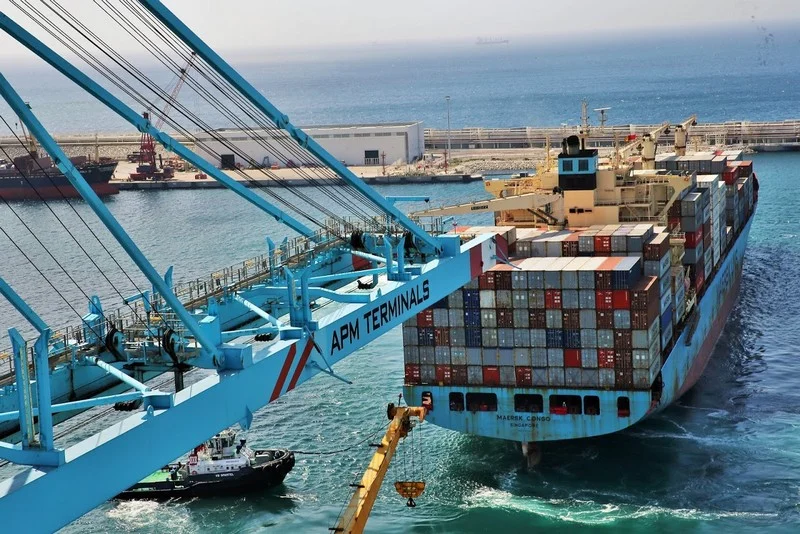
The fluctuations highlight the foreign exchange market’s sensitivity to liquidity conditions, particularly as demand to finance imports continues to grow. Morocco’s trade deficit reached MAD 323.94 billion at the end of September, up 25.4% year on year. Imports rose 17% to nearly MAD 708 billion, while exports increased 10.7% to MAD 384.05 billion.
Meanwhile, external inflows continued to support the country’s foreign exchange reserves. Remittances from Moroccans living abroad reached MAD 103.06 billion, while net foreign direct investment inflows totaled MAD 35.25 billion at the end of September, increases of 11.3% and 58.4%, respectively.
However, the continued arrival of these funds does not prevent temporary mismatches between foreign currency supply and demand, as the timing of inflows may not coincide with importers’ payment deadlines.
Liquidity pressures and currency flows
The renewed strain has raised questions about the factors affecting the dirham and the extent to which they are linked to international market movements or domestic imbalances in the distribution of foreign currency liquidity.
Official reserve assets stood at MAD 515.6 billion on November 5, up 19.4% year on year, according to Bank Al-Maghrib’s weekly indicators.
Omar Badri, a financial markets analyst at an investment bank in Casablanca, said the renewed pressure primarily reflected a temporary imbalance between demand for foreign currencies and the supply available on the interbank market, rather than necessarily indicating a decline in the national economy’s ability to generate foreign exchange.
He explained that rising official reserves do not guarantee that the same liquidity is immediately available to economic operators at all times. When large import payments coincide with limited offers of foreign currency on the market, the gap between the market rate and the central rate can widen.
Analyzing the dollar-dirham exchange rate also requires distinguishing between movements in the US currency on international markets and domestic liquidity conditions, Badri told Hespress. The dirham is pegged to a reference basket comprising 60% euros and 40% US dollars.
Higher domestic demand for dollars can therefore increase the cost of purchasing the currency even when international markets are not recording a comparable rise in its value, he said. Monitoring the spread between market and central exchange rates remains an important indicator of market stress and the sources of pressure on the national currency.
Looking ahead, Badri said energy prices, importers’ foreign currency requirements and the timing of foreign exchange inflows would remain key factors influencing the market, alongside US monetary policy decisions and movements in the euro-dollar exchange rate.
He warned that the simultaneous arrival of large foreign currency orders could trigger renewed pressure, while an improvement in foreign currency supply could narrow the spreads quickly, as happened in October. Such an easing, however, would not necessarily mean that the underlying causes of market volatility had been resolved.
Historical data also underscore the importance of liquidity. The gap between the market rate and the central rate shifted from minus 3.35% on June 1 to plus 2.71% on October 6, a swing of more than six percentage points in four months.
The movement reflected a transition from relatively abundant foreign currency supply to a period of stronger demand, followed by a rapid easing that proved short-lived.
Financial estimates based on exchange-rate movements suggest that the cost of purchasing $10 million increased by about MAD 4.53 million between June 1 and September 28, with MAD 3.17 million of that increase attributed to liquidity conditions.
The same transaction incurred an additional cost of MAD 3.35 million between September 28 and October 6, including MAD 2.70 million resulting from the widening spread between the market and central rates. The estimates highlight the significant role liquidity can play in determining the final cost of commercial transactions.
Import costs and financial hedging
The impact of foreign exchange market pressure extends beyond daily price fluctuations, affecting the financial position of importing companies, particularly those that rely on the dollar to pay for energy, equipment and raw materials.
An increase in the US currency’s value raises the dirham cost of invoices denominated in dollars. It can also erode profit margins when companies cannot pass higher costs on to customers or are bound by commercial contracts that set prices in advance.
Hypothetical scenarios based on a reference rate of MAD 9.97 per dollar illustrate the potential cost of delaying purchases. If the dollar falls to MAD 9.76, an importer buying $10 million could save MAD 2.1 million. If it rises to MAD 10.28, the same transaction would cost an additional MAD 3.12 million.
For purchases worth $100 million, the difference would range from potential savings of MAD 21 million to additional costs of MAD 31.2 million.
Mohsen Qaryoun, a financial adviser specializing in investment portfolio management and financial engineering, said rapid exchange-rate fluctuations require importing companies to incorporate currency risk into their daily financial management rather than treating it as an external variable beyond their control.
A company that signs supply contracts in dollars but sets its selling prices in dirhams may see its profit margin shrink when the exchange rate changes between the contract date and the payment date, even if the prices of imported goods remain stable on international markets, he told Hespress.
The exposure is particularly significant for companies operating with narrow profit margins or relying on short-term financing, he added.
Financial hedging instruments can help companies reduce their exposure to currency fluctuations, Qaryoun said. These include forward exchange contracts, which lock in the cost of future purchases, and currency options, which establish a ceiling on potential losses while allowing companies to benefit from favorable exchange-rate movements.
Choosing the appropriate instrument requires a careful assessment of payment deadlines, the size of commercial obligations and hedging costs, as well as a company’s ability to cover premiums and bank margins. Otherwise, protection against exchange-rate risk could become an additional financial burden, he warned.
Qaryoun also highlighted the importance of financial planning, including aligning revenue collection dates with foreign currency payment obligations and spreading currency purchases over different periods rather than concentrating them on a single date.
Combining partial hedging with advance cash-flow planning can limit the impact of sudden fluctuations, he said, cautioning against making financial decisions based solely on forecasts of the dollar’s direction given the difficulty of predicting market movements and the interaction of domestic and international factors.
Theoretical forward exchange-rate estimates put the dollar at MAD 9.9554 for one-month contracts, MAD 9.9236 for three-month contracts and MAD 9.8787 for six-month contracts, based on specific interest-rate assumptions.
Under these calculations, an importer could lock in the cost of purchasing $10 million in three months at approximately MAD 99.24 million, compared with MAD 99.7 million at the reference spot rate, before accounting for bank margins and transaction costs.
The 2026 General Foreign Exchange Instructions issued by Morocco’s Foreign Exchange Office allow companies to use hedging instruments linked to genuine economic transactions, subject to regulatory conditions governing the nature, amounts and maturity of the operations.
The framework gives companies tools to manage their exposure to foreign currencies amid continued pressure on foreign exchange flows and uncertainty surrounding energy prices and international monetary policy.
The latest figures leave importing companies weighing the cost of purchasing dollars immediately against the risks of delaying transactions. Recent market movements show that rising official reserves do not necessarily prevent temporary liquidity shortages.
Managing payment schedules, anticipating foreign currency requirements and selecting appropriate hedging instruments remain central to limiting the impact of exchange-rate fluctuations on import costs and corporate profitability.





add your comment
Terms of publication : Not to offend the writer, people, sacred things, or attack religions or the divine self, and refrain from racist incitement and insults.