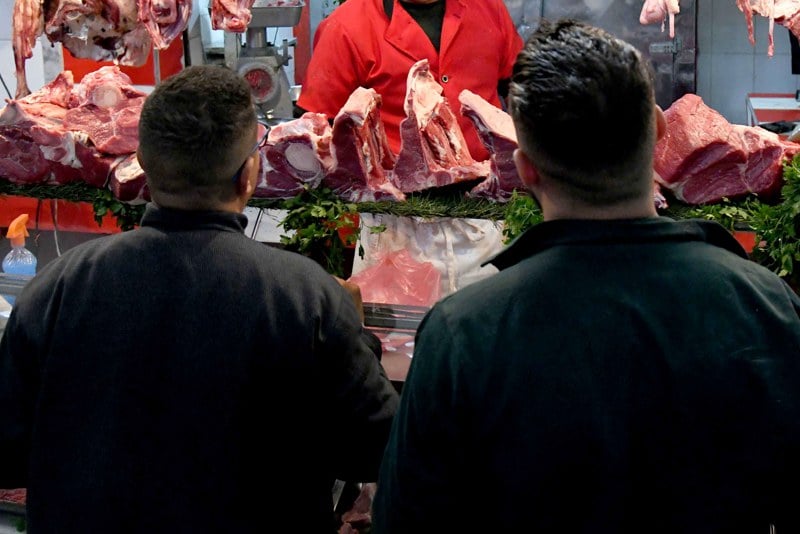
Brazilian meat remains eligible for import into Morocco as stricter European Union requirements take effect for countries exporting animals and animal products to the bloc over their use of antimicrobials.
Since Sept. 3, exporters of certain animals and animal products to the EU have been required to provide guarantees that they comply with European rules governing antimicrobial use. The requirements apply to products including beef, poultry, pork, eggs, milk and honey.
Morocco, meanwhile, continues to import meat from Brazil.
The issue extends beyond testing meat for antibiotic residues. The EU requirements also address how antimicrobials are used during livestock production.
Antimicrobials, including antibiotics, are used to treat bacterial infections in humans and animals. Their excessive or inappropriate use can contribute to antimicrobial resistance, which occurs when bacteria develop the ability to survive medicines intended to eliminate them.
Resistant bacteria can spread through animals, food, people and the environment, creating a growing public health concern as infections become harder to treat.
Veterinary medicines can also leave residues in food when withdrawal periods and other controls are not properly followed. Depending on the substance and level of exposure, some residues can cause allergic reactions or affect the balance of bacteria in the human gut.
The EU’s approach therefore goes beyond residue testing. Its requirements restrict the use of antimicrobials for growth promotion and limit the use of certain medicines considered important for human health in food-producing animals destined for the European market.
Brazil is one of the world’s major exporters of animal products affected by the tighter requirements.
Brazilian exporters can continue supplying the European market if they provide the required guarantees and meet the bloc’s conditions.
The rules highlight a distinction between the standards required for meat entering the EU and those applied in other export markets.
In Morocco, the National Office for Food Safety, known as ONSSA, authorizes imports of Brazilian beef and poultry and subjects imported animal products to veterinary and sanitary controls.
Those controls can include document checks, product verification, physical inspections and laboratory testing.
However, publicly available information does not clearly establish whether Morocco requires Brazilian producers to meet restrictions equivalent to the EU’s new requirements governing antimicrobial use during livestock production.
This distinction is significant because testing a shipment for permissible levels of drug residues does not necessarily establish how antimicrobials were used throughout an animal’s production cycle.
Morocco has increased its reliance on imported meat in recent years as authorities seek to maintain domestic supply and contain prices.
For Moroccan consumers, the extent to which national import controls address antimicrobial use at the farm level — rather than only residues and sanitary conditions in imported products — remains unclear based on publicly available information.







add your comment
Terms of publication : Not to offend the writer, people, sacred things, or attack religions or the divine self, and refrain from racist incitement and insults.