
The Polisario Front has an estimated 5,000 active fighters, supported by between 3,000 and 5,000 reservists, according to military assessments cited by French magazine Jeune Afrique, which points to an aging weapons stockpile and difficulties sustaining the separatist group’s military capabilities.
The estimates contrast with figures promoted by the group, which has previously claimed to have between 25,000 and 26,000 recruits. A military expert from Algeria cited by Le Monde in April 2025 and a Polisario defense “official” in 2017 both placed the group’s numbers within that range.
However, Moroccan military experts cited by Jeune Afrique estimate that the group has around 5,000 active fighters, alongside up to 5,000 reservists.
Other assessments offer somewhat higher estimates. Switzerland’s State Secretariat for Migration, drawing on information from France’s Office for the Protection of Refugees and Stateless Persons, put the number of active Polisario fighters at between 6,000 and 7,000, with approximately 2,000 reservists.
Demographic figures also raise questions about the larger estimates. The United Nations’ 2026-2027 humanitarian plan puts the population of the Tindouf camps in Algeria at approximately 173,600. Men aged 18 to 49, the main recruitment-age group, account for around 23% of that population, or roughly 40,000 people.
Beyond questions of manpower, the Polisario faces challenges related to the age of its fighters and the loss of experienced personnel. Its 2025-2030 youth strategy indirectly acknowledges these concerns, while the passing of members of the generation that fought during the 1980s has left gaps in military experience.
In September 2026, the group’s chief of staff, Hamma Salama, called on university graduates and qualified professionals to join military academies.
Aging weapons stockpile
The group’s military equipment faces similar constraints. Jeune Afrique cited an inventory published by military analysis website Oryx in 2021, which listed approximately 191 armored vehicles, most of them inherited from the armed forces of former Libyan leader Moammar Gadhafi during the 1980s.
The inventory included 70 Soviet-made T-55A tanks and 30 T-62 tanks, as well as armored personnel carriers and four-wheel-drive vehicles. Much of this equipment is now outdated and potentially vulnerable to modern surveillance and precision strikes.
Since fighting resumed in 2020, the Polisario has largely relied on attacks from a distance rather than large-scale ground operations. Its weapons reportedly include older Soviet-made artillery, 120 mm and 160 mm mortars, Grad multiple-launch rocket systems and aging air defense equipment.
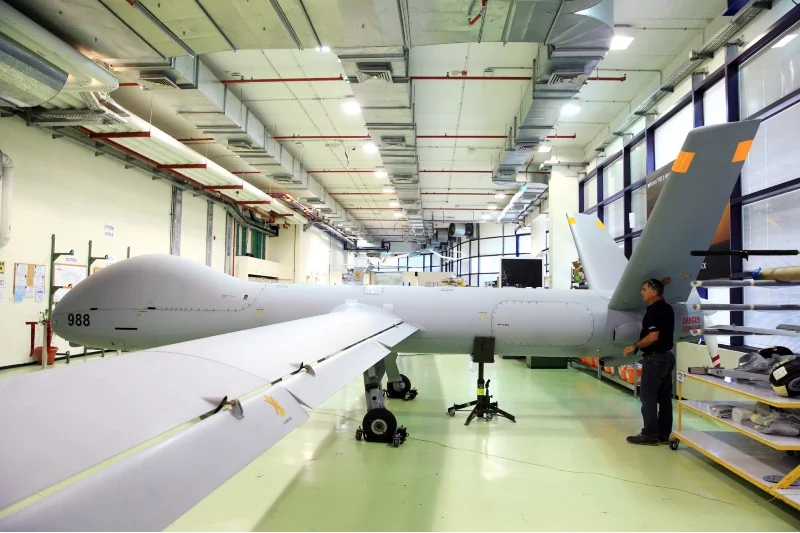
The group’s limited ability to counter Morocco’s expanding use of drones presents an additional challenge. A March 2025 report by the International Crisis Group cited a Polisario security “official” who acknowledged that the group was unable to effectively counter Morocco’s substantial advantage in drone capabilities.



add your comment
Terms of publication : Not to offend the writer, people, sacred things, or attack religions or the divine self, and refrain from racist incitement and insults.