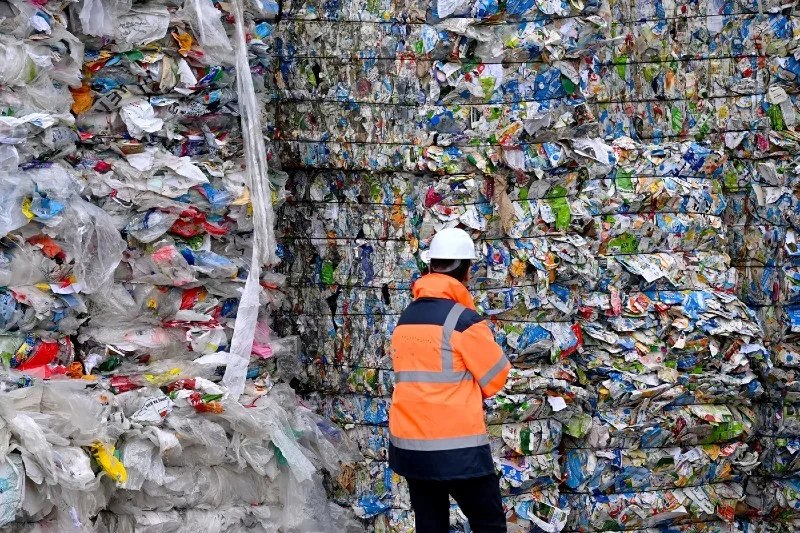
Morocco’s imports of waste and recyclable materials from Europe rose by 50.1% in the first nine months of 2026, reaching 760,040 tons, according to European trade data.
The increase comes months before new European Union rules restricting waste exports to non-OECD countries are due to take effect, raising questions about the future supply of raw materials to Moroccan industries.
Data from Eurostat’s Comext database show that the value of these imports climbed to €247 million, up from €157.4 million during the same period in 2025.
The increase was largely driven by a 101% surge in iron and steel scrap imports, which reached 534,969 tons worth €166.2 million, accounting for around 70% of the total volume.
European waste shipments to Morocco increased throughout the year, from approximately 211,000 tons in the first quarter to 272,000 tons in the second and nearly 277,000 tons in the third.
France was the largest supplier, exporting 217,493 tons, followed by Spain with 184,792 tons and the Netherlands with 183,156 tons. Together, the three countries accounted for around 77% of total shipments.
Belgium also increased its exports by 87% to 80,516 tons, while German shipments reached 29,462 tons. Denmark recorded a sharp rise, from just 114 tons a year earlier to 24,501 tons. Poland’s exports, meanwhile, fell by 92% to 6,792 tons.
Iron and steel scrap drives increase
Iron and steel scrap accounted for most of the increase, with imports rising from 266,175 tons in the first nine months of 2025 to 534,969 tons during the same period this year. Their value climbed 114% to €166.2 million.
The Netherlands was the leading supplier, with 174,510 tons, ahead of France with 130,298 tons, Spain with 124,168 tons and Belgium with 49,663 tons.
Other imports included 105,268 tons of rubber waste, down 9.8%, with France supplying 82% of the total.
Morocco also imported around 56,400 tons of used textiles and textile waste. This included 29,353 tons of used clothing, down 11.6%, and 27,069 tons of textile scraps, up 96%. Spain was the main supplier of both categories.
Glass waste imports doubled to 26,035 tons, while imports of ash and industrial residues fell 46% to 27,246 tons.
Copper waste shipments dropped 12.7% to 5,527 tons, although their reported value rose to €53 million.
EU restrictions raise supply concerns
The increase comes ahead of new EU rules scheduled to take effect on May 21, 2027.
The regulations will restrict exports of non-hazardous waste to countries outside the Organisation for Economic Co-operation and Development (OECD), except those included on a list approved by the European Commission.
Online reports have suggested that Morocco could remain eligible to import certain waste categories, particularly used textiles and tires, but not metal waste at this stage. If confirmed, this could create supply challenges for Moroccan metal industries that rely heavily on European scrap.
Iron and steel scrap alone accounts for seven out of every 10 tons of waste imported from Europe, with shipments worth more than €166 million in the first nine months of 2026.
The sharp increase raises questions about whether Moroccan industries are securing additional supplies ahead of the new EU restrictions. However, the available trade data do not establish that companies are stockpiling materials in anticipation of the rules.







add your comment
Terms of publication : Not to offend the writer, people, sacred things, or attack religions or the divine self, and refrain from racist incitement and insults.