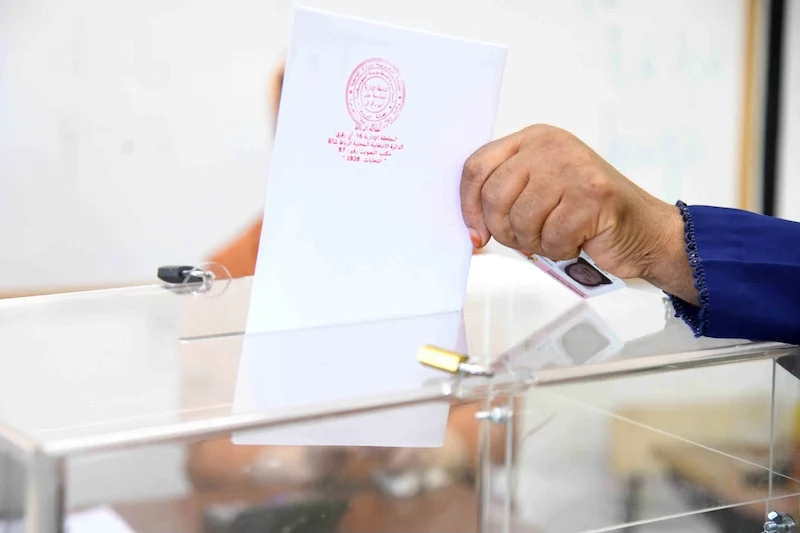
Morocco’s Constitutional Court has received 38 petitions challenging the results of the Sept. 23, 2026, parliamentary elections, with further cases expected before the legal deadline expires on Oct. 25, Hespress has learned from informed sources.
The court had received 38 challenges directly through its registry by noon Wednesday, including a petition filed by the Justice and Development Party (PJD) contesting the results in the Mediouna constituency in the Casablanca-Settat region, the sources said.
The pace of filings has accelerated in recent days following the resumption of lawyers’ professional activities after a suspension lasting more than four months. The return to work has enabled candidates and party list representatives to complete the legal procedures required to challenge the announced results.
The sources said lawyers’ return has helped speed up the preparation of petitions, with challengers gathering supporting documents and evidence for submission to the constitutional court. These materials include polling-station records, local and central counting records, and transcriptions of audio and video recordings that challengers believe may support their claims.
The number of cases is expected to rise in the coming days as the deadline for challenging the parliamentary election results approaches. The legal deadline is Oct. 25, according to the sources.
Article 32 of Organic Law No. 066.13 governing the Constitutional Court sets a 30-day period following the announcement of election results for filing challenges to the election of members of Parliament.
Under Article 33, the court must rule on challenges concerning parliamentary elections within one year from the end of the filing period. It may exceed that period through a reasoned decision if the number or nature of the cases requires additional time.
Article 34 allows petitions to be submitted to the Constitutional Court’s general secretariat, the wali of the region or governor of the prefecture or province where the election took place, or the head of the registry of the territorially competent first-instance court. A receipt must be issued documenting the filing date and listing the accompanying documents.
Officials who receive petitions outside the Constitutional Court must notify its general secretariat and forward the files. The date of submission to the authorized receiving body is used when registering petitions transmitted from elsewhere, in accordance with the law.
The same article requires the Constitutional Court to notify the speaker of the House of Representatives or the speaker of the House of Councillors, as applicable, of petitions it receives or is informed have been filed, as part of the procedure for handling disputes over parliamentary elections.









add your comment
Terms of publication : Not to offend the writer, people, sacred things, or attack religions or the divine self, and refrain from racist incitement and insults.