
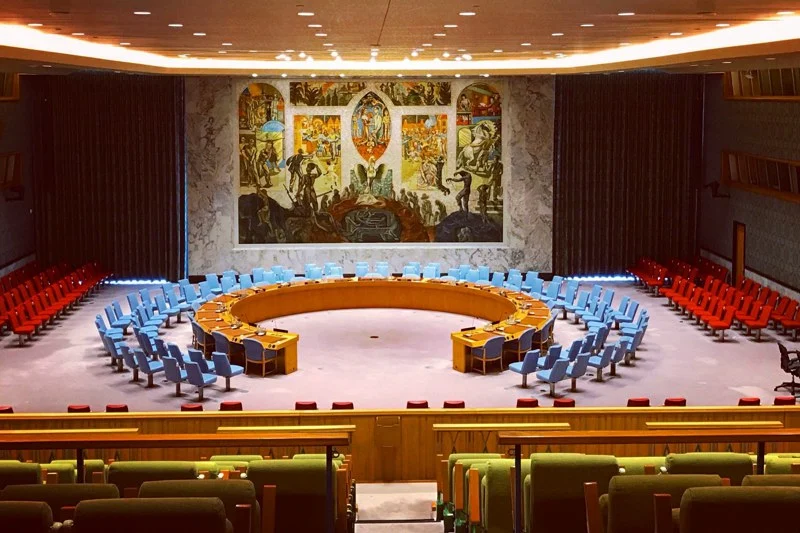
A new report by U.N. Secretary-General António Guterres details Morocco’s updated autonomy proposal for the Moroccan Sahara and describes how it has been used in recent rounds of U.N.-led negotiations.
According to the report, Morocco prepared a “draft statute of autonomy” that develops its 2007 autonomy initiative and shared the document in January 2026 with U.N. Personal Envoy Staffan de Mistura, the United States, Algeria, Mauritania and the Polisario Front.
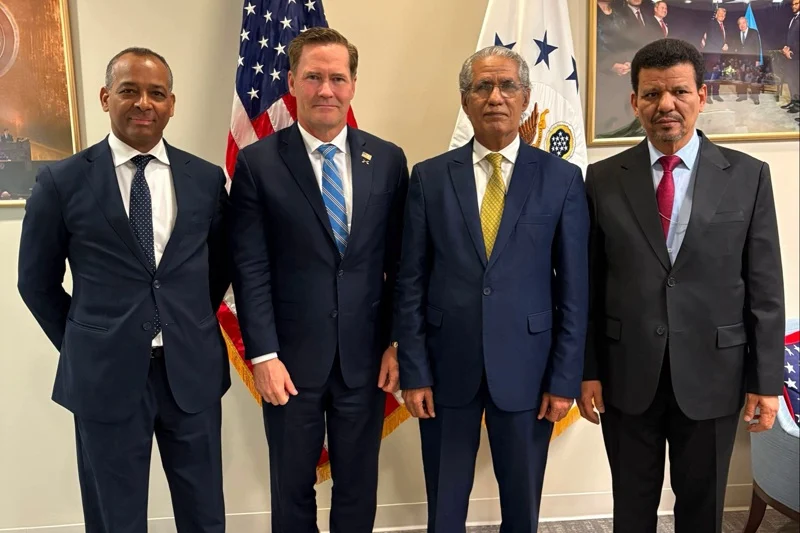
The document was presented as a basis for negotiations. During the first round of talks in Washington, participants used Morocco’s autonomy proposal as the basis for discussions, with Morocco presenting an expanded version of its 2007 initiative and responding to questions and comments from participants and the co-chairs.
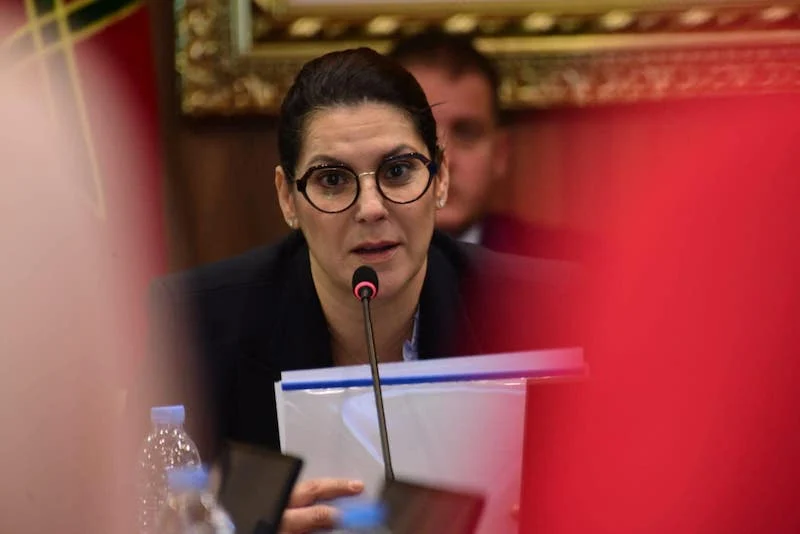
The report also says Morocco expressed readiness to work with the Polisario Front to negotiate and implement a mutually acceptable solution, with the parties taking ownership of the outcome.
Questions over autonomy
Subsequent discussions focused on what an autonomy arrangement could look like in practice.
During a third round of talks in Washington, participants discussed sovereignty and self-determination, which the report identifies as among the most contentious issues in the negotiations.
Because significant differences remained, the issues were also discussed separately with the parties in an effort to identify possible areas of agreement.
De Mistura set out criteria for a potential autonomy arrangement, saying any proposal should meet the “highest international standards.” He also said that genuine autonomy would require strong international guarantees.
The report adds that any eventual settlement should include meaningful consultation with the population of the Sahara in line with the principle of self-determination.
Talks examine a possible transition
The negotiations also examined arrangements that could be put in place during a transition toward a final settlement.
During a second round of talks in Madrid, participants discussed the possible creation of a transitional council that could oversee a range of transitional processes while providing a forum for negotiations on the details of a political settlement.
The discussions covered international guarantees, implementation mechanisms, resource sharing, amnesty and reconciliation, as well as disarmament, demobilization and reintegration, security arrangements and electoral systems.
At the participants’ request, U.N. and U.S. teams worked on an initial draft framework agreement for a possible transition and developed proposals aimed at narrowing differences on the issues under discussion.
Following further rounds of negotiations and consultations, De Mistura, working with Massad Boulos, adviser to U.S. President Donald Trump, prepared a revised version of the transition framework agreement.
A possible framework for detailed autonomy talks
The report describes a possible sequence in which the transition framework agreement, if adopted, could provide a basis for negotiations on a “detailed model of autonomy” for the Sahara.
It could also provide a framework for a meaningful consultation process with the territory’s population.
The report therefore places Morocco’s updated autonomy proposal within a broader negotiating process involving possible transitional arrangements, international guarantees, implementation mechanisms and further discussions over the details of an autonomy model.
The U.N. continues to frame the broader objective as reaching a “just, lasting and mutually acceptable political solution” that provides for the self-determination of the people of the Sahara.



add your comment
Terms of publication : Not to offend the writer, people, sacred things, or attack religions or the divine self, and refrain from racist incitement and insults.