Fitch Ratings has affirmed Morocco’s long-term issuer default rating at BB+ with a stable outlook, citing sound macroeconomic policies, adequate external liquidity buffers and strong support from official creditors.
The ratings agency expects Morocco’s central government budget deficit to widen to 4% of gross domestic product in 2026, from 3.5% in 2025, mainly as higher energy costs increase government spending.
Fitch said the impact of the Strait of Hormuz crisis has raised energy prices and increased the cost of butane subsidies. The government is also continuing to support transport operators and increase transfers to the national electricity and water utility, according to the agency.
Fitch expects the deficit to narrow to an average of 3.4% of GDP in 2027 and 2028 as energy prices normalize and temporary spending pressures ease.
The agency also expects Morocco to maintain elevated public investment as the country prepares to host the 2030 FIFA World Cup.
Capital spending is forecast to average 7.5% of GDP, with a significant share of infrastructure investment expected to be carried out through state-owned enterprises, public-private partnerships and other entities outside the central government budget.
Fitch warned that such projects could nevertheless create additional pressure on public finances if costs exceed initial estimates, government support increases or contingent liabilities ultimately fall on the government’s balance sheet.
Morocco’s central government debt is expected to remain around 67% of GDP in 2028, unchanged from 2025. Fitch noted that the level remains well above the 51% median for countries rated BB.
The agency expects economic growth to slow to 4% in 2026 from 4.9% in 2025, before averaging 4.2% in 2027 and 2028.
Higher energy and transport costs, along with weaker demand from Europe, are expected to weigh on growth. Fitch said improved rainfall and continued investment in infrastructure, industry and tourism should provide support.
Morocco’s external position remains supported by foreign exchange reserves, which stood at $48 billion at the end of 2025, according to Fitch.
The agency expects reserves to continue increasing. It also noted that the International Monetary Fund’s approval in April of a new two-year flexible credit line worth about $4.5 billion provides an additional buffer against external shocks.
Fitch identified weaker development and governance indicators, relatively high government debt and exposure to adverse weather conditions as key constraints on Morocco’s rating.
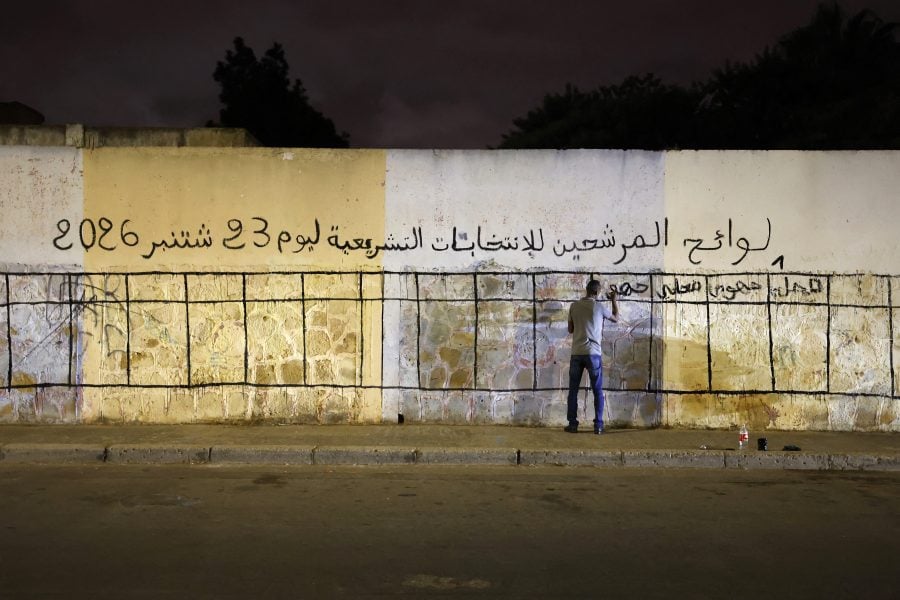
The agency also expects September’s legislative elections to have limited impact on the overall direction of economic policy. It projects that the next government will continue pursuing fiscal consolidation, although pressure to increase social spending could complicate efforts to contain public finances.





add your comment
Terms of publication : Not to offend the writer, people, sacred things, or attack religions or the divine self, and refrain from racist incitement and insults.