
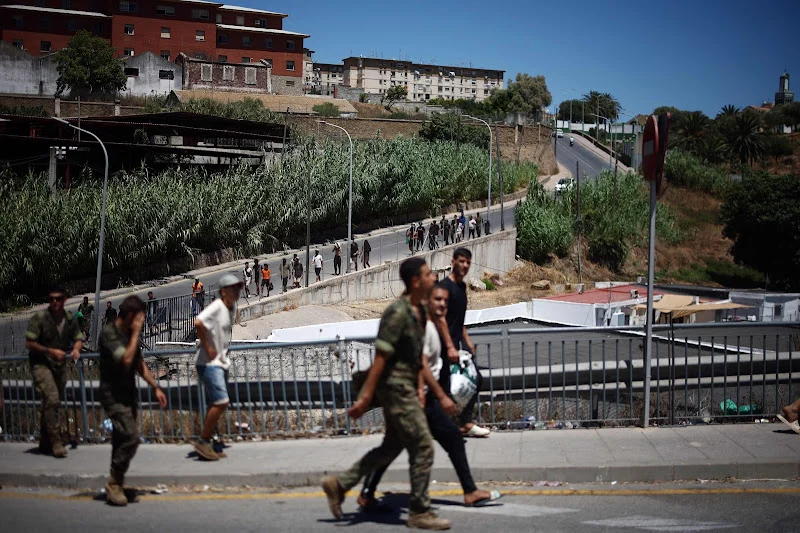
Meta and TikTok have agreed with the European Union to strengthen fact-checking of social media content linked to attempts to cross the border into Spain following a mass migration surge in Ceuta in late July, European Commission Executive Vice President Henna Virkkunen said.
The measures are aimed at preventing criminal networks from luring potential migrants into attempting dangerous crossings by spreading false or misleading information, Virkkunen said Monday in a post on X.
According to Reuters, Virkkunen said Meta and TikTok had agreed to establish a dedicated “escalation and cooperation mechanism” with fact-checkers as part of crisis-response protocols.
The European Commission and Europol, the European Union’s law enforcement agency, are also holding daily discussions with the two companies about the situation, she said.
Virkkunen also spoke with Spanish Digital Economy Minister Oscar López about measures to prevent further border-crossing attempts and avoid additional loss of life.
The EU’s move follows growing scrutiny of social media activity surrounding calls for migrants to enter Ceuta, a Spanish-administered city on Morocco’s northern coast.
Spanish newspaper La Razon previously reported that Brussels had opened an inquiry into the role of Facebook and TikTok in the spread of content linked to calls to storm the border.
The Danish news agency Ritzau also reported that the EU had urged Meta and TikTok to take measures to limit the spread of false information during crisis situations.
Morocco warns of online misinformation
Moroccan authorities have also linked recent attempts to reach Ceuta and Melilla to activity on social media.
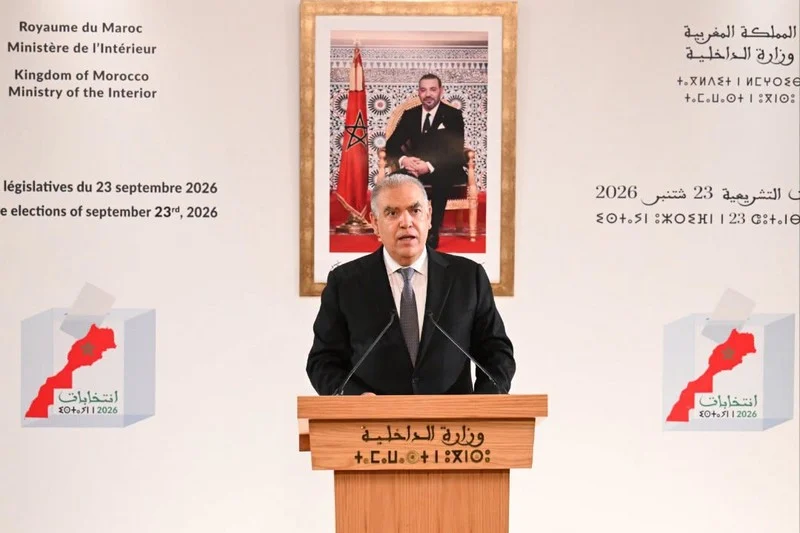
A Moroccan Interior Ministry spokesman previously said the events around crossing points leading to the two cities were not the result of spontaneous or temporary circumstances, but of several overlapping factors.
These included the exploitation of social media, the spread of misleading information, the activities of human trafficking networks and what Moroccan authorities described as misinterpretations of certain legal and administrative provisions that created the impression that entering European territory could be relatively easy and carry few legal consequences.
The spokesman also pointed to the geography of the border area as a factor that could contribute to migrants underestimating the risks.
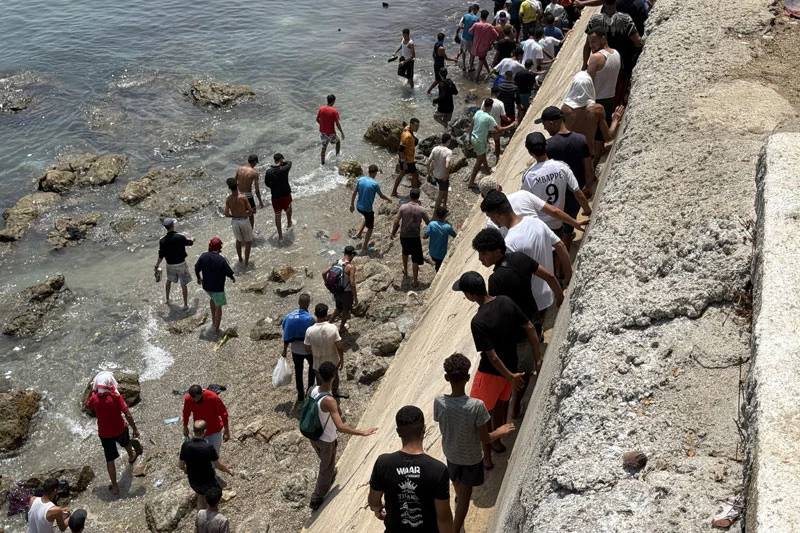
In some locations, the distance between the Moroccan coast and Ceuta is less than 70 meters, while water depth in certain areas is only slightly more than 2 meters, according to the Moroccan authorities.
Those conditions may have created a misleading perception among some would-be migrants that the crossing was relatively easy, leading some to underestimate the dangers involved.
Some attempted crossings subsequently ended in fatalities, Moroccan authorities said.
The new cooperation between the EU, Meta and TikTok reflects growing concern that misinformation and organized online activity can contribute to dangerous migration attempts, particularly during periods of heightened tensions along the EU’s external borders.




add your comment
Terms of publication : Not to offend the writer, people, sacred things, or attack religions or the divine self, and refrain from racist incitement and insults.