
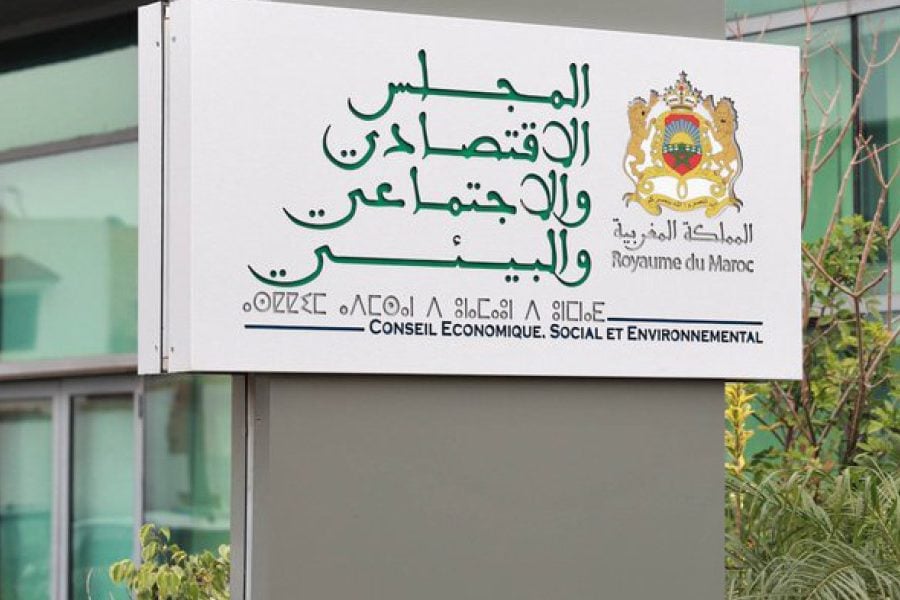
Morocco remains heavily dependent on imports for strategic commodities, particularly fuel and cereals, exposing the country to global supply disruptions and price volatility, according to the Economic, Social and Environmental Council (CESE).
In its 2025 annual report, submitted to King Mohammed VI, the council warned that geopolitical tensions, supply chain disruptions and fluctuations in international commodity prices continue to reinforce Morocco’s dependence on external markets, with direct consequences for the national economy and household purchasing power.
CESE said building and effectively managing strategic reserves is essential to improving the country’s resilience and ensuring the continuity of supplies during periods of international instability.
While Morocco has strategic stockpile mechanisms for key commodities, notably fuel and cereals, the council said these systems continue to suffer from structural weaknesses that limit their effectiveness.
The report identified several shortcomings, including an outdated legal framework, weak compliance with mandatory stockpile requirements—particularly for petroleum products—limited oversight mechanisms, insufficiently deterrent penalties, inadequate storage and port handling capacity, and ineffective measures to cushion international price fluctuations and protect consumers’ purchasing power.
Fuel reserves
Regarding petroleum products, CESE called for an overhaul of the legal framework governing strategic fuel reserves to establish a comprehensive system defining reserve targets, financing mechanisms, mobilization procedures, oversight responsibilities and the respective roles of the state and private operators.
The council also recommended launching a national review aimed at creating an integrated institutional framework for managing strategic reserves. It proposed a hybrid model combining publicly owned storage facilities—either directly managed by the state or by a specialized agency—with mandatory stockpiles maintained by private companies.
In addition, CESE urged authorities to institutionalize regular and independent evaluations of the effectiveness of strategic reserves, particularly their impact on purchasing power and fuel affordability.
The council also suggested examining the feasibility of allocating part of the profit margins generated by fuel operators to expanding storage capacity, alongside stronger monitoring mechanisms and more effective sanctions for non-compliance.
Grain imports
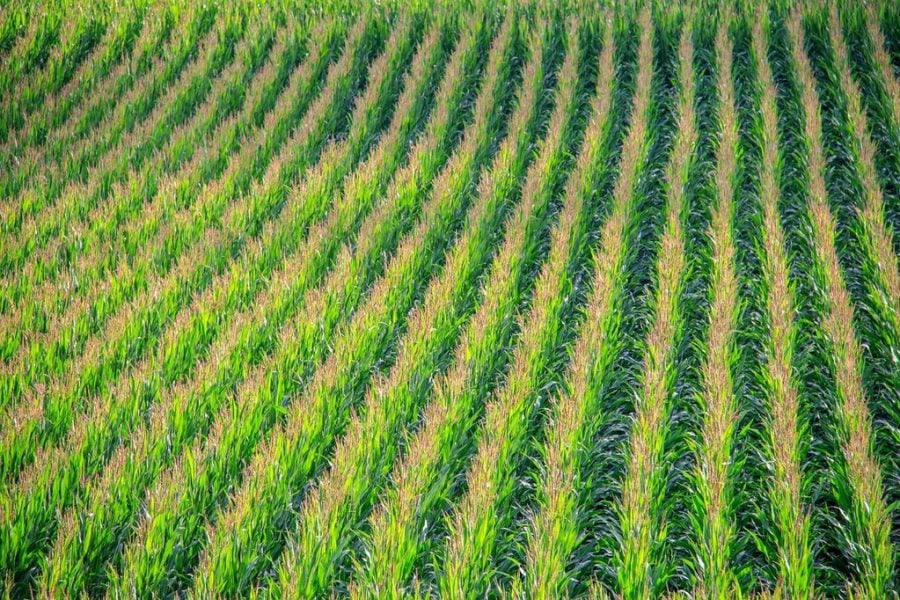
On cereals, CESE recommended strengthening governance and oversight by enhancing the operational capacity of the National Interprofessional Office for Cereals and Pulses (ONICL) in monitoring supplies, managing procurement and renewing strategic stocks.
The report also called for replacing the current declaration-based monitoring system with a more robust inspection regime, supported by regular audits, improved traceability and stronger enforcement measures.
To enhance food security, the council recommended expanding storage capacity through a hybrid system combining strategic public facilities managed by ONICL with private-sector storage infrastructure while ensuring balanced geographic distribution across the country.
It also urged Morocco to diversify its sources of grain imports and adopt a storage strategy that takes advantage of periods of lower international prices to build reserves capable of mitigating future market shocks.
Energy transition challenges
The report also assessed Morocco’s energy transition, noting that petroleum products remain the backbone of the country’s energy mix despite ongoing investments in renewable energy.
According to CESE, petroleum products accounted for 51% of Morocco’s energy mix in 2025, with total consumption reaching approximately 12.8 million metric tons, of which diesel represented 73%.
The council projects fuel consumption will increase by 16% by 2030, warning that Morocco’s vulnerability has grown since the closure of the SAMIR refinery in 2015, leaving the country entirely dependent on imported refined petroleum products.
As a result, Morocco has become more exposed to disruptions in global supply chains and fluctuations in international energy prices.
The council also stressed that the success of Morocco’s energy transition will depend on the electricity system’s ability to integrate a greater share of renewable energy.
Renewable sources accounted for just 27.6% of national electricity generation in 2025, a figure CESE attributed to the intermittent nature of solar and wind power, as well as the need to expand energy storage capacity, improve grid flexibility and accelerate the electrification of various sectors.





add your comment
Terms of publication : Not to offend the writer, people, sacred things, or attack religions or the divine self, and refrain from racist incitement and insults.