
Italian authorities on Friday began the autopsy of Moroccan migrant Abdelrahim Faqir, with preliminary findings from a CT scan reportedly indicating that he may have died from asphyxiation after pressure on his chest caused blood to accumulate in his lungs.
According to Italian media, the computerized tomography (CT) scan carried out on Thursday revealed damage to Faqir’s airways, which investigators believe may have resulted from him being held face down with pressure applied to his chest for about five minutes during his arrest.
Italian daily Il Messaggero reported that the sustained pressure may have caused bleeding in Faqir’s lungs, a factor that could have contributed to his death.
Gabrielli Bordoni, the lawyer representing the police officers involved in the case, said investigators were awaiting the conclusions of forensic specialists.
“We are waiting for qualified experts to provide the answers,” Bordoni told reporters outside the prosecutor’s office before the autopsy at Bologna’s Sant’Orsola Hospital. “The CT scan was carried out yesterday, and its findings are now being evaluated by forensic pathologists.”
The latest developments come as scrutiny of the case continues to intensify in Italy.
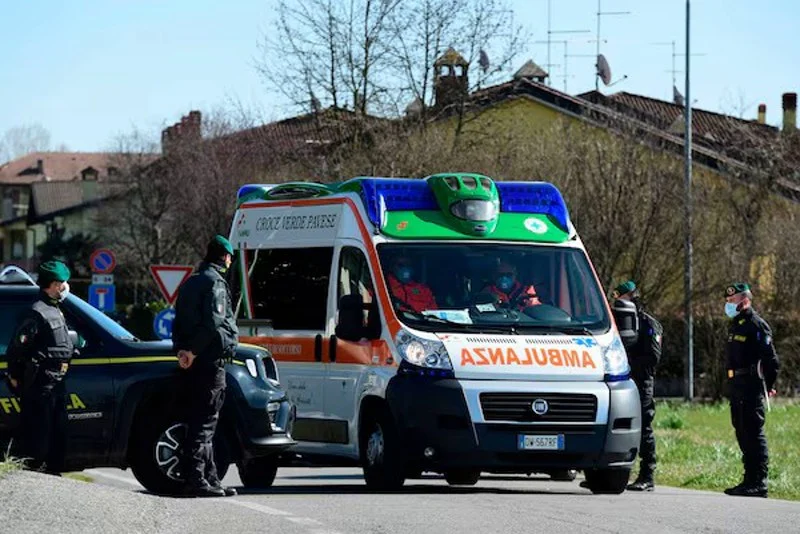
Earlier this week, broadcaster La7 released new footage showing emergency responders performing cardiopulmonary resuscitation (CPR) on Faqir while his hands and feet remained restrained after police officers had moved off his body. The broadcaster described the scene as “unacceptable.”
The footage has added to the ongoing debate over police body-camera recordings. Italian media reported that one of the officers activated his body camera at the start of the intervention and later handed the full recording to prosecutors as part of the investigation.
Additional videos published by Italian outlets show Faqir before police intervened, appearing disoriented and displaying behavior authorities described as signs of psychological distress.
Police have said officers restrained Faqir after he allegedly attempted to attack two people who were parking their vehicle.
The case has also prompted a diplomatic response from Morocco.
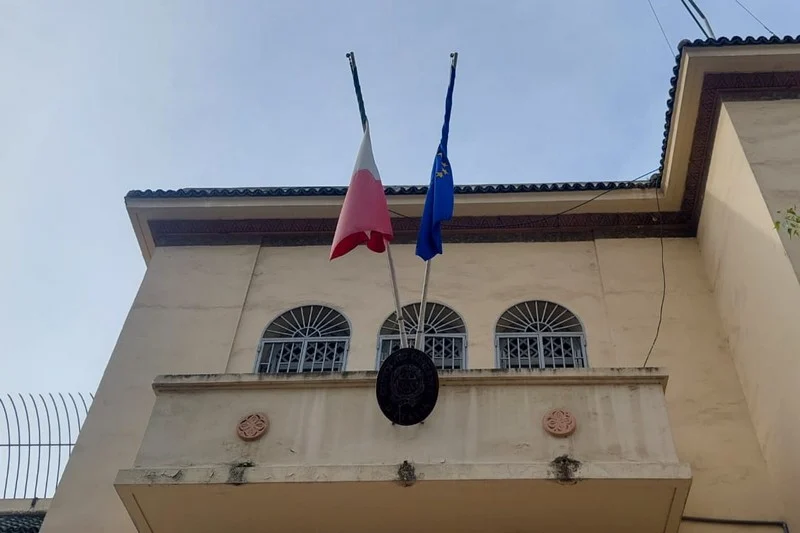
Morocco’s Consul General in Bologna, Khadija Ndour, visited Faqir’s family on instructions from Foreign Minister Nasser Bourita, according to a statement from the Moroccan authorities.
During the visit, Ndour offered condolences to the family and said Morocco’s diplomatic and consular services remain fully mobilized to monitor the case and provide administrative and consular assistance as the Italian judicial investigation continues.







add your comment
Terms of publication : Not to offend the writer, people, sacred things, or attack religions or the divine self, and refrain from racist incitement and insults.