
Morocco’s ombudsman has criticised public institutions for treating communication with citizens as an afterthought rather than a core public service, warning that weak engagement can deepen tensions between the administration and the public.
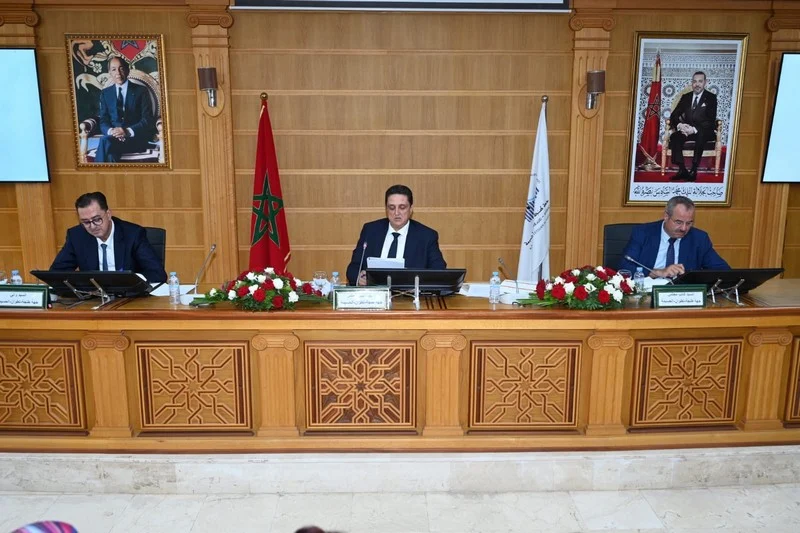
Speaking on Thursday at the presentation of the Ombudsman’s 2025 annual report, Ombudsman Hassan Tariq said some public officials still regard communication as “a luxury” instead of an institutional obligation and an essential tool for implementing public policy.
He warned that failures in institutional communication risk turning administrative disputes into broader social tensions, citing findings from the institution’s public service governance forums, which most recently examined Morocco’s public health system.
“The problem of communication within the administration is real,” Tariq said, adding that while part of the issue stems from structural shortcomings, public officials also bear responsibility for improving dialogue with citizens and professional groups.
The ombudsman’s office said it had consulted dozens of medical professionals, health-sector organisations and civil society representatives through the forums as part of its efforts to improve relations between public institutions and service users.
Complaints surge
The institution also released new figures showing a sharp rise in complaints submitted by citizens during 2025.
It received 9,958 files last year, a 25% increase from 2024 and the largest annual rise since the institution was established.
Tariq said the increase reflected growing public confidence in the ombudsman’s office rather than deteriorating public services, arguing that citizens have become more aware of the institution’s role in protecting administrative rights.
Of the total complaints received, 6,770 fell within the ombudsman’s legal mandate, while cases outside its jurisdiction were redirected to the relevant authorities through what the institution described as “guidance mediation.”
Administrative response remains challenge
Tariq said securing responses from public administrations remains the institution’s biggest challenge, particularly in ensuring settlements are implemented promptly and government bodies provide timely replies.
He said the effectiveness of mediation ultimately depends not only on the ombudsman’s work but also on the willingness of ministries and public institutions to engage with recommendations and resolve complaints.
The annual report combines statistical indicators with an assessment of complaint trends, institutional responses and the performance of public administrations as part of the ombudsman’s 2020-2030 strategic plan, the institution said.








add your comment
Terms of publication : Not to offend the writer, people, sacred things, or attack religions or the divine self, and refrain from racist incitement and insults.