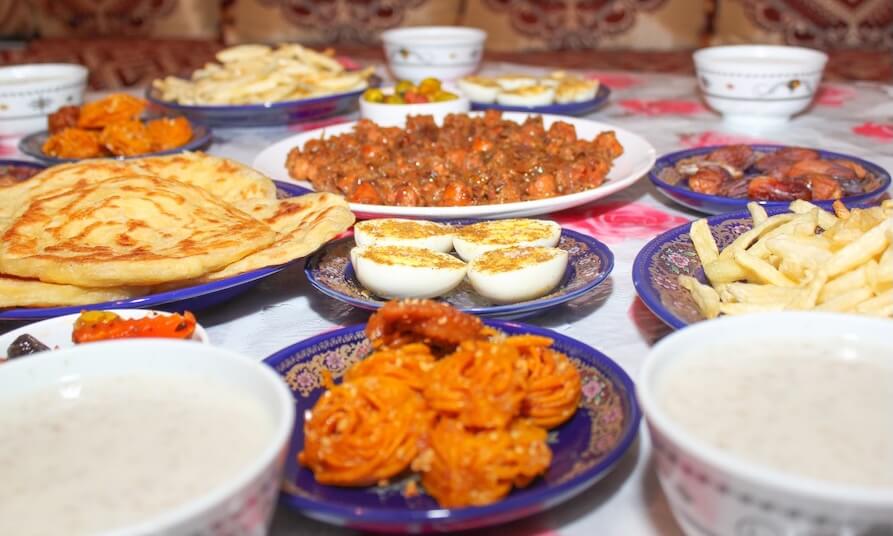
For decades, Moroccan health-conscious and medical professionals faced a hurdle tackling diabetes, weight management, and children’s diets, because they had to read Moroccan plates through a foreign lens. Counting calories and tracking nutrients meant they had to rely on French or American databases that miscalculated traditional foods most of the time.
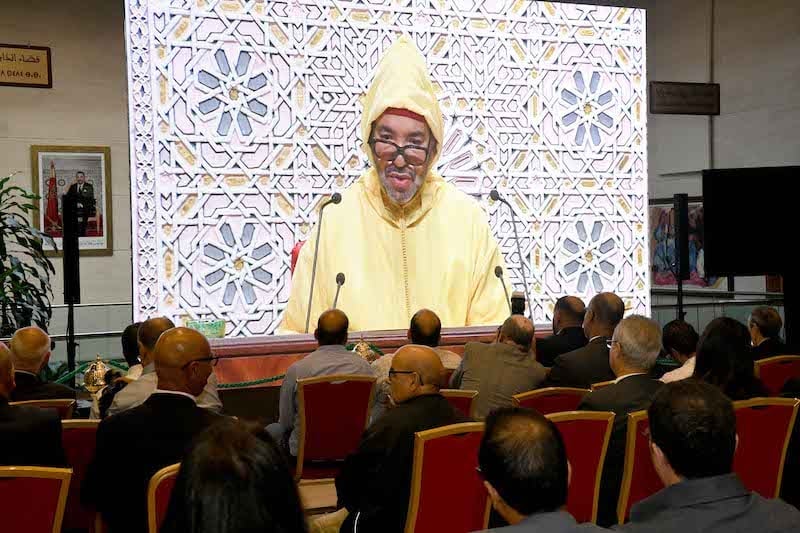
A new initiative has changed the landscape. On June 30, 2026, Morocco’s High Commission for Planning (HCP) and the UN Food and Agriculture Organization (FAO) officially launched the Table Marocaine de Composition des Aliments (TMCA). The new national benchmark maps the exact nutritional DNA of what Moroccans consume.
The new database expands Morocco’s food tracking from an old list of 388 items to 1,001 distinct foods. It monitors 43 nutritional components per item, including calories, proteins, fats, vitamins, and minerals.
For the first time, traditional Moroccan dishes are explicitly cataloged. More than 50 complex national recipes are mapped to provide exact caloric counts per 100 grams:
- Couscous (seven vegetables): 101,5 kcal
- Harira: 55,4 kcal
- Rfissa: 235,7 kcal
- Sweet Moroccan Mint Tea: 36 kcal
- Zaalouk: 185,7 kcal
This update gives local doctors a major practical tool. Instead of using foreign data on Moroccan food, they can now give patients precise, culturally accurate dietary advice using standardized local metrics.
The database gains its scientific legitimacy through a direct partnership with the FAO, using global FAO/INFOODS standards to ensure the data meets international research criteria.
However, global frameworks often overlook the unique realities of Moroccan kitchens. Standard international metrics assume strict portion control and isolated ingredients, failing to account for communal dining habits like sharing a single plate or adding unmeasured amounts of sugar and cooking oil.
To bridge this gap, the HCP collaborated with national expert panels to establish baseline recipes that accurately reflect the actual Moroccan cooking habits.
While middle-class urbanites use this data to track sugar and weight, the table arrives during economic tensions. To monitor these shifts, the HCP integrated the database into its National Household Living Standards Survey (ENNVM 2025-2026).
For lower-income and rural households hit hard by food inflation, tracking nutrition is an unavailable luxury, their priority is simply filling out the plate.
The HCP and FAO emphasize that this is a public tool for living. By turning food quantities into hard nutritional data, it allows policymakers to objectively identify regional nutritional gaps, hidden malnutrition, and shifting health risks across the Kingdom.






add your comment
Terms of publication : Not to offend the writer, people, sacred things, or attack religions or the divine self, and refrain from racist incitement and insults.