
Morocco remained the largest African importer of Turkish products during the first half of 2026, as Turkey’s exports to the continent rose by 12% year-on-year to $11 billion, according to data released by the Turkish Exporters Assembly (TIM).
Turkish exports to Morocco reached $2.2 billion between January and June, placing the kingdom ahead of Egypt, Libya, Algeria and Tunisia among Africa’s top destinations for Turkish goods.
According to Turkey’s state-run Anadolu Agency, Ankara has made trade diplomacy a cornerstone of its foreign economic policy in recent years, seeking to strengthen its commercial ties with African countries through a multidimensional strategy.
Turkey’s Ministry of Trade has pursued its “Strategy for Developing Trade and Economic Relations with African Countries” since 2003, aiming to boost mutual investment, expand the role of Turkish companies in sectors including construction, energy, healthcare, agriculture and infrastructure, and deepen cooperation between Turkish and African business communities.
Moroccan imports continue to rise
Separate figures released by TIM in April showed that Turkish exports to Morocco grew by 15.8% during the first quarter of 2026, surpassing $1.02 billion.
Chemical products accounted for the largest share of Turkish exports, worth more than $312 million, followed by automotive products, textiles, furniture and other manufactured goods.
Morocco and Turkey signed a free trade agreement in 2004 to strengthen economic ties. However, the rapid growth of Moroccan imports from Turkey has widened the kingdom’s trade deficit, prompting Rabat to revise the agreement in recent years.
Morocco has already imposed tariffs of up to 90% on Turkish textile and ready-made clothing imports, amid renewed calls from domestic manufacturers for additional duties or import quotas to protect local industries.
Textile industry calls for further protection
Anas Al Ansari, president of the Moroccan Association of Textile and Apparel Industries (AMITH), said the sector continues to face significant challenges stemming from the trade agreement.
“We have raised the issue with the minister of industry and trade and the secretary of state for foreign trade, and we also held high-level discussions in Turkey,” Al Ansari told Hespress. “Unfortunately, no concrete measures have emerged.”
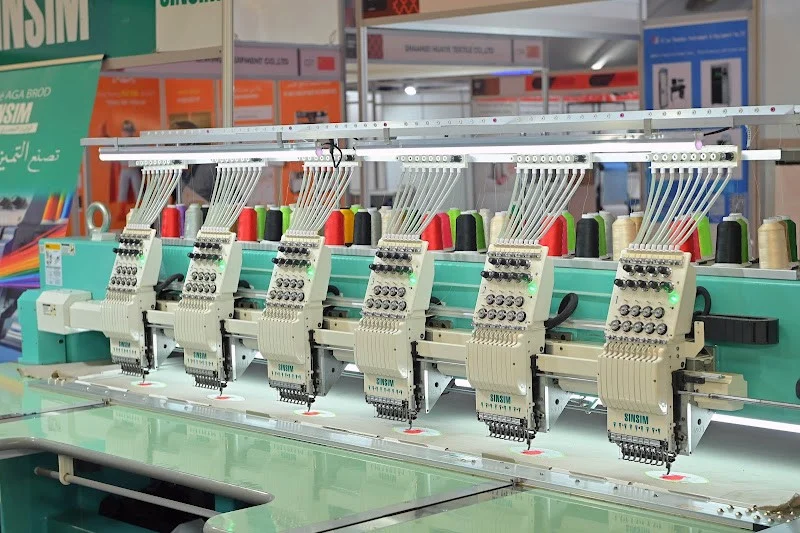
He argued that Morocco’s textile sector cannot compete with Turkey’s highly integrated manufacturing ecosystem, which encompasses fabric production, accessories and all stages of garment manufacturing.
“Morocco’s capabilities remain largely limited to sewing, while finished Turkish products continue to enter the local market under the free trade agreement,” he said.
Al Ansari described the issue as ultimately political, saying the role of industry representatives is to inform policymakers, who must decide how to protect domestic production.
“Tariffs exist to regulate and protect markets,” he said. “If a country has a local industry, it must shield it. Keeping the market completely open harms producers, discourages investment and limits job creation.”
He called for a comprehensive review of the agreement and proposed restricting Turkish imports to fabrics and raw materials that Moroccan manufacturers could use to produce garments for export to Europe and the United States.
“Allowing finished products manufactured entirely in Turkey into Morocco poses a serious threat to the future of the Moroccan industry,” he added.
Trade imbalance remains a concern
In an interview with Anadolu Agency in February, Morocco’s ambassador to Turkey, Mohamed Ali Lazraq, acknowledged the growing trade imbalance between the two countries.
While bilateral trade exceeded $5 billion for the first time since the free trade agreement entered into force, Lazraq said the figures reflected both the attractiveness of Turkish products and “an imbalance that harms Morocco.”
He added that Rabat and Ankara were exploring new mechanisms to reinvigorate economic ties while creating a healthier balance in bilateral trade.






add your comment
Terms of publication : Not to offend the writer, people, sacred things, or attack religions or the divine self, and refrain from racist incitement and insults.