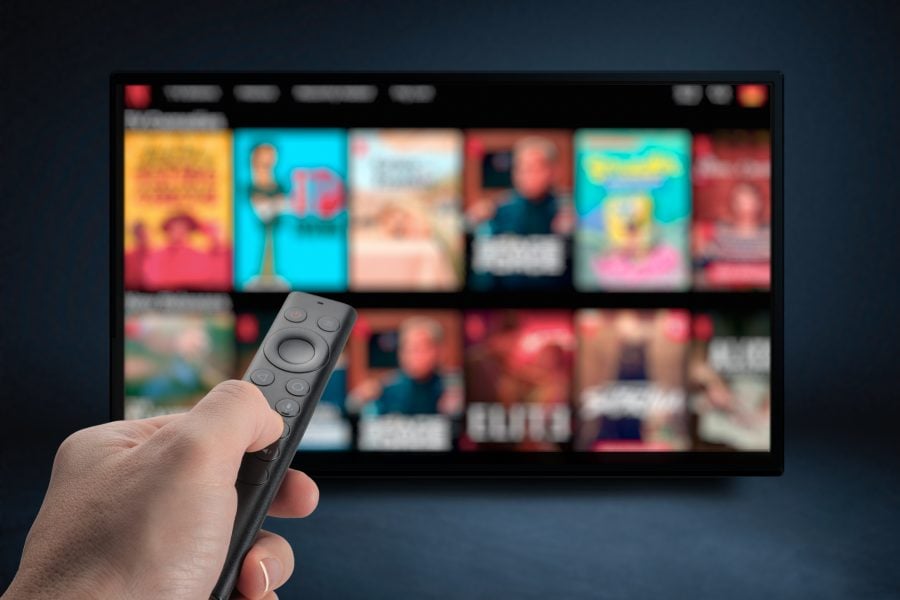
Morocco has officially begun enforcing a new tax system for digital services, bringing global technology companies such as Meta, TikTok, Netflix and YouTube under the country’s value-added tax (VAT) rules, a source at Morocco’s General Directorate of Taxes (DGI) told Hespres AR.
The move, which has been years in the making, targets foreign companies that provide digital services to customers in Morocco without having a physical presence in the country.
The rollout is part of a broader effort to adapt Morocco’s tax system to the rapidly growing digital economy.
The tax system has been in force since June 11, 2026, following the launch of a dedicated online platform called “Taxation on Digital Services” through the DGI’s electronic portal.
Under the new rules, any nonresident company that does not have an establishment in Morocco but sells digital services remotely to customers in the kingdom who are not subject to VAT must register with the tax authorities.
The requirement covers many of the world’s largest digital platforms, including social media, streaming and online content services operating legally in Morocco.
To comply with the new framework, companies must first register on the platform and obtain a Moroccan tax identification number.
They are also required to submit quarterly declarations reporting the revenue generated from digital services provided in Morocco. These declarations must be filed before the end of the first month following each quarter.
Companies must pay the VAT due on those services through the online system.
Digital service providers will also have to keep detailed records of electronic sales made in Morocco and provide those records to the General Directorate of Taxes if requested.
The tax authority has published a user guide explaining how to use the platform and complete the required procedures, and created a dedicated support email ([email protected]) to answer questions from companies registering under the new system.
The measure is based on Article 115 bis of Morocco’s General Tax Code, as well as implementing provisions introduced through a government decree adopted in late 2025 and published in the Official Gazette.
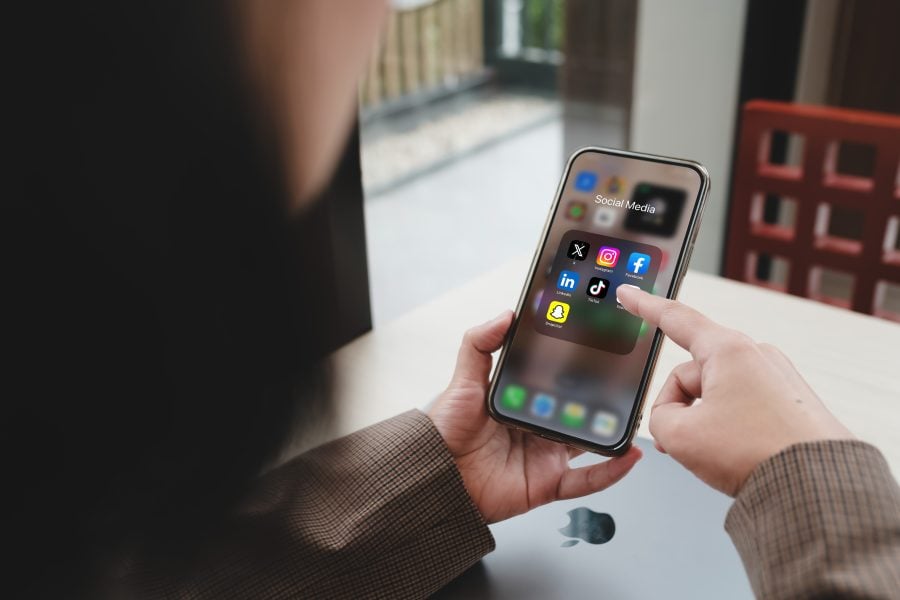
For Moroccan consumers, the new system does not immediately change how services such as Facebook, Instagram, TikTok, YouTube or Netflix operate.







add your comment
Terms of publication : Not to offend the writer, people, sacred things, or attack religions or the divine self, and refrain from racist incitement and insults.