
Morocco, Europe’s single most important wheat customer, is expected to sharply reduce its imports in the 2026/27 season after a significant domestic harvest recovery, leaving EU exporters facing a market gap they have few alternatives to fill, traders and analysts told Reuters.
The US government forecasts Morocco’s total wheat imports will fall by nearly half in 2026/27, which begins in July. Morocco has already suspended soft wheat imports for June and July while its harvest comes in.
The reduction follows years of severe drought that had made Morocco structurally dependent on foreign grain and pushed its import volumes to levels that made it a decisive buyer in European export calculations.
For France, the exposure is acute as it continues to be locked out of the Algerian market by ongoing diplomatic tensions, faces flat demand from China, and has seen Romania overtake it as the EU’s largest wheat exporter over the past two years.
French wheat sales have increasingly relied on lower-priced feed wheat shipments within the EU rather than competitive export volumes. “It’s difficult to see which Western EU markets we can sell wheat to in large volumes while competing with the Black Sea,” a German trader told Reuters.
Russia and Ukraine are both heading into 2026/27 with abundant harvests, allowing them to undercut EU prices across North Africa and the Middle East. Several major importer, Turkey, Syria, are also forecast to produce significantly more domestically, further contracting available demand for European grain.
“It doesn’t look like it’s going to be an easy year for EU exporters, especially if Black Sea wheat continues to be aggressive in terms of price,” said Donatas Jankauskas, grain analyst at CM Navigator.
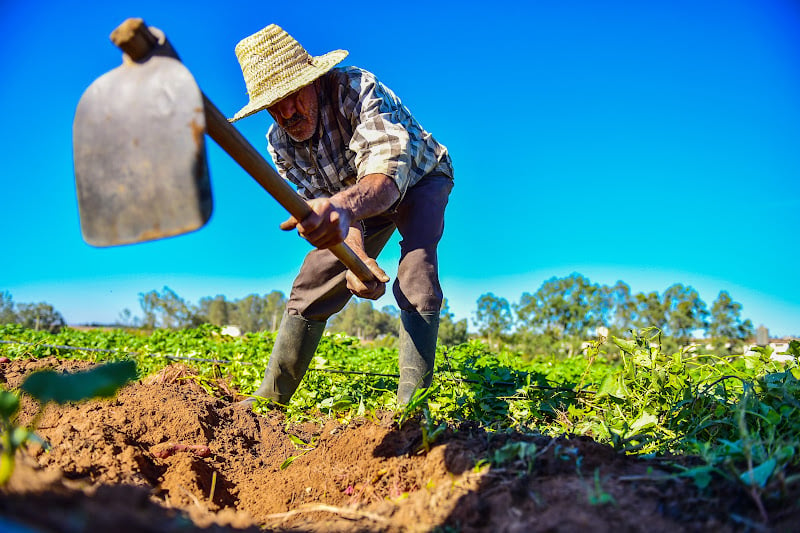
In Morocco, annual cereal production has swung between roughly 32 million quintals in drought years and over 100 million quintals in strong seasons, making import volumes unpredictable from year to year.
The government has managed this volatility through the Caisse de Compensation subsidy system, which keeps bread prices regulated regardless of import cost, a structural commitment that ties public finances directly to global grain prices. A strong harvest reduces that pressure.
EU exporters are expected to redirect focus toward West Africa. Morocco and West Africa, one German trader said, remain “our main hopes” for volume.





add your comment
Terms of publication : Not to offend the writer, people, sacred things, or attack religions or the divine self, and refrain from racist incitement and insults.