
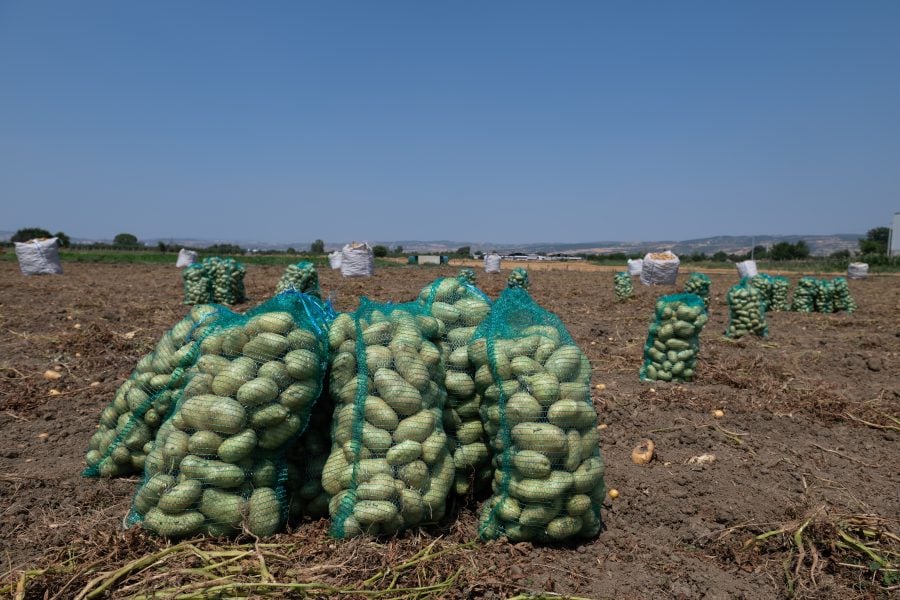
Morocco’s 2026 agricultural season is in full swing across the kingdom, with official forecasts projecting cereal production exceeding 90 million quintals, a figure that would end four consecutive years of deficit.
The bumper crop is largely attributed to significant rainfall recorded this season. But despite the promising yields, the harvest is running into a series of on-the-ground obstacles that are complicating operations.
Agricultural chambers have received complaints from farmers about a shortage of harvesting machinery and a scarcity of qualified agricultural labour. Both problems have slowed progress in multiple provinces.
Compounding the situation, a series of fires broke out in the Chaouia region coinciding with Eid Al-Adha, destroying hundreds of hectares of crops. Additional fires were also recorded in provinces of the Gharb region.
The National Office for Agricultural Advisory Services is conducting field visits, collecting crop samples and sending them to the grain technology laboratory of the National Professional Office for Cereals and Legumes (ONICL) for quality assessment.
Abdel Ali Damri, vice-president of the Agricultural Chamber for the Fès-Meknès region, told Hespress Arabic that the season is ongoing across the region’s provinces, but has been marked by rising labour costs and limited machinery availability.
“We raised the machinery shortage issue at a previous meeting of the chamber’s bureau, and alerted both the ministries of agriculture and interior,” Damri said to Hespress Arabic. He added that some equipment has since begun reaching provinces where the harvest has been moving slowly.
On the labour front, Damri described the shortage as a national-level problem requiring a medium- or long-term strategy. Since the season began, the chamber has received dozens of complaints from farmers, focused almost entirely on those two issues, he said.
Harvesting costs have risen to between 550 and 700 dirhams per hectare, and sometimes more, driven by rising diesel prices and difficult terrain in some areas, according to Damri. Baling costs range from 4 to 6 dirhams per bale, subject to supply and demand and local topography.
The Ministry of Agriculture has put in place a series of measures to support the national harvest. Chief among them is a directive to mill operators to purchase domestically produced soft wheat at 280 dirhams per quintal, aimed at building a strategic stockpile to cover domestic demand.






add your comment
Terms of publication : Not to offend the writer, people, sacred things, or attack religions or the divine self, and refrain from racist incitement and insults.