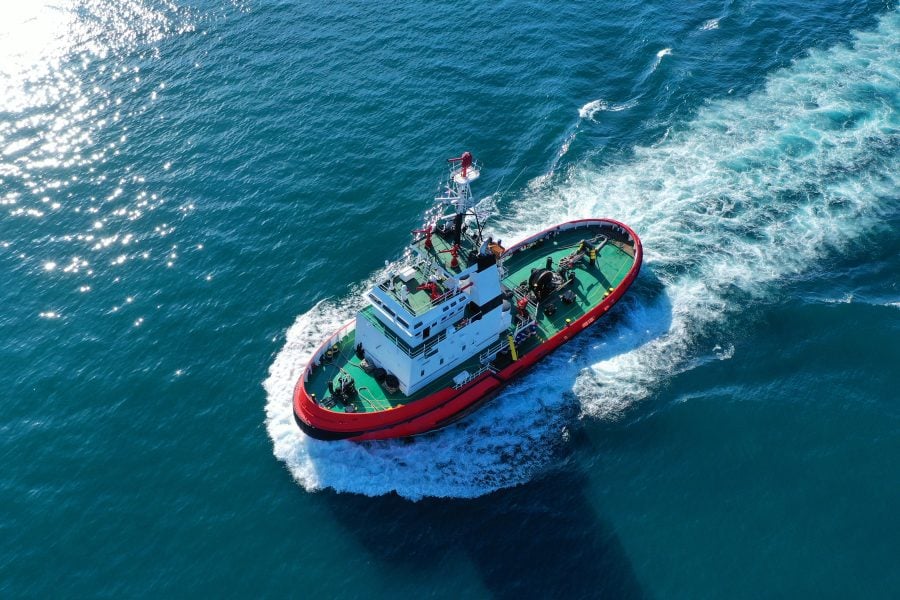
Morocco’s ambition to position itself as a key logistics bridge between Africa and Europe is facing growing political and economic risks, according to a political risk report published by the University of Navarra.
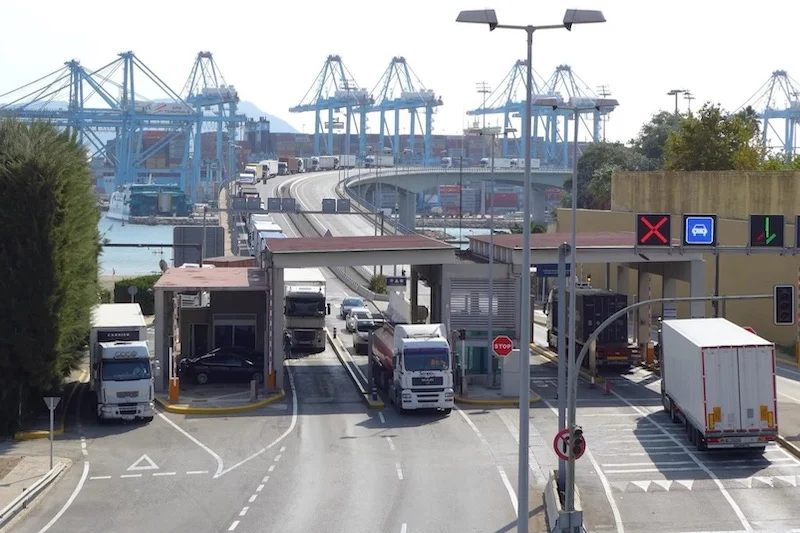
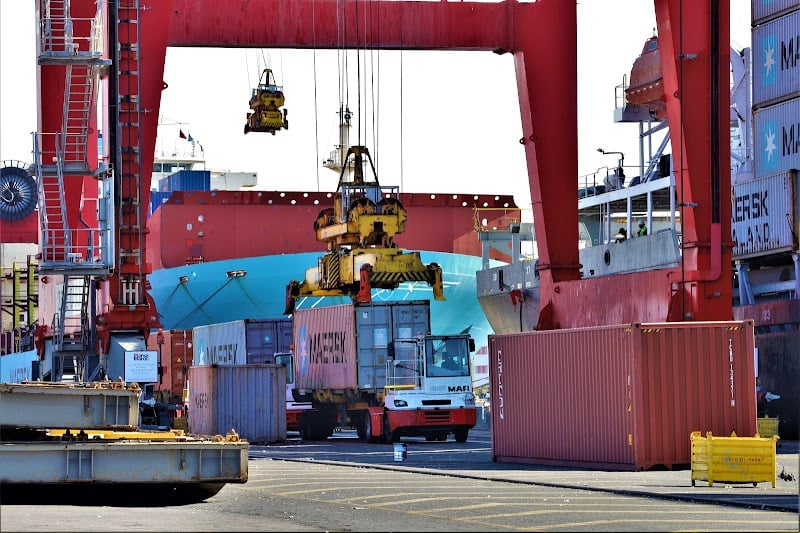
The report says Morocco’s long-term strategy, built around major port and infrastructure projects such as Tanger Med, Nador West Med, and new Atlantic-facing developments, has strengthened the country’s role in global trade routes.
However, it warns that delays, financing pressures, and political uncertainty could slow that momentum at a time of intensifying regional competition.
At the core of Morocco’s strategy is its aim to become a gateway linking African markets with Europe through modern ports, fast maritime routes, and expanding industrial zones. Trade with the European Union remains central to this model, with Europe absorbing the majority of Moroccan exports.
Despite this progress, the report highlights a widening gap between ambition and execution. Several large-scale infrastructure projects have faced delays or funding challenges, raising concerns over delivery timelines and coordination.
It also cites uncertainty surrounding some energy-related infrastructure investments as a sign of broader planning and execution constraints.
On the political front, the report points to risks linked to Morocco’s governance model, describing a system of “managed stability” centered on strong monarchical authority. While this model limits short-term political volatility, it may also constrain institutional flexibility.
Parliamentary elections expected in 2026 are likely to result in a fragmented legislature, with little change to the overall balance of power, the report says.
At the same time, underlying social pressures are increasing. Youth unemployment remains high, while inflation and rising living costs continue to weigh on urban households.
The report notes growing frustration among younger Moroccans, including the Gen Z 212 protest movement, which has gained visibility through demonstrations focused on jobs, public services, and inequality.
While not seen as an immediate threat to stability, the movement reflects a widening disconnect between macroeconomic growth and everyday living conditions. This gap could become more politically sensitive if job creation fails to keep pace with demographic pressures.
Economically, Morocco continues to outperform many regional peers, supported by infrastructure investment, a recovery in agriculture, and export-oriented industries.
However, the report warns that this growth model remains vulnerable to external shocks, particularly dependence on European demand and climate-related risks such as drought.
Financing pressure is another concern. Large-scale infrastructure plans require sustained investment at a time when public debt and external balances are tightening. While debt levels remain manageable, fiscal space is not unlimited, especially in the event of worsening global conditions.
Despite these challenges, Morocco’s strategic ambitions remain unchanged. The country continues to invest heavily in ports, highways, and logistics platforms aimed at strengthening its position between Africa and Europe.
The report concludes that success will depend not only on infrastructure development, but also on the country’s ability to manage political stability, social expectations, and economic resilience simultaneously.




add your comment
Terms of publication : Not to offend the writer, people, sacred things, or attack religions or the divine self, and refrain from racist incitement and insults.