
The United States is preparing to launch a new round of consultations on the Sahara dispute later this month, in coordination with the United Nations, as part of efforts to pave the way toward a potential framework agreement ahead of key Security Council discussions in October.
According to the Spanish newspaper El País, the anticipated talks will bring together the four main parties involved in the conflict: Morocco, Algeria, Mauritania and the Polisario Front. Washington has continued to stress the centrality of Morocco’s autonomy proposal, describing it as a credible and realistic basis for a negotiated settlement, while also emphasizing Algeria and Mauritania as key stakeholders in any future political process.
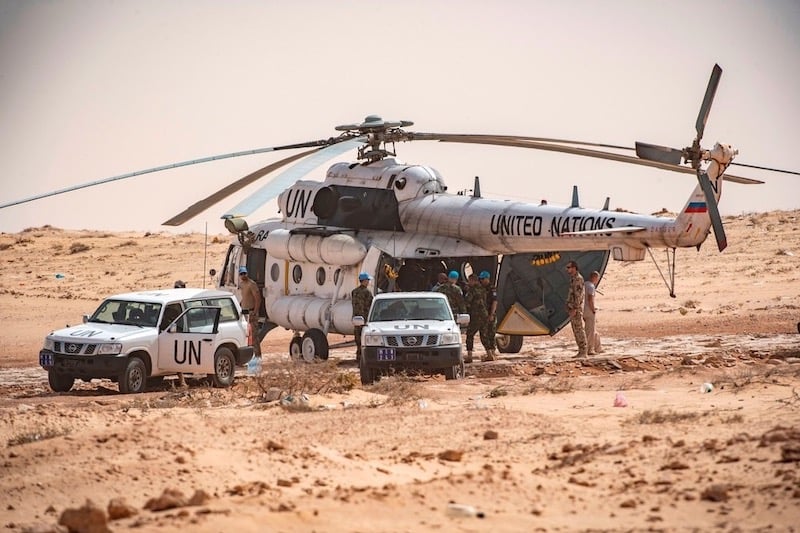
Behind-the-scenes discussions have explored several possible scenarios, including a transitional phase lasting between five and 10 years to implement autonomy arrangements, as well as the option of submitting a framework agreement to a consultative vote or consensual approval process. The talks have also reportedly addressed the potential adjustment of the mandate and budget of the U.N. peacekeeping mission, MINURSO, in line with any new political arrangements.
The diplomatic initiative comes amid heightened security tensions in the Sahel region, which analysts say are prompting Washington to quietly accelerate U.N.-led efforts to resolve the long-running conflict. The process follows the parameters outlined in UN Security Council Resolution 2797, which calls on all parties to engage in a political solution, exercise restraint and avoid military escalation.
Moroccan political analyst Mohamed Fadel Bekkade said recent developments risk undermining de-escalation efforts, pointing to projectile attacks targeting civilian areas in the city of Smara. He said such actions contradict the spirit of U.N. resolutions and have drawn international condemnation, including from the United States, reflecting broader rejection of attempts to reignite tensions.
Bekkade added that the escalation not only threatens civilians but also exacerbates the vulnerability of refugees in the Tindouf camps, arguing that longstanding rhetoric about protecting Sahrawi populations is increasingly being questioned. He also linked the latest tensions to ongoing discussions over revising MINURSO’s mandate and to internal dissent within the Polisario Front.
Another analyst, Hmadat Lahcen, said the upcoming meetings reflect an acceleration of diplomatic efforts to reach a realistic and mutually acceptable solution in line with Resolution 2797, which endorses the autonomy initiative as a serious basis for negotiations.
He added that recent U.S. diplomatic activity, including a visit by Ambassador Richard Duke to the city of Dakhla, signals growing practical recognition of Morocco’s position. Lahcen described recent attacks on civilian areas as illegal acts aimed at influencing negotiations, framing them as attempts at political pressure during a sensitive phase of U.N.-led discussions.
While diplomatic momentum appears to be building, Lahcen noted that a lasting solution remains contingent on genuine political will from all parties, particularly Algeria. He argued that ongoing development in Morocco’s southern provinces, combined with increasing international support and relative stability, strengthens the case for autonomy as a final resolution to the dispute.

add your comment
Terms of publication : Not to offend the writer, people, sacred things, or attack religions or the divine self, and refrain from racist incitement and insults.