
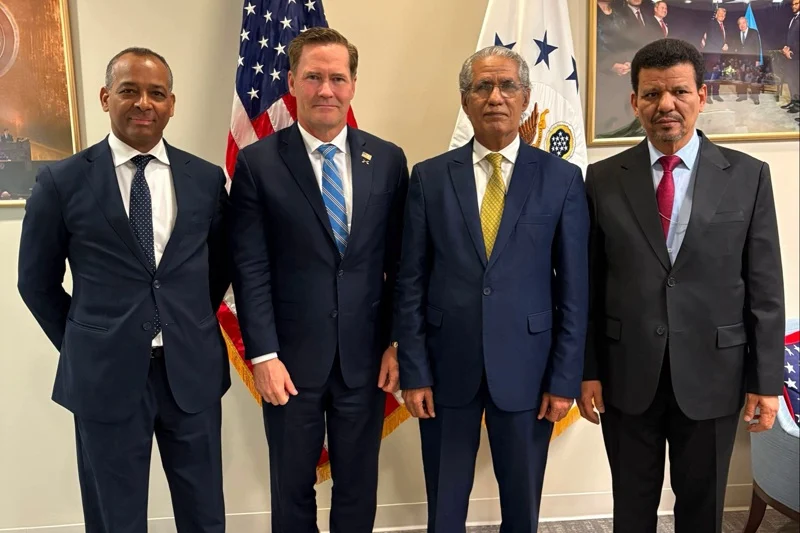
Russia’s Foreign Ministry hosted a delegation representing the Polisario Front earlier this week as part of its regular consultations with parties involved in the Sahara dispute, amid renewed international diplomatic activity surrounding the file.
Alexander Alimov, Russia’s deputy foreign minister, held talks with the delegation, which included Mohamed Yeslem Beissat, in charge of the group’s so-called foreign relations, Sidi Omar, its coordinator with the U.N. Mission for the Referendum in the Sahara (MINURSO), and Ali Salem Mohamed Fadel, its representative to the European Union.
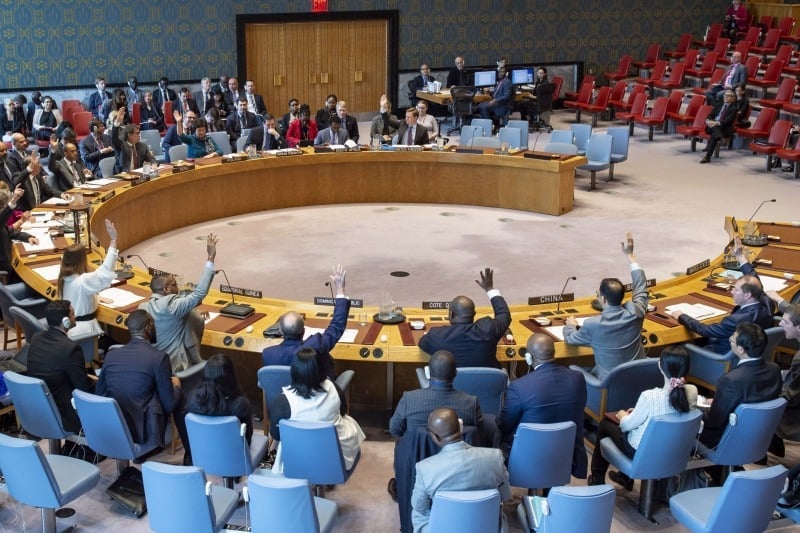
The discussions focused on recent developments in the regional dispute, particularly ongoing deliberations at the U.N. Security Council and U.S.-led efforts to revive the political process.
The talks also covered the outcomes of the last three rounds of consultations, the Security Council session held on April 23, and the session scheduled for Thursday evening to present the strategic review of MINURSO under Resolution 2797.
During the meeting, the Polisario delegation reiterated its position of engaging in the U.N.-led political process while insisting on direct negotiations with Morocco under the framework of what it described as self-determination.
The group also rejected alternative settlement formulas, in an apparent reference to Morocco’s autonomy plan.
For its part, the Russian Foreign Ministry reaffirmed its support for the U.N.-sponsored political process based on relevant Security Council resolutions and aimed at reaching a fair, lasting and mutually acceptable solution consistent with the principles and purposes of the United Nations Charter.
The meeting falls within Russia’s longstanding diplomatic approach of maintaining open channels of communication with all parties involved in the issue, including Morocco, Algeria and Mauritania, as part of Moscow’s policy of balance and multilateral dialogue management.
At the same time, broader international diplomatic developments continue to reflect growing support for Morocco’s autonomy initiative, which Rabat presents as the most realistic and practical basis for resolving the dispute.
The proposal has gained increasing backing in international diplomatic circles as a framework capable of overcoming the long-standing political deadlock surrounding the Sahara issue.



add your comment
Terms of publication : Not to offend the writer, people, sacred things, or attack religions or the divine self, and refrain from racist incitement and insults.