
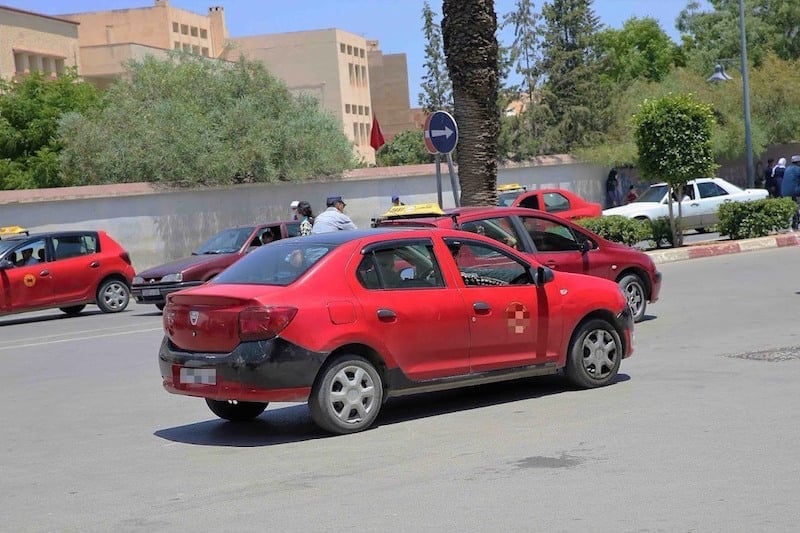
Petit-taxi driver, known on the rank by his cab number, 1604, was found dead on Monday in Aïn Chock, southern Casablanca, after what local press reports describe as a fatal assault by two passengers who then stole his belongings and abandoned the body.
The judicial police have opened an investigation, and no arrests have been publicly confirmed as of Tuesday morning.
What is confirmed
The body was discovered on Monday in the Aïn Chock arrondissement. The case is being handled by Casablanca’s judicial police under the supervision of the prosecutor’s office at the Court of First Instance.
The Aïn Chock regional security district recovered the missing cab the same day in Hay Al-Mostaqbal, following intensive enquiries. Investigators have reviewed street CCTV footage to trace the vehicle’s route.
The cab has been impounded for forensic examination as the search for the perpetrators and the motive continues.
Drivers from neighbouring ranks gathered on Monday afternoon to pay tribute, describing the victim as professional and never having been involved in disputes. The UMT trade union centre has mobilised on the case.
What is missing from the record
DGSN has issued no public statement. The Wilaya of Casablanca-Settat has not commented. The Ministry of Transport and Logistics, which oversees the petit-taxi licence framework, has not spoken in the case either.
There is no public confirmation of CCTV footage, GPS records or witness statements informing the investigation, and the cab itself has not been publicly described as recovered or impounded.
The system
Petit-taxis in Casablanca, numbering in the thousands across the metropolitan area, operate predominantly in cash. Trips are not metered with digital receipts, routes are not logged centrally, and in-cab cameras are not part of the licence requirement.
VTC ride-hailing platforms, which generate traceable trip records by design, remain outside the formal regulatory perimeter in Morocco.
The licence-rent (“agrément”) arrangement that governs much of the sector means a substantial share of drivers work long shifts to clear daily plate rent before earning take-home.
Past killings of taxi drivers have been reported by Moroccan press over the past two years, including cases in Rabat and in Casablanca’s El Oulfa neighbourhood, which produced union mobilisation but no sector-wide deployment of safety equipment or rerouting of policy on traceable rides.







add your comment
Terms of publication : Not to offend the writer, people, sacred things, or attack religions or the divine self, and refrain from racist incitement and insults.