
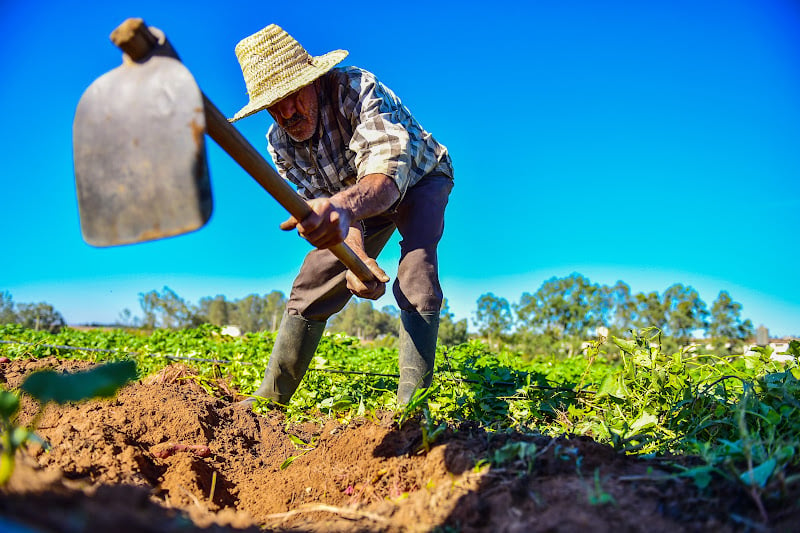
A majority of Moroccan farmers are unable to identify the pesticides they use, according to a new study, raising concerns about safety practices and the effectiveness of current training approaches.
The research, published in Scientific Reports, found that 86% of farmers surveyed could not properly identify the pesticides they apply. However, researchers say the issue goes beyond lack of knowledge, pointing instead to attitudes and risk perception as key drivers of behavior.
The study analyzed farmers’ practices using the Theory of Planned Behavior, examining how knowledge, beliefs and external factors influence pesticide use across several agricultural regions in Morocco.
Researchers found that literacy plays a significant role. Farmers who can read and write are more likely to understand pesticide labels and follow safety instructions, while those with limited education face greater risks of misuse. Similar trends have been observed in other countries, including Egypt, Ethiopia and Cameroon.
Age also emerged as an important factor. Older farmers were less likely to adopt safe practices, which researchers attribute to long-term familiarity with pesticide use and a possible sense of overconfidence. In contrast, younger farmers were more open to adopting safer methods and exploring alternatives to chemical inputs.
The study found that even when farmers are aware of health and environmental risks, this knowledge does not always translate into safer behavior. Instead, attitudes toward pesticides, particularly whether farmers perceive them as harmful—had a stronger influence on how they are used.
Many farmers continue to view pesticides as economically necessary, even when they acknowledge potential risks. This tension between economic pressures and safety concerns shapes decision-making in the field.
Researchers say future training programs should move beyond simply providing information and instead focus on shifting attitudes and perceptions of risk. They recommend practical, hands-on training, peer-to-peer learning and incentives to encourage safer practices.
The study also highlights the role of broader constraints, including costs, access to protective equipment and market pressures, which can limit farmers’ ability to adopt safer alternatives.







add your comment
Terms of publication : Not to offend the writer, people, sacred things, or attack religions or the divine self, and refrain from racist incitement and insults.