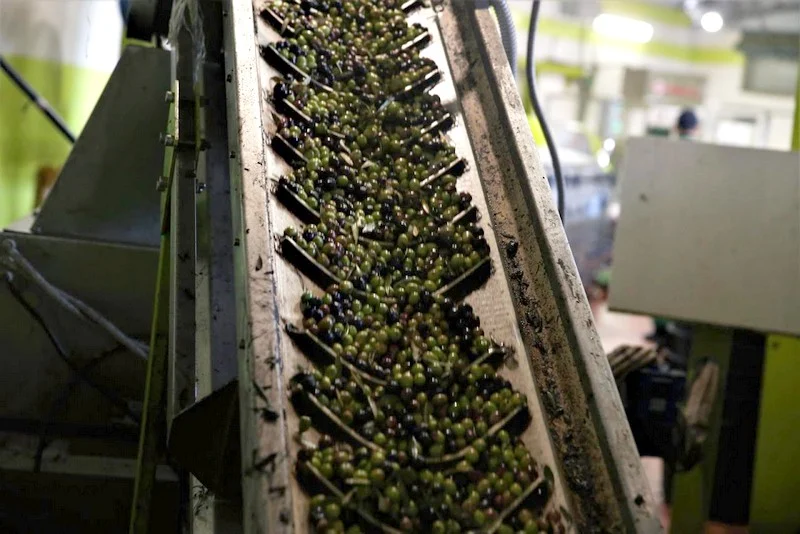
Morocco’s olive harvest is facing an unusual delay this agricultural season, with picking expected to continue into February due to labor shortages and persistent rainfall that has slowed operations since December, industry professionals said.
Unlike previous seasons, harvesting has not been completed by late January, raising concerns about the impact of the delay on trees’ readiness for the next production cycle, which typically begins in April.
“The olive harvest has clearly been delayed this year, and the process is expected to continue through February,” said Rachid Benali, president of the Moroccan Interprofessional Federation of Olives. He noted, in a statement to Hespress AR, that many farms across the country have yet to finish harvesting their crops.
Benali warned that prolonged harvesting could negatively affect the next production cycle, stressing that olive trees require a rest period after harvest. “It is not in the interest of olive trees for harvesting to continue into February,” he said, adding that under normal conditions, picking should end by late January.
According to Benali, the season’s record output collided with several constraints, notably heavy rainfall and a shortage of labor unable to keep pace with the unusually high production levels compared with previous years. Harvesting operations were repeatedly interrupted by rain over recent weeks.
The delay affects various olive varieties, particularly local ones, Benali said, emphasizing that trees need sufficient recovery time to maintain optimal productivity.
Another industry professional, Rachid Bizker, attributed the delay largely to the volume of production, which exceeded farmers’ capacity to harvest within customary timeframes. He said the season also started late, beginning in November instead of October.
Bizker added that labor shortages and rising costs have compounded the problem, with daily wages reaching about 200 dirhams ($20) per worker. Farms in regions such as Kalaat Sraghna, Taounate and Ouezzane are still racing to complete harvesting after rain-related stoppages.
Despite the challenges, Bizker downplayed the potential impact on the next season, saying the delay is unlikely to significantly affect trees’ readiness for the upcoming production cycle.








add your comment
Terms of publication : Not to offend the writer, people, sacred things, or attack religions or the divine self, and refrain from racist incitement and insults.