
A parliamentary committee in Morocco has called for an urgent government meeting to address rising fuel prices and their impact on the national market.
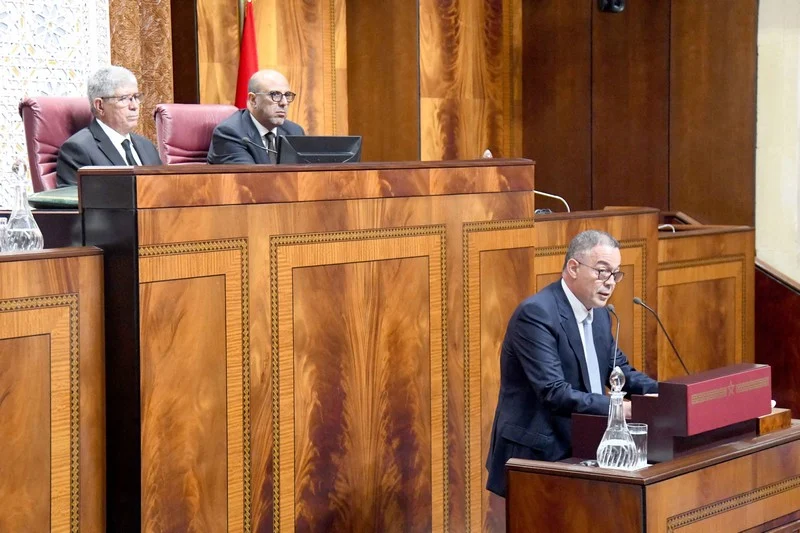
The Infrastructure, Energy, Mines and Environment Committee in the House of Representatives notified the government, through the Ministry of Energy Transition and Sustainable Development, to attend an extraordinary session to discuss the current situation of hydrocarbons, according to informed Hespress AR sources.
The committee bureau is expected to meet on April 13 to formalize the request and send an official summons to the government.
The move follows requests by opposition parties. The Progress and Socialism group had asked since mid-March for Energy Minister Leila Benali to appear before the committee to explain the “causes and repercussions of the sharp rise in fuel prices.”
Separately, the Socialist Group-Federal Opposition also requested a special session to examine monitoring mechanisms and governance of the hydrocarbons market in light of current geopolitical challenges.
Committee chairman Ibrahim Abba confirmed that the ministry had been informed to prepare for the session, pending a formal decision early next week. He noted that earlier plans to convene the meeting between parliamentary sessions were delayed due to logistical and scheduling constraints.
The renewed push comes amid global energy market volatility linked to ongoing tensions in the Middle East, which have contributed to sharp fluctuations in fuel prices both internationally and domestically.
Abba said the current situation requires “comprehensive clarifications” from the government regarding how these developments are affecting the national market, stressing the committee’s oversight role.
The committee is expected to refer the request to the Speaker of the House on Tuesday to initiate formal procedures to summon the minister. The meeting could take place as early as next week, given the urgency and sensitivity of the issue for both citizens and the national economy.
Opposition lawmakers argue that rising fuel prices are placing increasing pressure on household purchasing power, particularly for vulnerable groups and the middle class. Higher fuel costs have also driven up transportation expenses and the prices of consumer goods, while increasing production costs for businesses.
The Socialist opposition group said the hydrocarbons issue has moved beyond a purely technical and commercial matter to become one of strategic security, involving economic sovereignty and the protection of citizens’ purchasing power amid global instability and disruptions in energy supply chains.







add your comment
Terms of publication : Not to offend the writer, people, sacred things, or attack religions or the divine self, and refrain from racist incitement and insults.