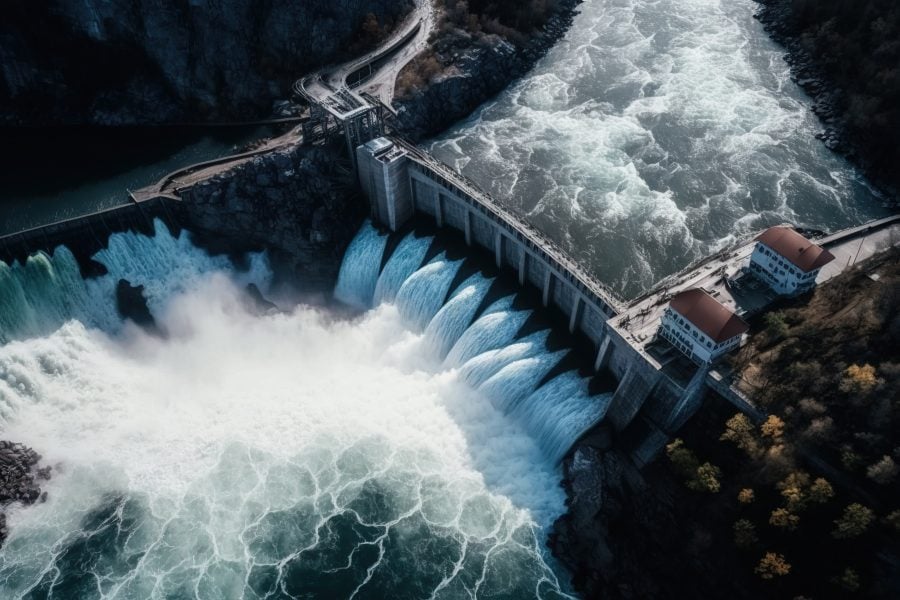
As the Iran war drives energy costs to levels not seen since Russia- Ukraine conflict, a rare downpour has directed over 1.5 billion cubic metres of water toward Morocco’s hydroelectric dams, offering an unexpected boost to a clean electricity source the country had almost written off.
In February, Minister of Equipment and Water Nizar Baraka called it a cost-reducing, sovereignty-strengthening moment.
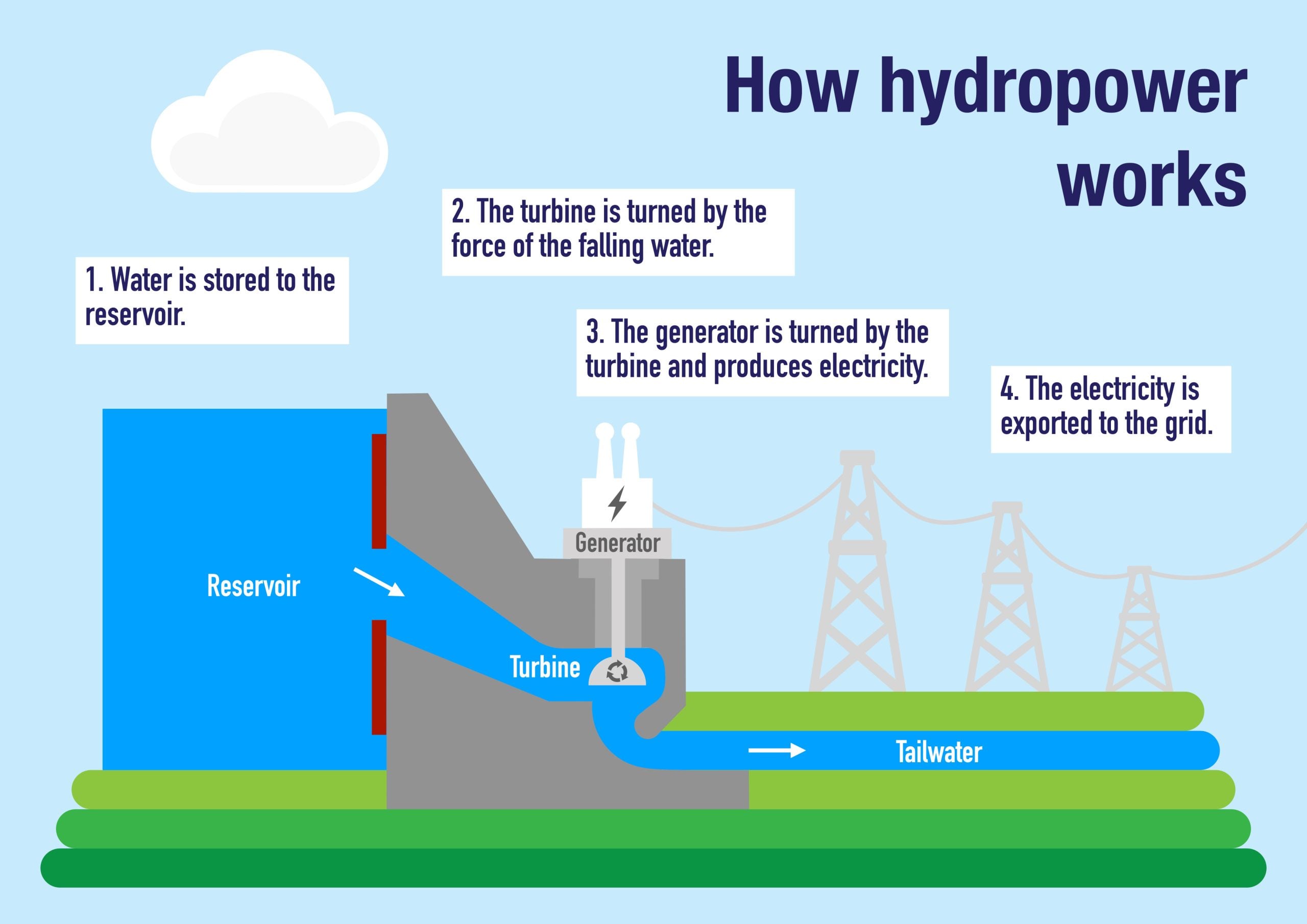
Hydropower is free to fuel, sovereign by nature, and immune to the disruptions now paralyzing global energy markets. Pumped storage, which moves water uphill during quiet grid hours and releases it when demand spikes, works like a large-scale battery, storing and dispatching electricity on demand.
Unlike chemical batteries, it has no exposure to the tariff-vulnerable supply chains complicating clean energy buildouts elsewhere. It also offers something wind and solar cannot: electricity available whenever the grid needs it, not just when the sun shines, or the wind blows, a distinction that has sharpened since Spain’s catastrophic blackout last year, which thrust the reliability of renewable-heavy grids into sharp debate across the region.
Morocco once knew this well. In the 1970s, hydropower represented more than 70% of the country’s installed power generation capacity. It was the backbone of the national grid, built around the country’s rivers and dams, before rains began failing.
Morocco has about 5,337 MW of installed renewable capacity, including roughly 2,120 MW of conventional hydropower, a legacy backbone that now accounts for a shrinking share of the system as wind and solar scale up to make up nearly half of Morocco’s electricity.
Over the past six years, natural rainfall decreased from 12 billion cubic metres per year to just 5 billion cubic metres in 2023m the country’s worst drought in over three decades.
Consecutive dry years since 2018 dried Morocco’s dams to historic lows, with some key reservoirs dropping to nearly 1% capacity at the start of 2024. Fanack Water Hydro’s share of the electricity mix collapsed from double digits to less than 2%.
This year’s rainfall interrupted that decline, but energy expert Amin Bennouna puts the generation ceiling plainly. “Even running every dam at full capacity for an entire year would yield no more than 10,000 GWh against total national demand of over 40,000 GWh.” he said.
Morocco’s energy planners are not arguing otherwise. The country’s hydro strategy has shifted from bulk generation to something more strategic: using pumped storage as the flexibility backbone of a grid taking on rapidly expanding solar and wind capacity.
Conventional hydro generates from river flow, while pumped storage stores electricity by lifting water when supply is abundant, then releases it on demand, effectively operating as a grid-scale battery.
The Afourer pumped storage station, a 465 MW facility operating since 2004, can theoretically supply peak demand equivalent to a large city. The 350 MW Abdelmoumen plant, near Agadir, the equivalent of a mid-sized gas power plant, was recently commissioned.
Together they anchor a system that the World Bank says can provide peak shaving, spinning reserve, black start capability, and frequency control, the unglamorous but essential services that keep a renewable-heavy grid stable.
Morocco’s state utility ONEE has launched a program to develop 1,000 MW of pumped storage by 2030, enough to cover peak evening demand for a large city on a hot summer night when air conditioners are running and the sun has already set.
Two flagship projects, STEP El Menzel and STEP Ifahsa, each 300 MW, anchor Morocco’s pumped storage expansion. Ifahsa, backed by the World Bank and other multilaterals, is designed to unlock greater volumes of wind and solar on the grid.
But completing that buildout depends on more than financing and engineering, it depends on water. Morocco is only now recovering from a protracted drought that lasted between 2019 and 2025, and there is a high likelihood the country is about to embark on another period within its climate change cycle.
Energy expert Abdessamad Malaoui is direct: hydropower can support the grid alongside wind and solar, but it cannot anchor it , not with more dry years forecast.
But for Bennouna “Every percentage point helps.”





add your comment
Terms of publication : Not to offend the writer, people, sacred things, or attack religions or the divine self, and refrain from racist incitement and insults.