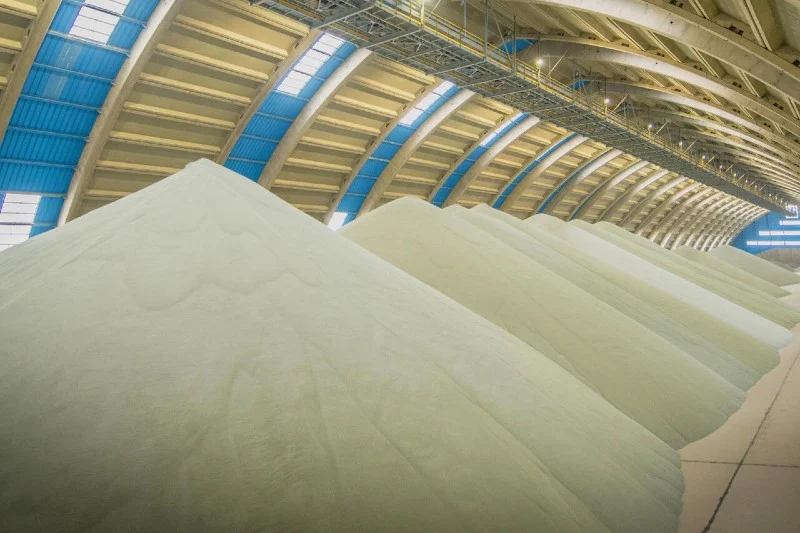
The United States is exploring options to strengthen fertilizer supplies for its farmers amid global disruptions linked to the war in the Middle East, including potential imports from Morocco, a White House economic adviser said.
Kevin Hassett, director of the National Economic Council, told CNBC’s “Squawk Box” that Washington is seeking to diversify sourcing to mitigate supply shocks affecting global agricultural inputs.
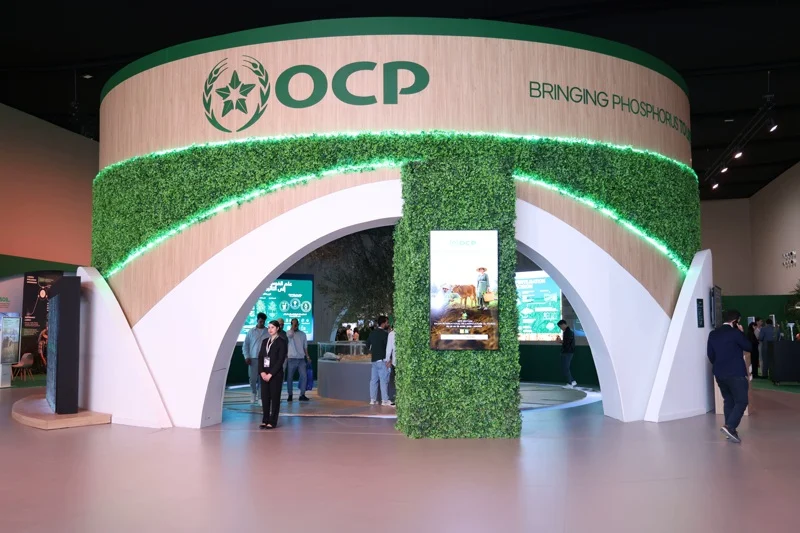
Experts say that the global fertilizer crisis and rising prices are strengthening Morocco’s position as one of the world’s largest producers, capable of playing a pivotal role in supporting food security, not only in the United States but also internationally.
Economist Idriss Fina said Morocco’s long-standing economic ties with the U.S., underpinned by a free trade agreement, position it as a key commercial and financial partner.
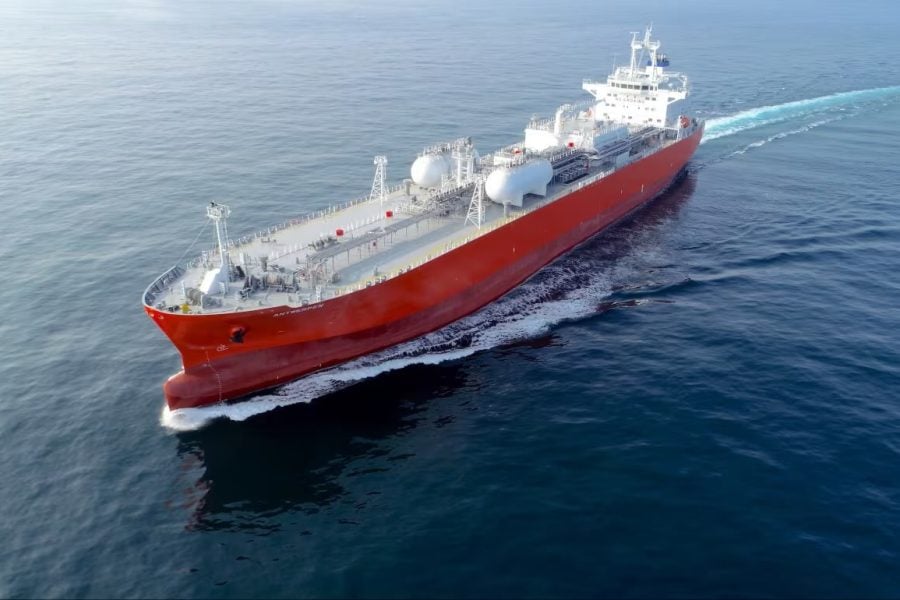
He added that Morocco’s geographic proximity and large-scale phosphate production makes it an effective alternative to distant suppliers, as it helps reduce logistics costs and ensure the stability of supply chains.
“Morocco has proven its ability to meet rising global demand and establish itself as a reliable long-term partner,” Fina said.
Another economic analyst, Abdelkhaleq Tehami, said current global supply chain disruptions create an opportunity for Moroccan fertilizers to expand into international markets, particularly the United States, despite existing tariffs.
He noted that the U.S. shift toward Morocco may be partly driven by short-term geopolitical pressures, urging Rabat to capitalize on the moment to renegotiate trade terms and secure better market access.
“The current moment is ideal to transform global pressures into long-term commercial gains,” he said.
While rising oil prices continue to weigh on Morocco’s economy, higher global prices for fertilizers and phosphate products could offset some of these impacts, analysts said.
Tehami stressed that Morocco should view its phosphate resources not merely as raw materials but as a strategic asset tied to global food security, requiring a more assertive negotiation approach in international markets.



add your comment
Terms of publication : Not to offend the writer, people, sacred things, or attack religions or the divine self, and refrain from racist incitement and insults.