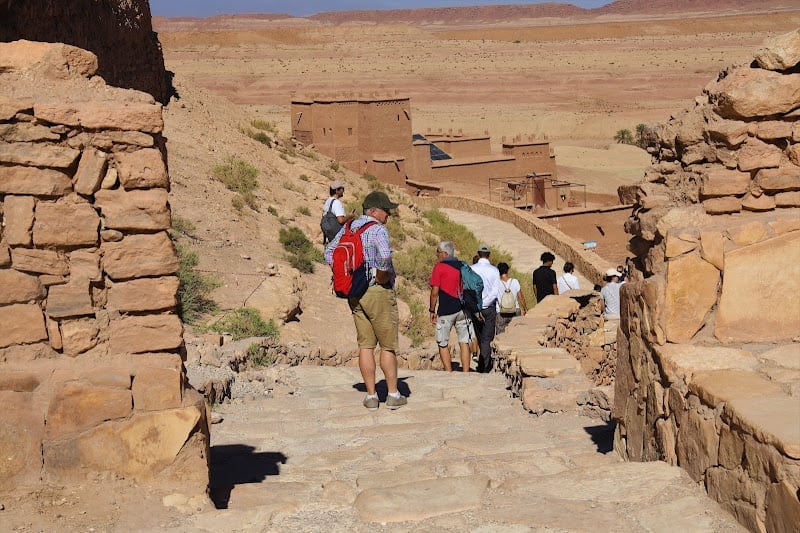
The ongoing war in the Middle East may reshape global tourism flows, as travelers reconsider trips to conflict-affected destinations and seek safer alternatives, Moroccan tourism officials say.
Industry experts note that geopolitical instability often prompts tourists, travel agencies and airlines to redirect plans toward countries perceived as stable and secure. Morocco could benefit from such shifts, though analysts caution it is too early to quantify any impact.
Mustapha Amalek, a tourism operator and secretary-general of the Regional Tourism Council in Marrakech, told Hespress Ar that armed conflicts typically create uncertainty that quickly influences travel decisions.
“War anywhere in the world cannot be seen as a benefit,” Amalek said. “But conflicts create anxiety among travelers, and tourism is a sector strongly linked to stability and security.”
He added that travelers often hesitate to visit regions experiencing tension, which can lead them to choose politically stable countries instead.
“This concern can lead to a shift in tourism flows,” he said. “Some travelers may begin to view Morocco as a possible alternative to destinations located in areas experiencing tensions.”
Amalek highlighted Morocco’s political stability and geographic position between Europe, Africa and the Middle East as potential advantages for attracting visitors. However, he cautioned against premature conclusions.
“It is necessary to wait and see how the situation develops,” he said. “Even if Morocco does not see immediate gains, the country’s tourism sector is unlikely to suffer direct damage from these tensions.”
Marouane Chouyoukh, president of the Provincial Tourism Council in Al Haouz, said several Middle Eastern destinations, particularly Egypt, compete directly with Morocco in the cultural and historical tourism market.
“Geopolitical contexts like the current war force destinations to be more flexible in responding to shifts in international travel,” Chouyoukh said.
He noted that cities such as Marrakech have been upgrading tourism infrastructure and positioning themselves as global destinations, especially in the luxury segment.
“Tourism markets often reorganize themselves during international crises, as travel demand shifts between regions,” Chouyoukh added. “These changes usually happen almost automatically. Global tourism redistributes itself when political or economic conditions change.”




add your comment
Terms of publication : Not to offend the writer, people, sacred things, or attack religions or the divine self, and refrain from racist incitement and insults.