
The Iran-US war has compressed global energy risk into a narrow stretch of water between Iran and Oman, where shipping lanes are thin and export volumes are dense, meaning that even calibrated disruption in Hormuz would reverberate through crude benchmarks, freight costs and inflation curves.
Homruz, a strategic shipping lane that links Gulf producers to the wider world is in a state of de facto disruption amid the ongoing US–Israel–Iran war.
Iranian Revolutionary Guard officials have declared that the strait is effectively closed to commercial shipping and threatened to fire on any vessel attempting to transit the narrow waterway.
Maritime traffic has plunged, with many shipowners turning back or anchoring outside the strait and major carriers suspending Gulf transits as war-risk insurance is being canceled, effectively dissuading passage through these waters.
At least 150 vessels have been reported stalled or rerouted in the corridor that carries the world’s largest oil transit chokepoint and routinely moves about 20 million barrels a day, roughly a fifth of global petroleum liquids consumption, according to the US Energy Information Administration.
Drone strikes on a fuel tanker and reported attacks on other vessels have added to the perception of risk.
Even when ships keep moving, markets price the risk of interruption, because insurers, shippers and refiners respond to threat perception as fast as traders do, and Reuters mapping based on EIA analysis shows that oil transiting Hormuz accounted for about 27 percent to 29 percent of world maritime oil trade in recent years, a share that makes rerouting a partial fix rather than a substitute.
Rystad Energy’s geopolitical team has been blunt that a de facto halt would leave only limited bypass capacity, because Saudi Arabia’s east west pipeline and the UAE’s Fujairah route cannot absorb the full Gulf export stack, with Jorge Leon warning that even after diversions the net loss could still be around 8 million to 10 million barrels per day, a supply hole large enough to push Brent sharply higher and keep it there if the conflict drags.
Tehran’s leverage is structural, because the navigation lanes are narrow and exposed and the threat toolkit is asymmetric, yet the deterrent is also structural, because a prolonged shutdown would collide with Asian demand realities and likely trigger overwhelming military pressure on Iran’s coastal assets, which is why past crises have tended to produce calibrated disruption, nervous convoys and soaring war risk premiums rather than an openly declared blockade.
Oil gets the headlines, but gas drives the political pain in Europe and parts of Asia, and Reuters has stressed that Qatar supplies about 20 percent of global LNG exports and that these volumes route through Hormuz, a dependency that turns any sustained insecurity into a direct test of winter storage strategies, spot market pricing and the credibility of long term supply contracts.
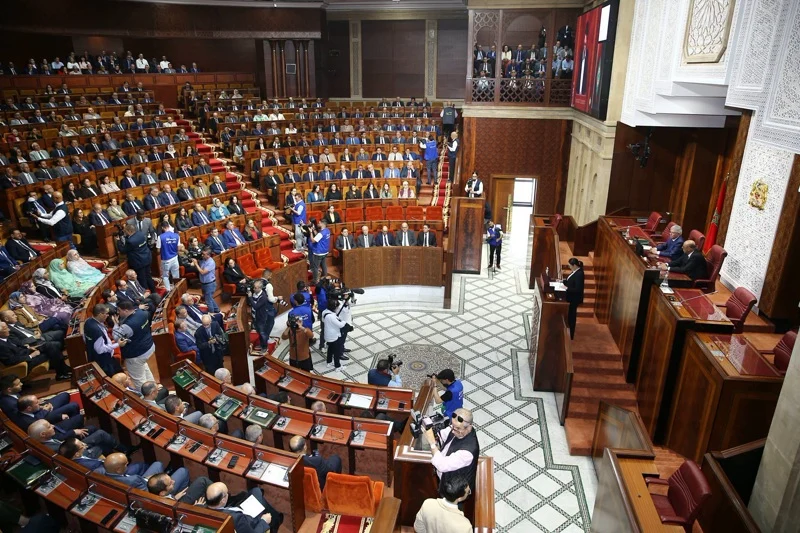
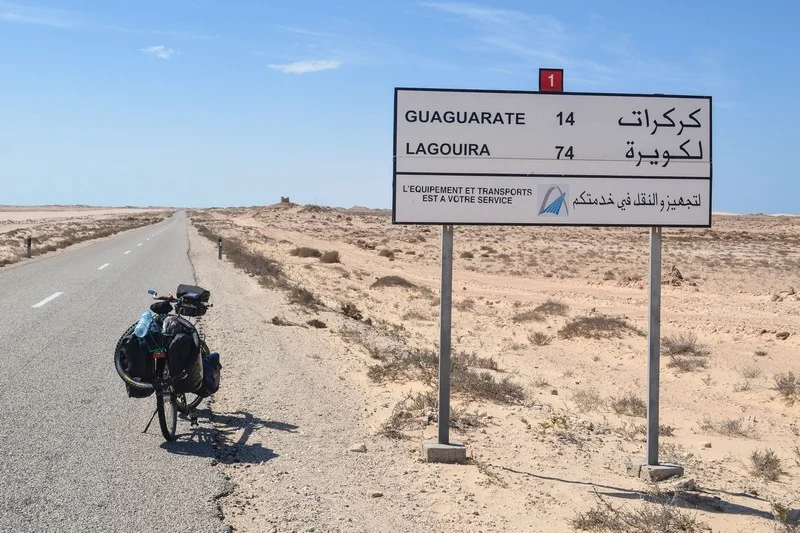
Morocco sits outside the Gulf theatre, yet it absorbs the shock because it imports roughly 90 percent of its energy needs, which means an oil spike transmits quickly into transport costs, food logistics and household budgets, while any sustained shipping insurance surge also raises freight costs for traded goods and industrial inputs, tightening margins even when volumes keep moving.




add your comment
Terms of publication : Not to offend the writer, people, sacred things, or attack religions or the divine self, and refrain from racist incitement and insults.