
Morocco rejects 92% of Spain’s requests to repatriate unaccompanied foreign minors who arrive on Spanish shores, according to a report by the European Parliament.
Only 8% of the requests are accepted, a figure that is adding pressure on Spain’s already strained reception system, particularly in the Canary Islands and Catalonia.
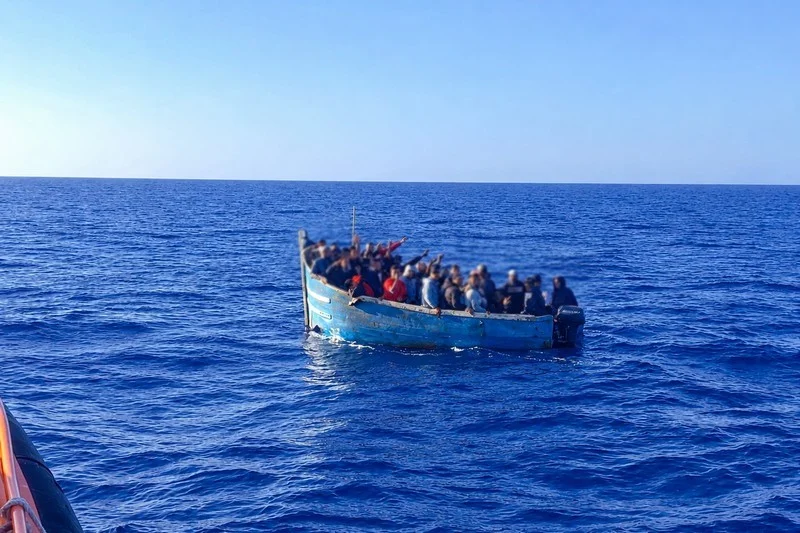
Most minors arriving by boat in Spain are from Morocco. However, the report said Rabat responds positively to only a small fraction of readmission requests.
The figures come as Spain faces growing debate over how to handle unaccompanied minors. Some argue the country has a moral obligation to protect them, while others say they should be returned to their home countries. With Morocco rejecting most requests, returns remain the exception rather than the rule.
The report also cited age assessment tests conducted in Spain. Of 1,500 tests carried out on individuals claiming to be minors, at least 600 — about 40% — were determined to be adults.
Spanish authorities say some adults claim to be underage to avoid deportation and gain access to public assistance. In Catalonia, minors in state care may receive support until age 23.
European institutions warned that the situation is placing significant strain on reception centers and social services.
In Catalonia alone, more than 115 million euros (about $125 million) is allocated annually for the care of unaccompanied minors. The estimated yearly cost per person is about 50,000 euros.
The report stressed that children who arrive alone must be protected but warned of what it described as “abuse” of the system, saying overcrowding is affecting living conditions and services.
It also said the lack of effective readmission agreements and Morocco’s refusal to take back boats intercepted in its waters contribute to what officials describe as a “pull factor,” giving human smuggling networks more room to operate.
Meanwhile, Spain’s government said it is taking internal measures. It recently relocated 1,019 unaccompanied minors from Ceuta, Melilla and the Canary Islands to other parts of the country under an emergency plan.
Of those relocated, 579 were transferred under immigration procedures and 440 were asylum seekers from the Canary Islands.








add your comment
Terms of publication : Not to offend the writer, people, sacred things, or attack religions or the divine self, and refrain from racist incitement and insults.