Morocco’s Economic, Social and Environmental Council (CESE) warned on Monday that the country’s mandatory health insurance system suffers from major structural weaknesses that continue to limit access to care, despite high enrollment rates.
The council said around 88% of the population is registered in health insurance schemes, but nearly 30% of beneficiaries have had their coverage suspended due to unpaid contributions or administrative issues, leaving many unable to access services.
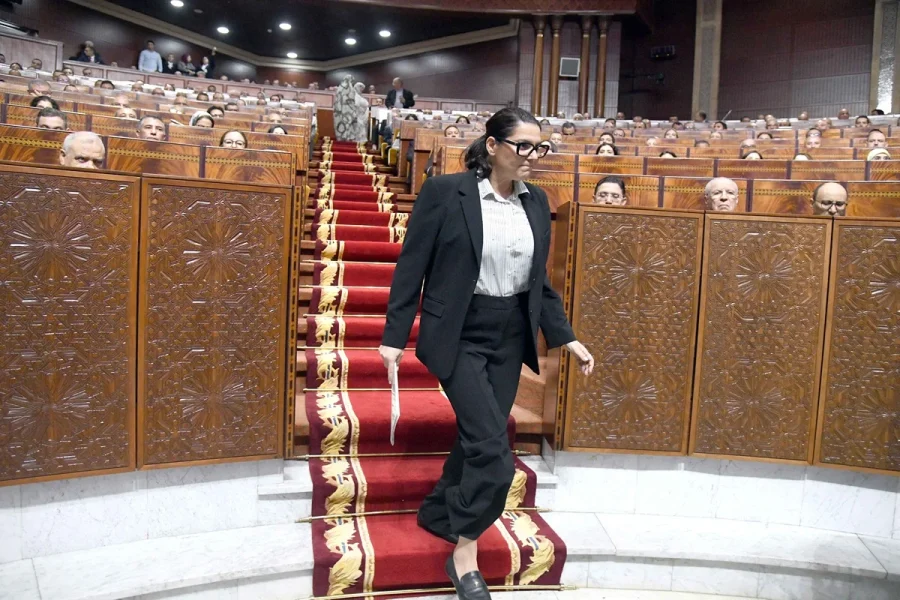
The warning was delivered by CESE member Abdelmaksoud Rachdi during the 10th International Parliamentary Forum on Social Justice, held at the House of Councillors.
Rachdi said the current focus on expanding enrollment has not translated into effective access to healthcare, calling for a comprehensive review of the system’s design and implementation.
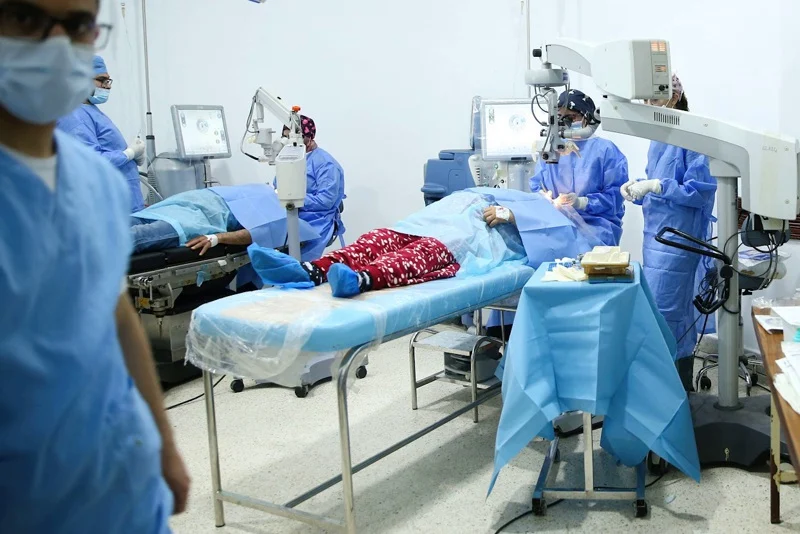
According to the council, insured patients continue to face significant barriers, particularly in accessing specialized care. These include high upfront medical costs, low reimbursement rates, and lengthy compensation procedures, which discourage many from seeking treatment.
The council also highlighted stark regional disparities, noting that rural and marginalized areas suffer from shortages in hospitals, medical equipment and healthcare professionals.
Self-employed and informal workers remain among the most affected groups. Many face difficulties registering and maintaining regular contributions, leading to a high number of suspended accounts, the report said.
CESE pointed to the fragmentation of the system into multiple insurance schemes as another major weakness, saying it undermines coordination and reduces overall efficiency.
Rising healthcare costs further strain the system. National medical tariffs have not been updated for years, while private clinics account for a growing share of health spending, increasing pressure on household budgets.
The council said the imbalance between public and private healthcare provision has widened inequalities and weakened the effectiveness of health coverage.
Rachdi urged authorities to move beyond enrollment targets and focus on guaranteeing real medical and financial protection. He called for a unified and integrated health insurance system.
The council recommended accelerating digitalization, reducing reimbursement delays, revising contribution mechanisms and reimbursement rates to reflect citizens’ purchasing power, and updating national medical tariffs.
It also called for strengthening healthcare infrastructure, particularly in remote areas, and improving communication with insured citizens.
CESE said the success of Morocco’s health insurance reform will depend on gradual but deep structural changes.





add your comment
Terms of publication : Not to offend the writer, people, sacred things, or attack religions or the divine self, and refrain from racist incitement and insults.