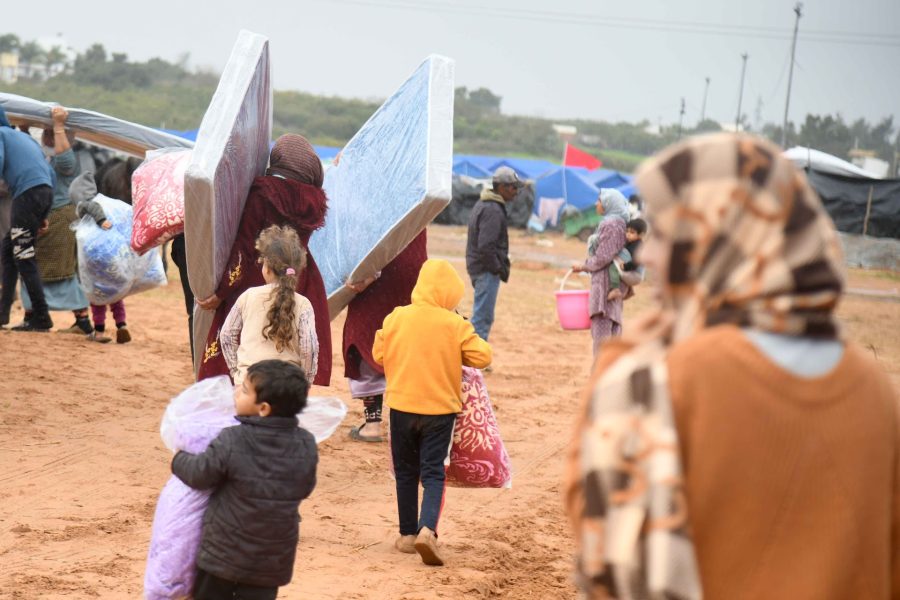
As attention remains focused on the material damage caused by recent floods in northern Morocco, mental health specialists are warning that the psychological toll on affected residents risks being overlooked.
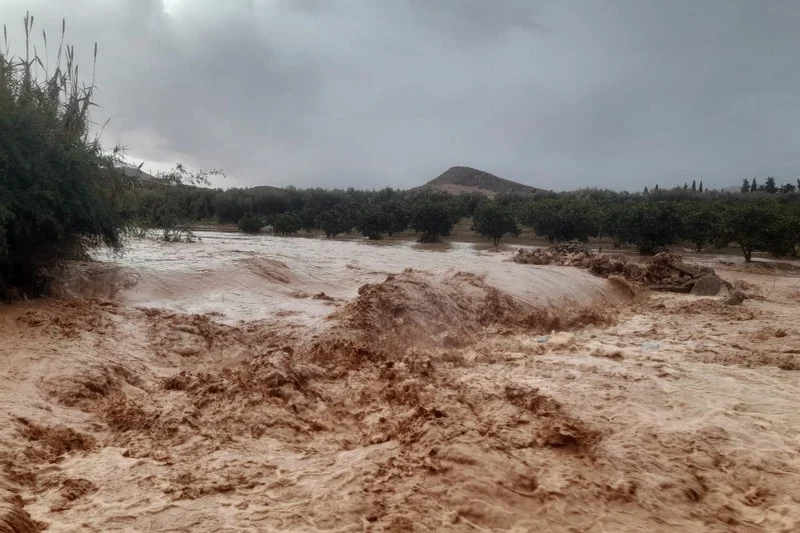
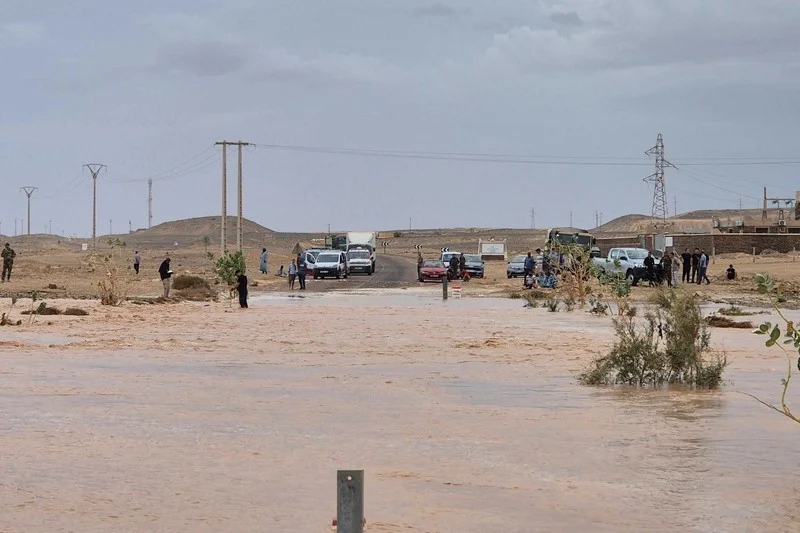
Public discussion has largely centered on images of submerged neighborhoods, damaged infrastructure and questions about financial compensation and emergency aid. But psychiatrists and clinical psychologists say another, less visible dimension of the disaster is unfolding quietly in the background: the mental health impact on families who endured fear, loss and sudden displacement.
Clinical psychologist Nada Al Fadl said natural disasters often leave deep psychological scars that are not immediately apparent.
“When floods strike, public attention naturally goes to destroyed homes, ruined roads and lost property,” Al Fadl told Hespress AR. “But there is another side that is less visible and no less dangerous, the profound psychological impact these events leave on those affected.”
She said the recent flooding in Ksar El Kebir was not a fleeting incident but a collective traumatic experience, during which residents lived through moments of fear, confusion and loss.
“Many families suddenly found themselves facing a new reality, homes flooded, belongings gone, children terrified,” she said. “In such circumstances, the essential question becomes: Is material support alone enough, or do people also need specialized psychological care?”
Al Fadl noted that psychological research consistently shows natural disasters to be a major source of trauma. People who lose their homes or livelihoods, or who witness threats to their lives, are at heightened risk of acute anxiety, depression, sleep disorders, panic attacks and post-traumatic stress disorder.
“These symptoms may not appear immediately,” she said, “but they can worsen over time if they are not properly addressed.”
Early psychological intervention, she added, helps people express emotions, release emotional tension and regain a sense of safety, while strengthening their ability to adapt to new realities rather than succumbing to despair.
“The disaster does not end when the waters recede,” Al Fadl said. “That is when the battle of psychological and social reconstruction truly begins.”
She stressed that psychological support is particularly important for vulnerable groups, including children, who may develop lasting fears; women, who often shoulder increased responsibilities; and the elderly, who may struggle to adapt to sudden change.
Mental health support, she said, should not be limited to individual therapy but also include group sessions, awareness campaigns and community listening spaces that reinforce solidarity and social cohesion.
“The feeling that suffering is shared, and that someone cares and is listening, is in itself a powerful therapeutic factor,” Al-Fadl said.
She called for psychological services to be integrated into emergency response plans, alongside material aid and reconstruction efforts, warning that rebuilding infrastructure alone is insufficient “if the individual remains broken inside.”
Remote mental health initiative
In a practical response to these concerns, clinical psychologist Ibrahim Hassnaoui announced a free remote psychological support initiative for people affected by flooding in northern Morocco.
In a statement shared on social media, Hassnaoui said the initiative aims to address psychological distress resulting from the floods, including trauma, anxiety, insomnia, grief and feelings of insecurity.
“I am offering free remote psychological support for people directly affected by the floods, especially those unable to travel due to damaged infrastructure or limited access to health services,” he said.
Hassnaoui said the service includes psychological first aid, guidance on coping with stress, and support for families helping children and elderly relatives through the crisis.
Sessions are offered individually or for families via phone calls, WhatsApp or video platforms, with flexible scheduling to account for power outages and weak network coverage.
The initiative targets people who lost property, were forced to leave their homes or are experiencing severe anxiety, panic attacks, sleep disturbances or difficulty adapting to post-disaster conditions.






add your comment
Terms of publication : Not to offend the writer, people, sacred things, or attack religions or the divine self, and refrain from racist incitement and insults.