
Favorable weather conditions at the start of the current agricultural season are improving prospects for cereal production in Morocco, according to the latest Food Security Brief released by the U.N. Food and Agriculture Organization in early February.
Despite the impact of last year’s drought, the FAO said recent rainfall has placed Morocco’s agricultural sector on a path to recovery, particularly for winter cereals during the 2025–26 growing season.
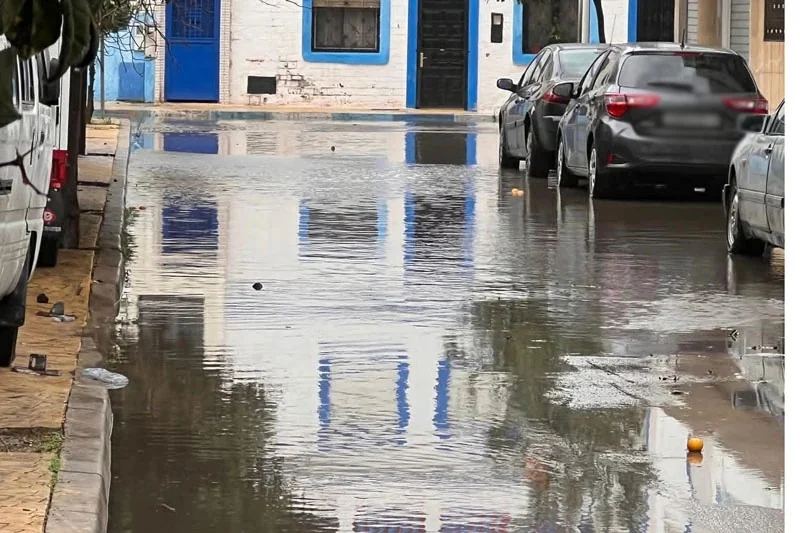
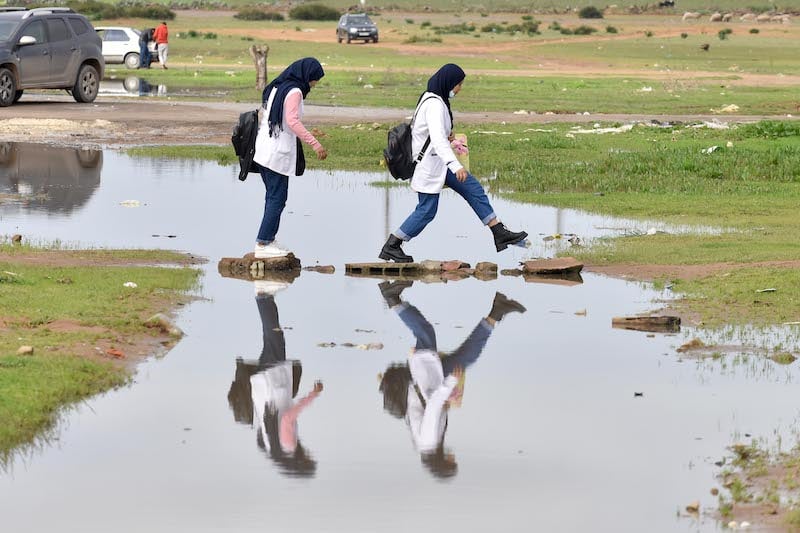
The report noted that sowing operations, which began in late December 2025, were slightly delayed due to late rainfall. However, heavy precipitation later that month helped replenish irrigation reservoirs in major production areas and improve soil moisture, supporting early crop establishment and growth.
According to FAO data, the Vegetation Health Index for cereal crops remained at “good” levels through mid-January 2026. Weather forecasts also point to continued rainfall close to seasonal averages through April, although localized rainfall deficits may persist in eastern and central regions.
To meet domestic consumption needs, Morocco is expected to import about 11 million metric tons of cereals during the 2025–26 marketing year, which runs from July to June. That figure is about 20% higher than the historical average, the FAO said.
The agency noted that the government has taken preventive measures to stabilize prices, including extending subsidies for soft wheat imports from December 2025 through April 2026. The move aims to keep soft wheat prices stable and ensure adequate flour supplies for bread production.
Food inflation in Morocco rose slightly in 2025, increasing by about 1% year over year, according to the report. The FAO attributed the rise mainly to higher prices for fresh meat and fish, while lower cereal prices helped limit overall inflationary pressure.
The report also highlighted the impact of adverse weather on the 2025 summer cereal harvest, which was estimated at about 4.5 million metric tons — roughly 13% below the long-term average. Production losses were largely due to a rainfall deficit exceeding 60% between December 2024 and February 2025. Rainfall in March and April was insufficient to offset earlier moisture shortages or significantly improve yields.
While cereal output in 2025 was higher than in 2024, FAO data show that overall production remains below average, underscoring Morocco’s continued vulnerability to climate variability.





add your comment
Terms of publication : Not to offend the writer, people, sacred things, or attack religions or the divine self, and refrain from racist incitement and insults.