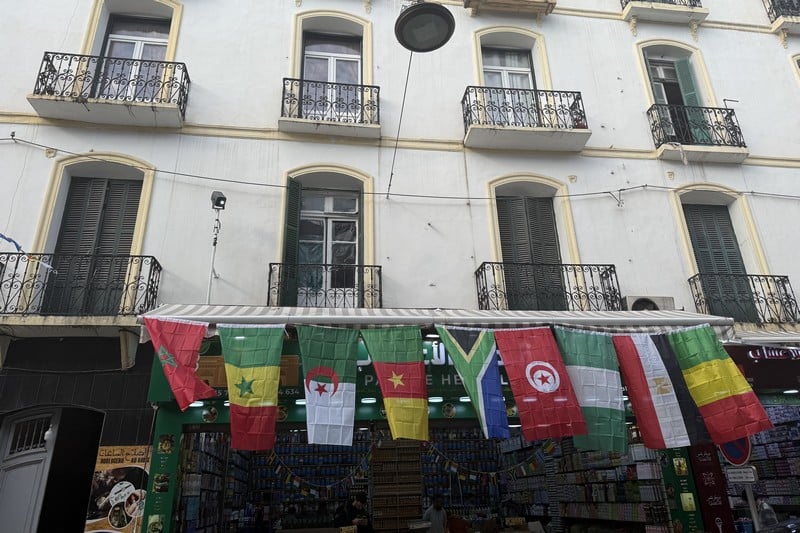
A wave of social media posts calling for Morocco to be “removed from Africa” emerged after the AFCON 2025 final, turning post match tensions into a broader attempt to politicise Morocco’s African identity.
Several posts circulating on social media questioned Morocco’s place in Africa, with some saying “Morocco doesn’t belong in Africa,” that “Africa doesn’t deserve it,” or even “detach Morocco’s map from the continent,”according to reviews of online content.
The messaging followed a series of provocations and misleading claims that had targeted Morocco since the start of the tournament, challenging its organisation of the event and intensifying after the final.
Rights groups and analysts said the online discourse also contributed to hostility directed at other African countries and communities, pushing post match tensions beyond the sporting context.
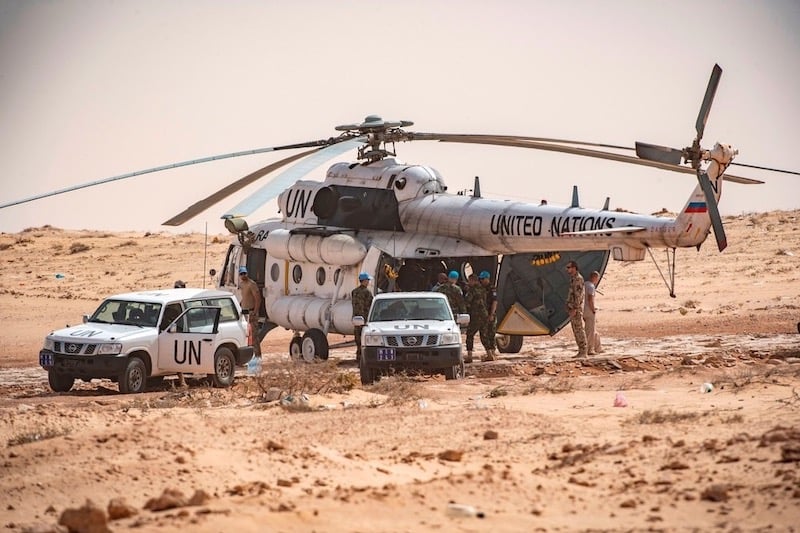
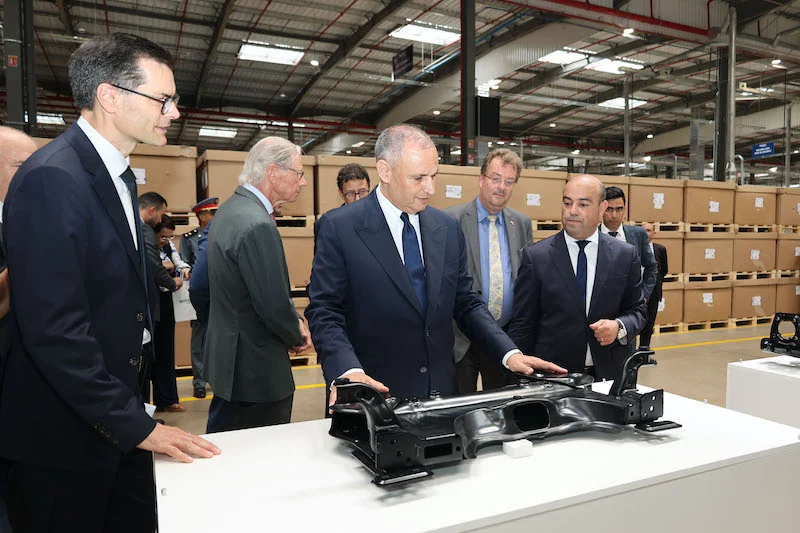
Morocco maintains extensive political and economic ties across Africa, underpinned by cooperative, win-win partnerships and carrying out development projects across the continent.
Morocco-Africa ties are strong:
Mohamed Chiker, a political expert, emphasized that these are just temporary emotions after a match that cannot affect Morocco’s deep-rooted political, cultural, and historical ties with Africa, which are structural and built on strong foundations of cooperation.
He stressed Morocco is deeply connected to Africa, and Africa remains tied to Morocco, with temporary reactions having no effect on these lasting relationships, as shown by statements from the Senegalese embassy.
Mounir Elghazoui, president of the Moroccan Network for the Social and Solidarity Economy (REMESS), also emphasized that reactions on social media are temporary and will have no real impact on the deep, historical ties connecting Morocco to its African brothers.
He said that “the human, cultural, and spiritual bonds between Morocco and Africa, along with Morocco’s long-standing African roots, are far stronger and more enduring than such moments.”
These ties are reinforced by Morocco’s concrete and sustained contributions under the leadership of King Mohammed VI, supporting economic and social development across numerous African countries.
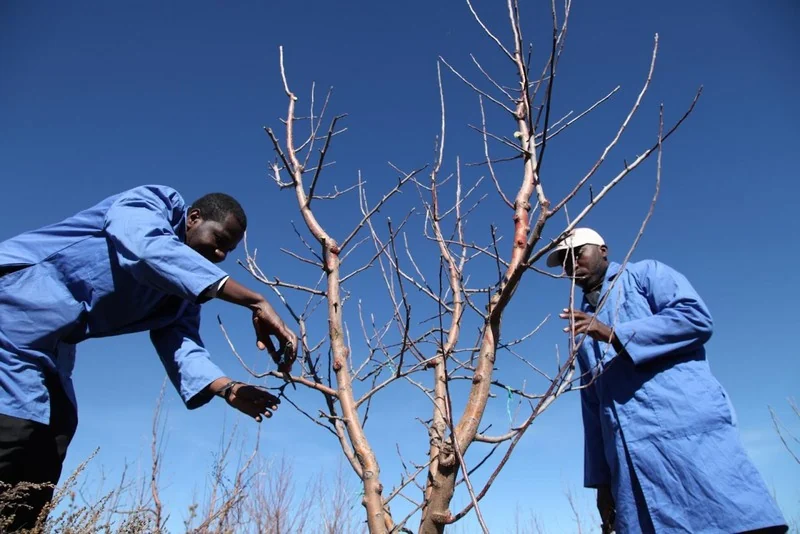
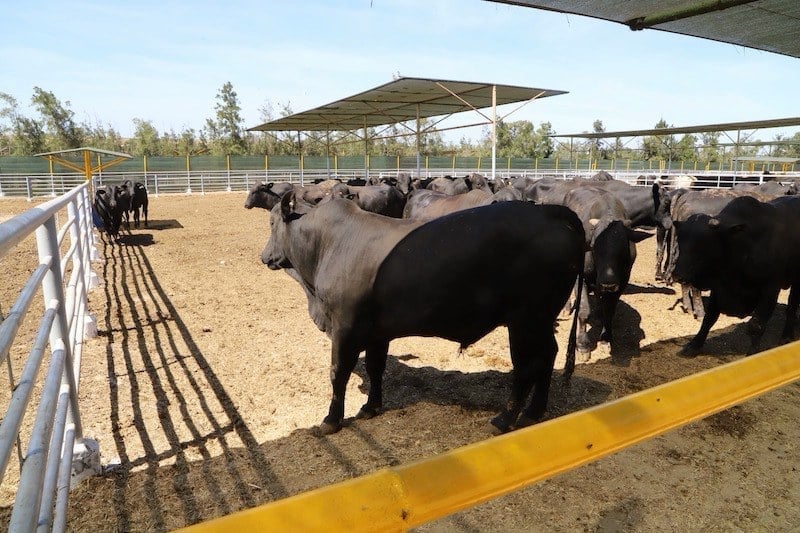
Elghazaoui highlighted that Morocco has made South-South cooperation a long-term strategy, implementing projects in infrastructure, agriculture, health, renewable energy, and vocational training.
It has also supported knowledge transfer, capacity building, and major continental initiatives, reflecting a vision of a united and independent Africa, “beyond temporary emotions or situational reactions.”
Racist discourse after AFCON:
The dramatic AFCON final has also sparked a wave on social media spreading hate, xenophobia, and racist messages, targeting both Moroccan and Senegalese communities.
Mohamed El Ghalloussi, President of the Moroccan Association for the Protection of Public Funds, warned against using the AFCON final between Morocco and Senegal to fuel racist, hateful, or divisive narratives.
He stressed the need to firmly oppose any discourse that incites violence or discrimination, as such rhetoric only deepens tensions.
El Ghalloussi condemned the events of the final as morally and legally unacceptable, calling on the Moroccan Football Federation to take responsibility and prepare a strong legal case against those involved in violence, chaos, or intimidation.
The Moroccan Human Rights Organization also condemned the widespread spread of racist and discriminatory messages on social media targeting African migrants in Morocco, noting that such rhetoric directly threatens their safety and dignity.
The organization warned that tolerating this discourse would undermine decades of legal and institutional progress in protecting migrant rights and promoting their integration.
It called for the strict enforcement of existing laws against individuals and accounts spreading hate speech.
The Moroccan Network of Migration Journalists called on media in Morocco and Senegal to act responsibly following hate campaigns and xenophobic content on social media after the AFCON 2025 final.
The network urged journalists to uphold ethical and professional responsibility when covering migration and coexistence, emphasizing in-depth reporting and fieldwork to counter false news, misinformation, and exaggerations related to foreign migration in Morocco.
It also called on the media to give a voice to migrants of all kinds, respecting their dignity and their right to representation.
The network emphasized protecting the historic and human ties between Morocco and Senegal to ensure this tension passes peacefully and unity prevails over division and racism.
Migrapress, an online platform specializing in migration issues in Morocco, warned that tensions over the dramatic final went beyond the sporting context.
It said the defeat was interpreted by part of public opinion as a symbolic rupture, fueling frustration and exclusionary narratives that targeted migrants from sub-Saharan Africa and undermined principles of solidarity and equality.
The Senegal-Morocco AFCON 2025 final match also exposed deeper, pre-existing social tensions and underscored the urgent need to counter hate speech and strengthen policies that protect coexistence and social cohesion, Migrapress concluded.





add your comment
Terms of publication : Not to offend the writer, people, sacred things, or attack religions or the divine self, and refrain from racist incitement and insults.