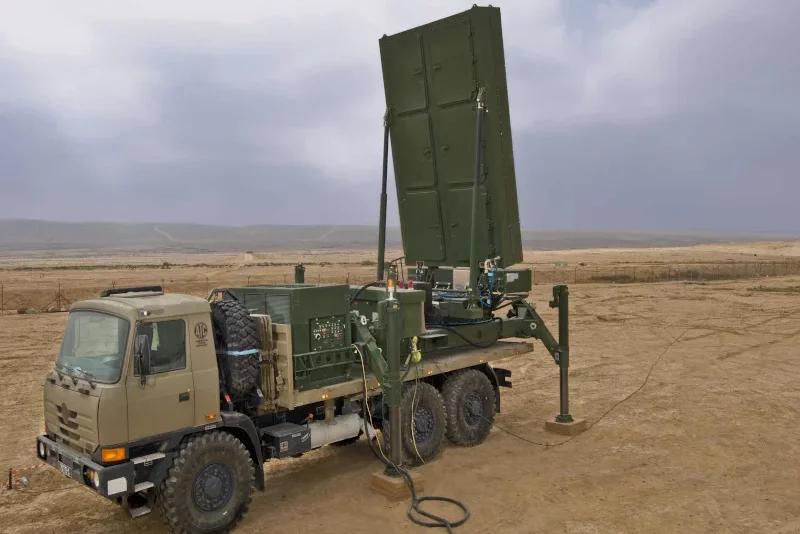
Israeli media reported that satellite based electronic intelligence detected emissions consistent with the activation of Morocco’s Barak MX air defence system, indicating the system may have entered operational status.
The claim, circulated in Israeli media and picked up by defence outlets, has not been confirmed by Moroccan authorities or by the system’s manufacturer, Israel Aerospace Industries, and the signals described by the analysts cannot be independently verified from public data.
If accurate, the activation would mark a tangible milestone in a deal that has been watched closely since Morocco moved to deepen security cooperation with Israel after the two countries resumed ties in 2020.
Morocco was reported in 2022 to have signed a contract worth about $500m for the Barak MX air and missile defence system, a purchase framed at the time as a major upgrade to its ability to protect airspace from drones and missiles.
Unlike the name most familiar to global audiences, Israel’s Iron Dome, which is designed to intercept short range rockets, the Barak MX sits in a different bracket.
It is a modular system built around radar, command and control, and multiple interceptor types that can be configured for short, medium and extended ranges, with the manufacturer describing engagement capability out to about 150km depending on the interceptor used.
Ballistic missiles, fighters, sea-skimming and cruise missiles, drones, helicopters, and gliding bombs can all be intercepted by this weapon.
Air defence has become one of the defining technologies of the current era of warfare, driven by the spread of armed drones and low cost precision weapons.
Morocco’s move also lands in a region where rivalry and mistrust remain entrenched, particularly between Morocco and Algeria, whose diplomatic crisis has persisted since 2021.





add your comment
Terms of publication : Not to offend the writer, people, sacred things, or attack religions or the divine self, and refrain from racist incitement and insults.