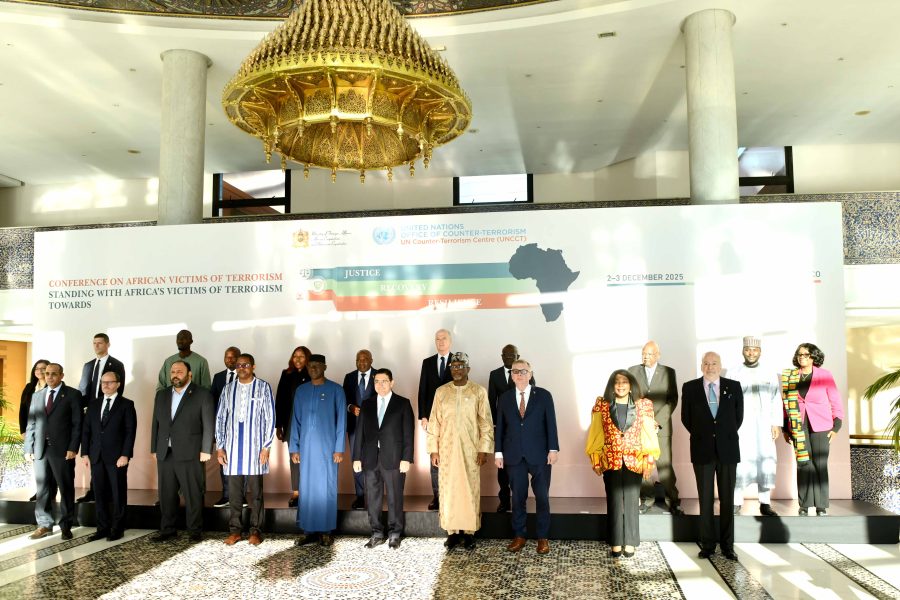
Morocco’s Minister of Foreign Affairs, African Cooperation, and Moroccan Expatriates, Nasser Bourita, held bilateral talks on Tuesday with ministers from Sahel countries, namely Burkina Faso and Niger, to strengthen cooperation and discuss regional developments.
The meetings took place on the sidelines of the Conference on African Victims of Terrorism, held under the theme “Standing with African Victims of Terrorism: Toward Justice, Recovery, and Resilience,” and supported by the United Nations Office of Counter-Terrorism (UNOCT), running December 2–3 in Rabat.
Diplomatic Training Agreement with Niger:
The Moroccan foreign minister and Niger’s Minister of Foreign Affairs, Cooperation and African Integration, Bakary Yaou Sangaré, signed a memorandum of understanding on diplomatic training.
Bakary Yaou Sangaré said the cooperation aims to support Niger and assist the new Institute of Diplomatic and Strategic Relations, which will soon open its doors.
He emphasized that “the agreement establishes a framework for cooperation between the Moroccan and Nigerien institutes, allowing them to benefit from Morocco’s experience in training and capacity-building, not only for diplomatic staff but also for officials in other ministries involved in negotiations traditionally handled by foreign affairs.”
The two ministers also discussed bilateral cooperation, which Sangaré said is based on equitable partnership and mutual respect, “with a focus on ways to revitalize and further strengthen it.”
He acknowledged Morocco’s position on the challenges faced by his country, noting that “Morocco is one of the few African nations that has stood by Niger, assisted during difficult times, and continues to do so.”
Sangaré also hailed Morocco as a true hub for major international conferences, saying this reflects the engagement of Morocco’s Ministry of Foreign Affairs and other ministries, not only in enhancing Morocco’s visibility but also “in helping to address major international challenges.”
He added that the conference, which focused on victims of terrorism, provided an important opportunity to exchange data and best practices on how to best support them.
Strengthening Bilateral Talks with Burkina Faso:
The Moroccan foreign minister also held bilateral talks with his Burkina Faso counterpart, Karamoko Jean-Marie Traoré.
Burkina Faso’s foreign minister said the discussions focused “mainly on bilateral cooperation, as well as a review of current African and regional developments and issues of shared interest.”
He also recalled his meeting with King Mohammed VI, held alongside representatives from Mali and Niger, where they discussed “strengthening peace and friendship among African countries, advancing South–South cooperation, and deepening their ties with Morocco.”
UN Collaboration Talk:
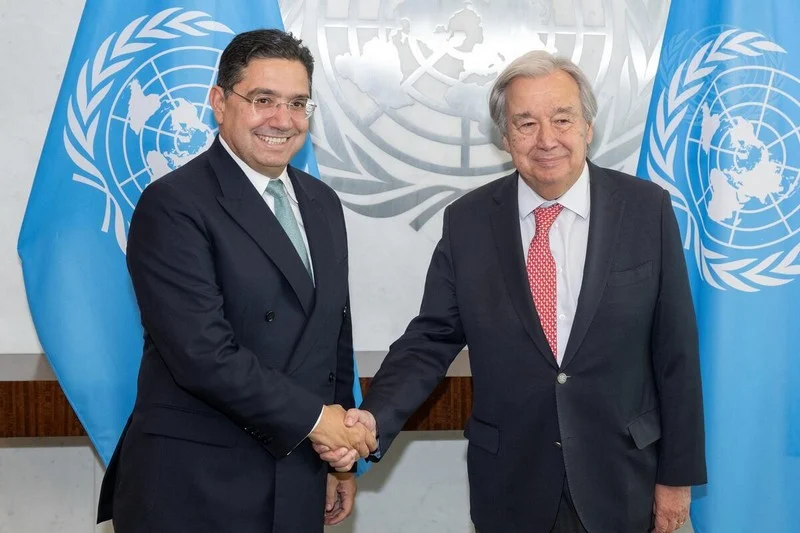
The foreign minister also held bilateral talks with a senior UN counter-terrorism official.
The official stressed “the importance of working together to combat terrorism, citing discussions with the Moroccan foreign minister on ways to strengthen cooperation between Morocco and the UN Office of Counter-Terrorism in New York.”
He added that political, moral, and financial support from the Moroccan government is essential for the work of the UN office in Rabat.
The official also announced “plans to invest additional resources to possibly expand the office in Rabat,” saying, “it is not a national office. It is a regional one, meant to support all African countries, and it is already doing so.”
The event, attended by several officials, ministers, and victims of terrorism from various countries, provided a platform for exchanging experiences and holding high-level dialogue on the central role of African victims, to promote national approaches and mobilize international support so that victims receive the recognition and assistance they need.
It also focused on the importance of placing African victims of terrorism at the center of public policies and international responses by recognizing their rights and needs, addressing the multidimensional impact of terrorism, identifying gaps in support, integrating their perspectives into national and global strategies, and strengthening partnerships among governments, UN agencies, civil society, and victim associations.






add your comment
Terms of publication : Not to offend the writer, people, sacred things, or attack religions or the divine self, and refrain from racist incitement and insults.