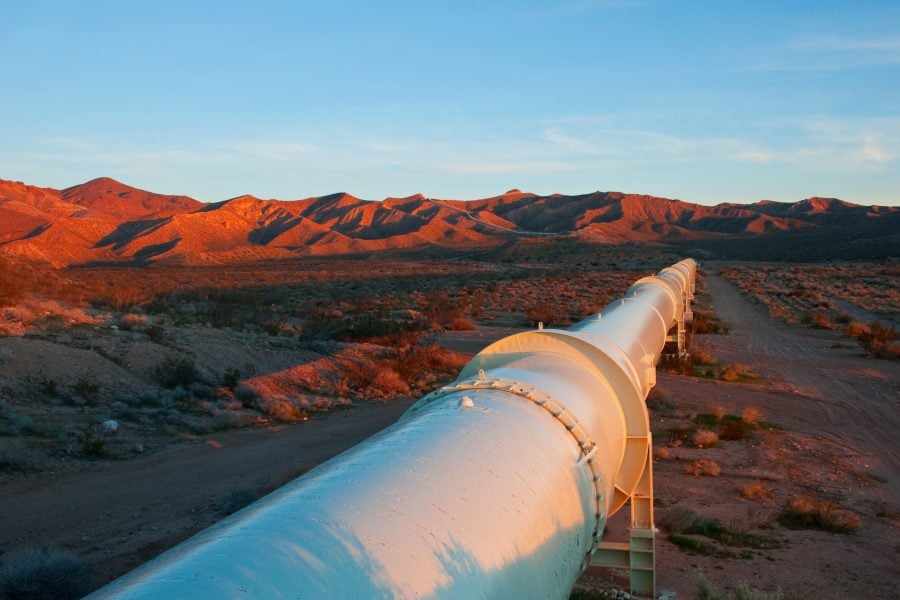
A new report by the Canada-based Geopolitical Monitor says the Nigeria–Morocco gas pipeline represents a significant strategic opportunity for Mauritania to expand its role in West Africa’s energy landscape. The project, it argues, allows the country to turn its “marginal geographic position” into diplomatic weight.
According to the analysis, Mauritania entered West Africa’s hydrocarbon sector relatively late. The Greater Tortue Ahmeyim project reached first gas in late 2024, while the BirAllah field adds more than 50 trillion cubic feet of reserves, placing Mauritania among Africa’s potential major future producers.
The report said Mauritania’s position in the pipeline project is defined by “what it contributes and what it gains.” It noted that the country’s costs for participation are minimal, while the benefits are immediate, including strategic autonomy, clearer North African energy policies and an assured place in West African integration frameworks.
The Nigeria–Morocco pipeline, first announced in December 2016 as a joint initiative between the Nigerian National Petroleum Company and Morocco’s National Office of Hydrocarbons and Mines, would run about 5,600 kilometers offshore along West Africa’s coast before crossing Morocco and connecting to the existing Maghreb–Europe pipeline.
The project is framed as an ambitious coastal integration corridor with three goals: monetizing Nigeria’s vast gas reserves, supplying gas to West African coastal states and offering Europe a new supply route away from Russian hydrocarbons.
Early phases target regional consumption in West Africa, where demand for electricity and industry remains high, the report said. Later phases would extend up the Atlantic coast through Morocco toward Europe. This sequencing reflects the recognition that European demand alone is not sufficient to secure financing, while regional consumption offers a more credible foundation.
Mauritania’s inclusion came through a series of memorandums of understanding since 2022, alongside Senegal, Gambia, Guinea-Bissau and other coastal states. These agreements do not oblige Mauritania to finance or build infrastructure but integrate it politically into the framework being developed by Morocco and Nigeria. This is particularly important, the report said, because Mauritania sits at the northern hinge of West Africa’s coast, where the offshore route begins turning toward Morocco and the Mediterranean.
By positioning itself within the pipeline architecture, Mauritania gains access to diplomatic channels, energy negotiations and policy forums that would otherwise unfold without it, the report argued. Participation requires little financial commitment but provides a platform linking West African producers to the Mediterranean and enhances Mauritania’s symbolic weight in ECOWAS and Maghreb-region debates.
Even if the pipeline is not completed, Mauritania still benefits from increased visibility, diplomatic engagement and strategic clarity, the report noted. If built, the project would offer the country diversified export routes and new revenue prospects.
Financing remains the project’s main challenge. With costs exceeding $25 billion, investors will demand reliable purchase guarantees—difficult to secure amid Europe’s declining gas demand under decarbonization plans.
Mauritania faces only a small share of these risks, the report said. Nigeria must ensure supply and mobilize reserves, while Morocco must maintain diplomatic credibility as project sponsor. Overall, Mauritania’s participation bolsters its presence in both West African and Maghreb diplomatic arenas, widens its negotiation space and reduces dependence on Senegal, reinforcing its position as a pivotal state capable of engaging across multiple regional blocs.




add your comment
Terms of publication : Not to offend the writer, people, sacred things, or attack religions or the divine self, and refrain from racist incitement and insults.