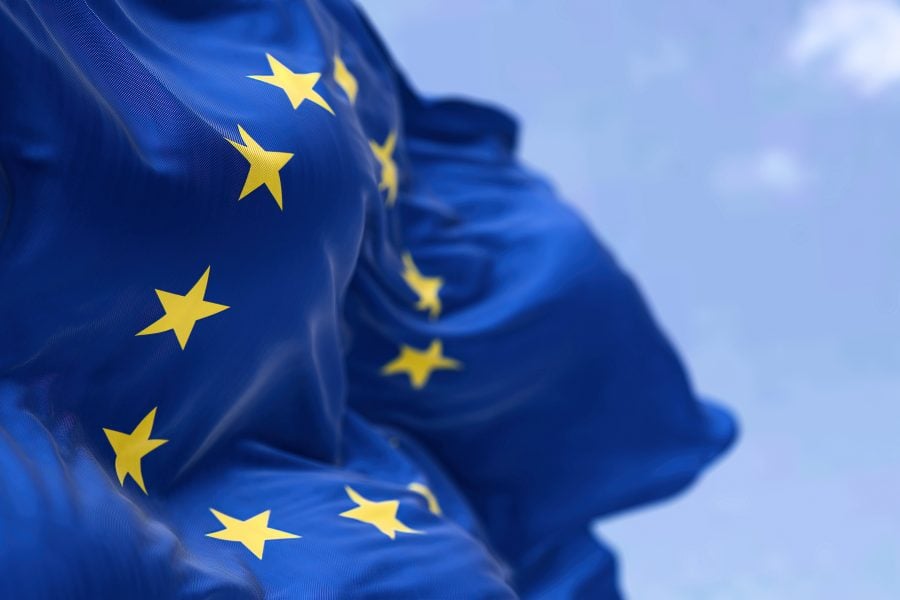
Morocco is confronting climate risks that are higher than the global average, according to a report by the European Investment Bank titled Who Is Most at Risk?
The findings reveal both physical risks from climate change and the country’s capacity to adapt, placing Morocco in a group of nations facing significant climate pressures.
The report gives Morocco a score of 1 for physical risks before adaptation, 0.5 for its adaptation capacity, and a final post-adaptation risk score of 0.8.
Morocco also scored 0.8 on transition risks which are economic and structural challenges linked to the global shift toward low-carbon economies. By comparison, the global average is 1 across these indicators.
Physical risks for Morocco are largely shaped by chronic climate challenges common in the Middle East and North Africa (MENA) region, such as high temperatures, water scarcity, and the costs of protecting coastlines from rising sea levels.
The report notes that while countries in MENA have historically low greenhouse gas emissions, they face high exposure to climate impacts, a paradox that has drawn attention at recent UN climate conferences.
Rising temperatures threaten agricultural productivity, outdoor labor, and traditional industries. Coastal protection is also a major concern for Morocco, which has coastlines along both the Atlantic and the Mediterranean. The costs of defending these areas are expected to grow in coming decades, adding to the country’s climate burden.
On the adaptation side, Morocco’s score of 0.5 shows moderate readiness. The country has some institutional, financial, and technical tools to reduce climate impacts, but not enough to bring risks below the global average.
The report says that improving infrastructure, income distribution, and institutional capacity is key to strengthening national resilience.
Regarding transition risks, Morocco is less vulnerable than oil-dependent countries in the region. The score of 0.8 reflects the country’s lower reliance on fossil fuel revenues and ongoing efforts to develop renewable energy.
Globally, the report notes rising extreme weather events, heatwaves, and sea-level rise, with developed countries generally better able to manage these threats thanks to stronger adaptation capacities.




add your comment
Terms of publication : Not to offend the writer, people, sacred things, or attack religions or the divine self, and refrain from racist incitement and insults.