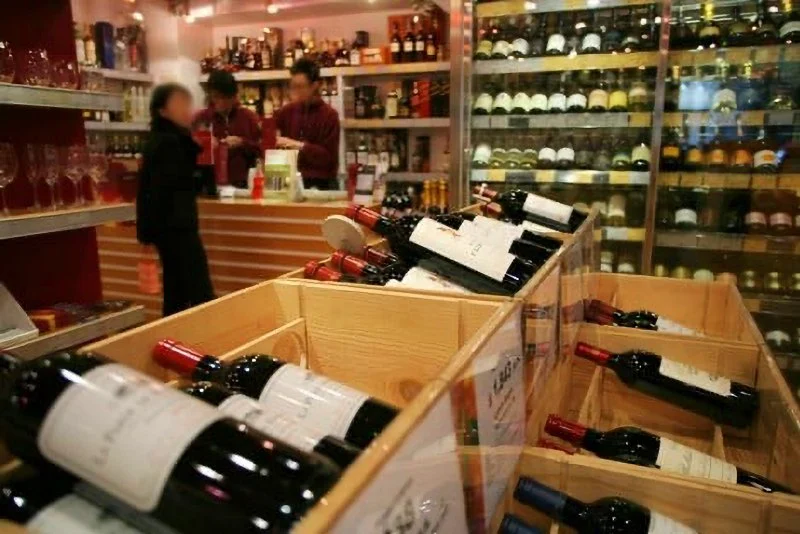
Morocco’s National Customs Brigade has intensified investigations into a suspected organized network accused of trafficking counterfeit alcoholic beverages labeled under premium international brands and bearing forged tax stamps, according to sources familiar with the operation.
Working in coordination with regional customs inspection units in Casablanca, Tangier, Marrakech, Agadir and Dakhla, the brigade reportedly launched an extensive probe after receiving intelligence about the network’s operations.
Sources told Hespress AR that the counterfeit liquor is mainly distributed in major tourist cities, particularly Casablanca, Marrakech and Tangier, and supplied to select nightclubs and individual clients through trusted intermediaries.
Investigators traced the fake alcohol’s route to smuggling operations through Mauritanian ports before being brought into Morocco, where it was stored in secret warehouses, repackaged and sold as authentic imports.
The National Customs Brigade has also been working closely with security services to map smuggling routes and locate suspicious storage facilities, using drone technology to monitor difficult terrain, the sources said. The counterfeit products were reportedly sold as duty-free imports at prices up to 30% lower than genuine retail value, allowing the network to circulate large quantities undetected.
Despite tighter border controls in recent years, smugglers have continued to adapt their methods, prompting customs authorities to refer several organized smuggling cases to the national brigade, which has nationwide jurisdiction and authority to enter warehouses or commercial premises when necessary.
Preliminary findings estimate the network’s illegal trade value at over 165 million dirhams ($16 million), representing significant losses to the state treasury since the counterfeit goods bypass customs duties and health inspections. Raids on key distribution points are reportedly being prepared following the completion of investigations, with criminal prosecutions and heavy financial penalties expected for those involved.
Investigators are relying on data shared by the Customs Risk Analysis and Vigilance Unit and the Interior Ministry, which noted rising alcohol sales in regions where license holders have recently sought to relinquish their permits. The smuggling ring allegedly used misleading storage sites, including farm buildings, villas and apartments on city outskirts, to conceal their operations.
According to the government’s 2026 draft finance bill, Morocco expects to collect 1.49 billion dirhams in excise revenue from spirits and 1.96 billion dirhams from beer consumption.



add your comment
Terms of publication : Not to offend the writer, people, sacred things, or attack religions or the divine self, and refrain from racist incitement and insults.