
Diplomatic signals from Moscow suggest a gradual shift in Russia’s stance on the Sahara dispute, aligning more closely, at least implicitly, with Morocco’s long-standing autonomy proposal.
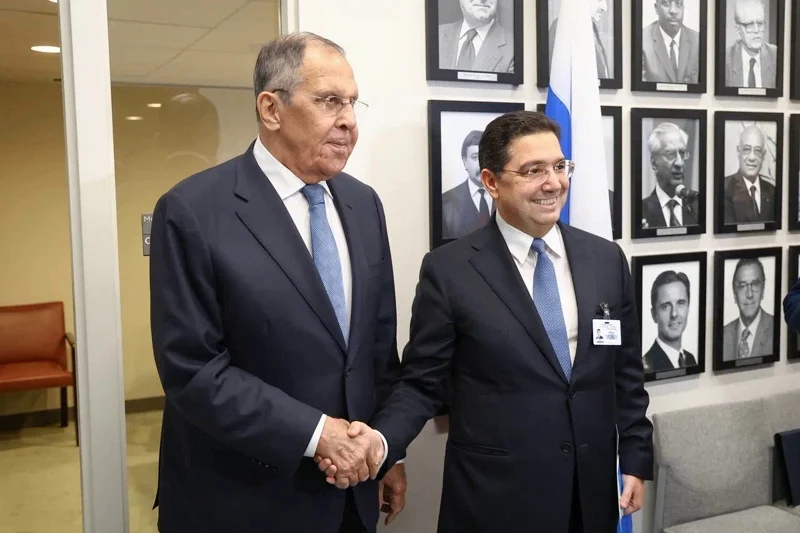
During a recent meeting with Moroccan Foreign Minister Nasser Bourita, Russian Foreign Minister Sergey Lavrovemphasized the need for a “realistic, balanced solution acceptable to all parties,” avoiding traditional terminology often associated with the dispute.
Analysts interpret this language as a carefully measured move toward Morocco’s approach, which has gained increasing international legitimacy in recent years.
Political observer Bousselham Aissat noted that Russia’s statements cannot be separated from the deepening strategic partnership with Morocco since King Mohammed VI’s historic visit to Moscow.
“Russia sees Morocco as a balanced strategic partner in North Africa,” Aissat said, emphasizing that Moscow’s stance aligns with the UN Security Council’s assessment that Morocco’s autonomy plan represents the most realistic solution currently.
Aissat added that Russia’s position demonstrates political prudence, balancing its historical regional interests with a capacity to influence negotiations without fully taking sides. He described the implicit recognition of Morocco’s autonomy plan as “already achieved,” suggesting that formal acknowledgment may come in time, depending on shifts in regional and international power dynamics.
International relations expert Hassan Belouane described Lavrov’s remarks as “beneficial for Morocco,” even if it is premature to expect an explicit Russian endorsement of Moroccan sovereignty claims. He highlighted the success of Moroccan diplomacy in moving Russia and China from passive neutrality to a more positive stance, alongside support from the United States, the United Kingdom, and France.
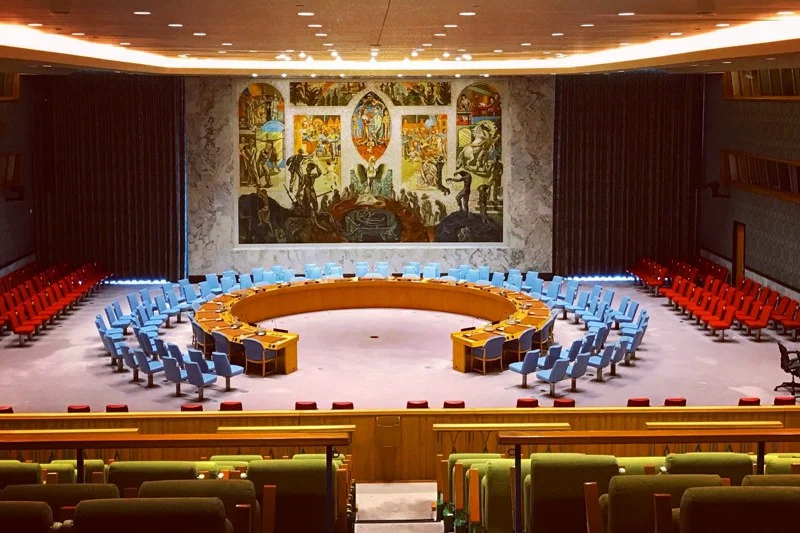
Belouane noted that the context of Russia chairing the UN Security Council further strengthens Morocco’s position and opens the door for potential new resolutions, though he cautioned that it is too early to discuss a final settlement.
Observers say the shift reflects a broader international trend toward pragmatic solutions, with Morocco’s autonomy plan increasingly seen as a credible framework for resolving the decades-long regional dispute.



add your comment
Terms of publication : Not to offend the writer, people, sacred things, or attack religions or the divine self, and refrain from racist incitement and insults.