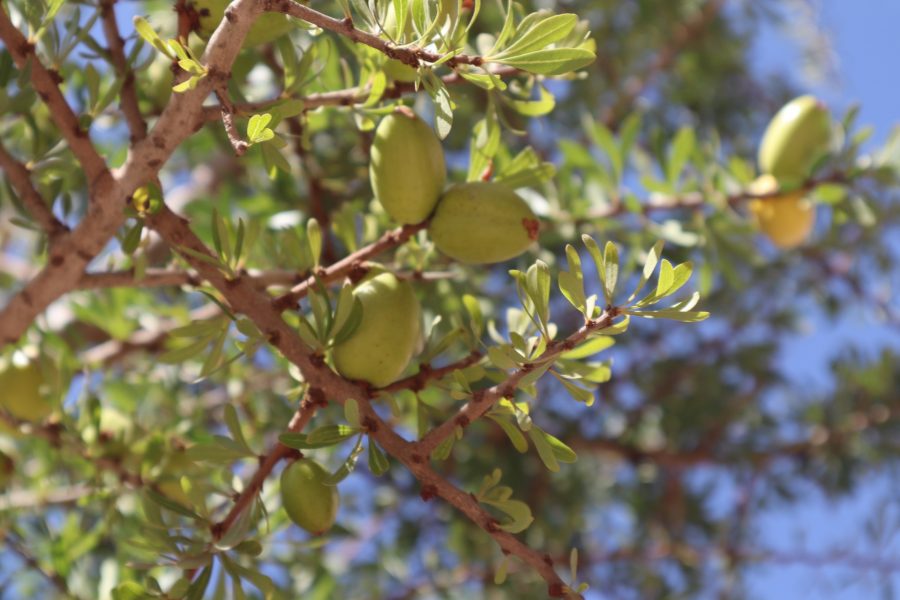
In Morocco’s heartland, farmers are watching their olive groves with renewed optimism.
After two difficult seasons that sent the price of olive oil soaring toward 100 dirhams a liter, growers say this year’s harvest is on track to be one of the strongest in years, buoyed by late winter and spring rains that revived groves weakened by drought.
The harvest is expected to begin in mid-October, with producers from regions such as Kelaa Sraghna and Meknes reporting yields far higher than in 2024.
“We anticipate output surpassing last year’s by more than 75 percent, reaching as high as 90 percent in irrigated groves,” said Abdellatif Tebbâlit, a cooperative farmer in Kelaa Sraghna.
Still, he noted that two more irrigation cycles could further boost yields, particularly for olives destined for oil presses.
Morocco plants more olive trees than any other fruit crop, with the groves covering about 65 percent of the nation’s orchard area.
The sector has long been central to rural incomes and export revenues, but years of water stress pushed prices to record levels, straining households that rely on olive oil as a dietary staple.
This year’s rebound, farmers say, could reset the market. Prices of last season’s oil have already slipped to around 60 dirhams a liter.
If the outlook holds, producers predict fresh oil could fall closer to 50 dirhams, though they warn that export policies will shape final prices.
Regional disparities remain. Growers in Boulemane reported hail damage late in the summer, while others noted heat waves and strong winds trimmed output. Yet industry leaders stress that newly planted groves under Morocco’s Green Morocco Plan are beginning to bear fruit, strengthening resilience.
“The signs are promising,” said federation head Rachid Benali. “The olive tree has endured drought, and this year, it is giving back.”






add your comment
Terms of publication : Not to offend the writer, people, sacred things, or attack religions or the divine self, and refrain from racist incitement and insults.