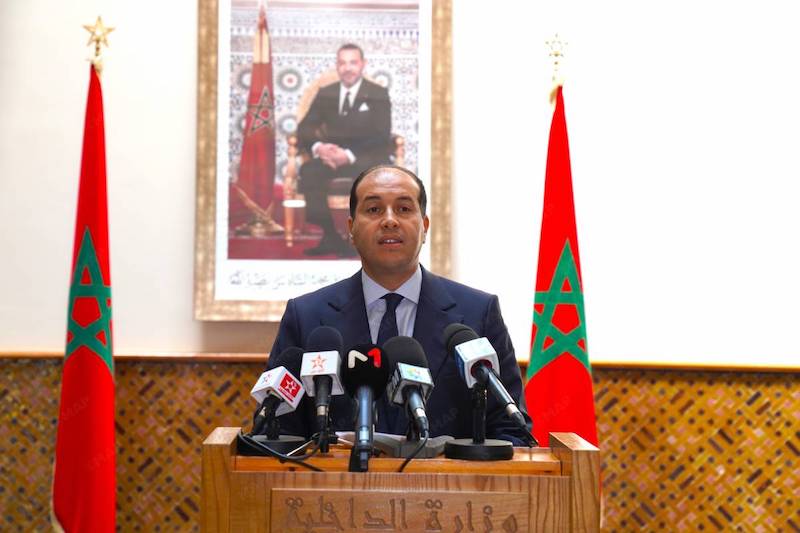
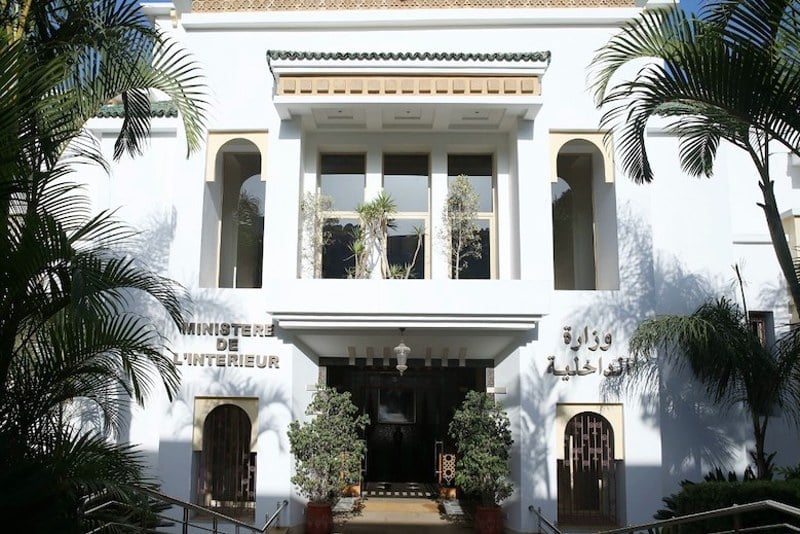
Morocco’s Interior Ministry said Wednesday that the recent bans on demonstrations in several parts of the country were due to organizers’ failure to comply with legal requirements.
In a statement to the media, ministry spokesperson Rachid Khalfi said authorities had recorded unregulated gatherings of unknown origin. “The essence of the decision to prohibit these protests is to balance citizens’ right to peaceful assembly, as guaranteed by Article 29 of the Constitution, with society’s right to security, stability, and public safety, under Article 21,” Khalfi said.
He stressed that achieving this balance is a core responsibility of public authorities. Khalfi added that law enforcement interventions were conducted in full accordance with legal and professional standards, with all actions constrained by constitutional and legislative provisions.
“This includes laws regulating public assemblies, legislation defining the duties of maintaining order, and international security and human rights protocols designed to protect people and property,” he said.
Khalfi emphasized that the primary goals of law enforcement interventions are to preserve public order, protect individuals and property, ensure lawful exercise of rights and freedoms, and maintain public trust in institutions.
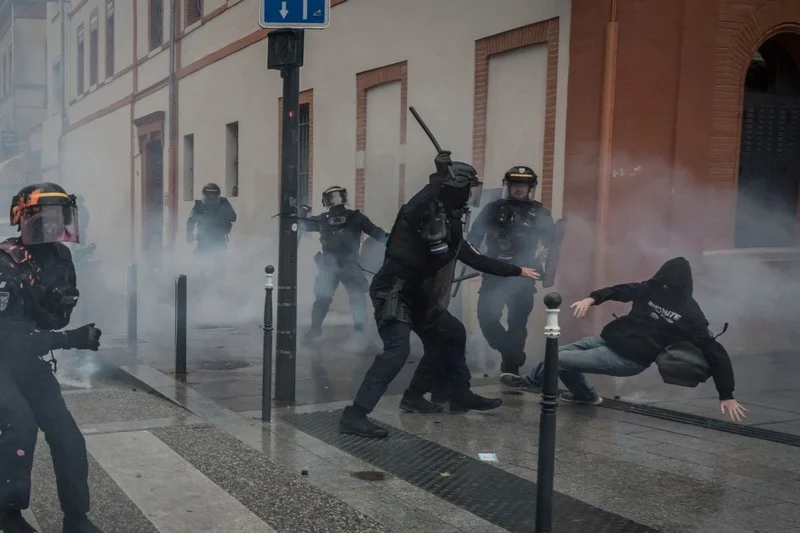
He said interventions were guided by three key principles: proportionality, moderation, and escalation only when necessary. Authorities used minimal force, exhausting peaceful measures such as legal warnings before dispersing crowds. “In all cases, intervention was a last resort in response to a small number of instigators,” Khalfi said.
The spokesperson highlighted that Morocco records over 600 protest movements each month under normal conditions, reflecting the country’s commitment to freedom of expression and lawful peaceful assembly. He noted that most arrests during recent demonstrations were for identity verification, while those placed in custody faced evidence of criminal acts such as obstructing public roads, arson, throwing stones at law enforcement, and property damage.
Khalfi concluded that all operations were carried out transparently, allowing journalists to monitor and report freely, reflecting the authorities’ respect for media freedom and public accountability.


add your comment
Terms of publication : Not to offend the writer, people, sacred things, or attack religions or the divine self, and refrain from racist incitement and insults.