
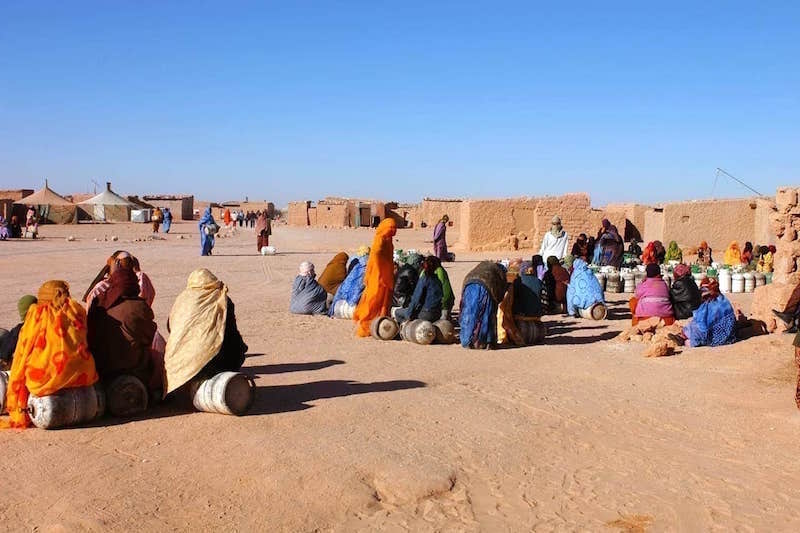
Human rights advocates have presented several testimonies at the 60th session of the United Nations Human Rights Council in Geneva, exposing the dire conditions of Sahrawis in the Tindouf refugee camps in Algerian soil.
They pointed to the denial of development rights and the persistence of modern slavery, contrasting the situation with the significant progress made in Morocco’s southern province.
Large-scale development programs in the Sahara, they stressed, have brought tangible improvements in education, healthcare, infrastructure, and employment for local people.
Development blocked
Dahi Ahl El Khattat, a civil activist, exposed the blatant denial of the right to development for Sahrawis living in the Tindouf camps on Algerian soil.
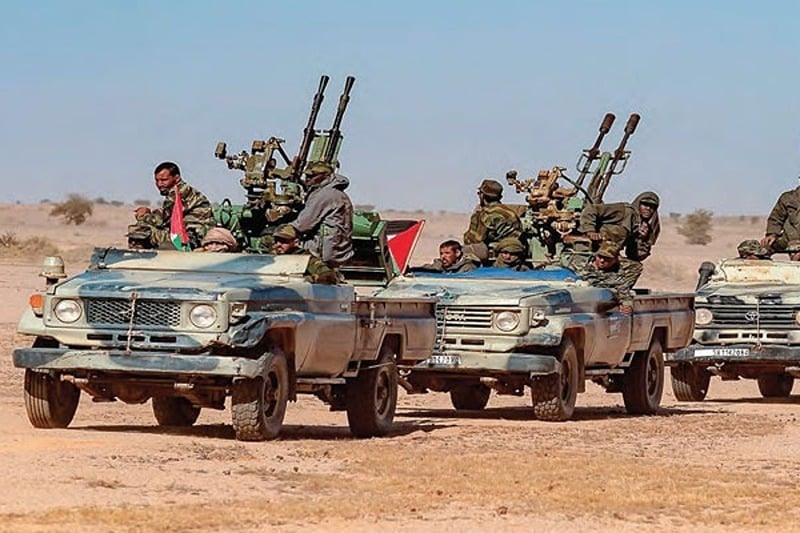
He stressed that this fundamental human right is being systematically violated, as the camps have been transformed into militarized zones controlled by armed groups with the backing of Algerian authorities.
El Khattat stated that this reality denies Sahrawis not only their right to development, but also their rights to property and economic independence.
In contrast, he highlighted the progress made in Morocco’s southern provinces, where an $8 billion development program launched in 2015 has brought tangible improvements in education, healthcare, infrastructure, and employment.
These gains, which have been recognized in several United Nations reports, have translated into significant improvements in people’s daily lives.
He urged the Human Rights Council to address the plight of Sahrawis in Tindouf and hold Algeria, the host state, accountable for its international human rights commitments.
El Khattat stressed that Algeria has an obligation to guarantee Sahrawi civilians their right to development, just as their counterparts in Morocco’s southern regions already enjoy.
The activist emphasized that the Sahrawis still trapped in the Tindouf camps are “deprived of their freedom and the opportunity for a dignified life.”
Aicha Douihi, a human rights advocate, described the Tindouf camps in Algeria as a place where “the rule of law is absent and the right to development is out of reach.”
She explained that with the camps now militarized zones controlled by Polisario and backed by Algeria, Sahrawis are deprived of core freedoms.
These include the rights to work, to own property, to move freely, and even to be formally recognized by international bodies like the UN Refugee Agency (UNHCR).
She urged the Human Rights Council to hold Algeria accountable to its international obligations.
She said that Sahrawis in Tindouf are denied their right to development, unlike their counterparts in Morocco’s southern provinces, where the $8 billion program launched in 2015 has brought real improvements and opportunities.
Douihi concluded with an urgent appeal for international action to ensure that the right to development is no longer just a theoretical promise, but a lived reality for everyone.
Slavery on the agenda
Mostapha Maoulainine, speaking on behalf of the NGO CIRAC, sounded the alarm over the persistence of modern slavery in the Tindouf camps in Algeria and under the de facto control of the Polisario Front.
He cited testimonies describing “systemic discrimination, forced labor, early and forced marriages, and denial of education for Sahrawis of servile descent.”
Maoulainine accused Polisario leaders of exploiting vulnerable families to maintain social and political control, despite clear violations of international conventions banning slavery since 1926.
He also emphasized Algeria’s responsibility as the host country, urging the Special Rapporteur to investigate these practices urgently, to conduct a visit to the Tindouf camps, and to include the findings in his next report to the Council.
Lucia Ferreira Perea, representing the Independent Center for Research and Initiatives for Dialogue (CIRID), stressed that despite the universal prohibition of slavery, some camp residents in Tindouf continue to endure hereditary servitude and racial discrimination.
She cited the case of Mohamed Salem, a young Sahrawi who in 2020 was barred from marrying a woman from a so-called free tribe due to his family background.
Ferreira Perea argued that this system of racial segregation and descent-based slavery is a blatant violation of fundamental rights and international conventions, including the 1956 Supplementary Convention on the Abolition of Slavery.
She called on the Council to mandate the Special Rapporteur to investigate these violations, remind Algeria of its international obligations as the host state, and firmly condemn the Polisario for perpetuating slavery and discriminatory practices.


add your comment
Terms of publication : Not to offend the writer, people, sacred things, or attack religions or the divine self, and refrain from racist incitement and insults.