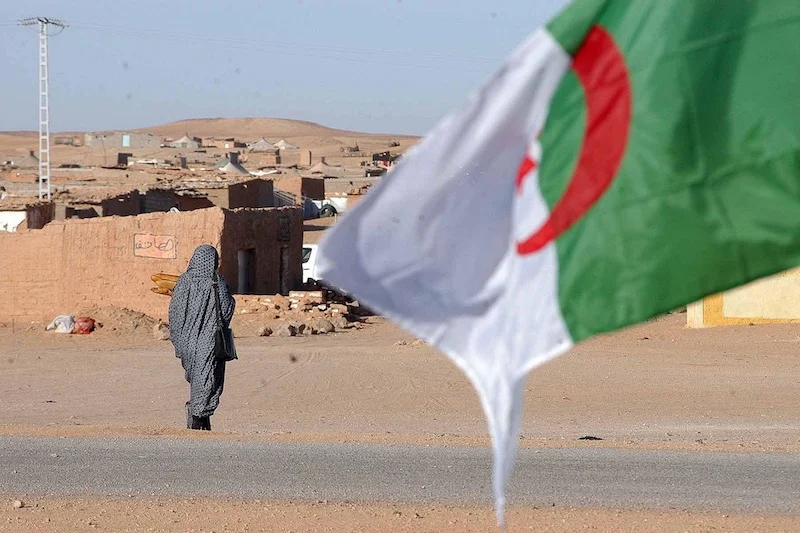
Human rights activists on Wednesday called on the United Nations Human Rights Council to investigate alleged abuses in the Tindouf refugee camps in southern Algeria, accusing the Polisario Front of systematic violations and urging Algeria to take responsibility for the camps on its territory.
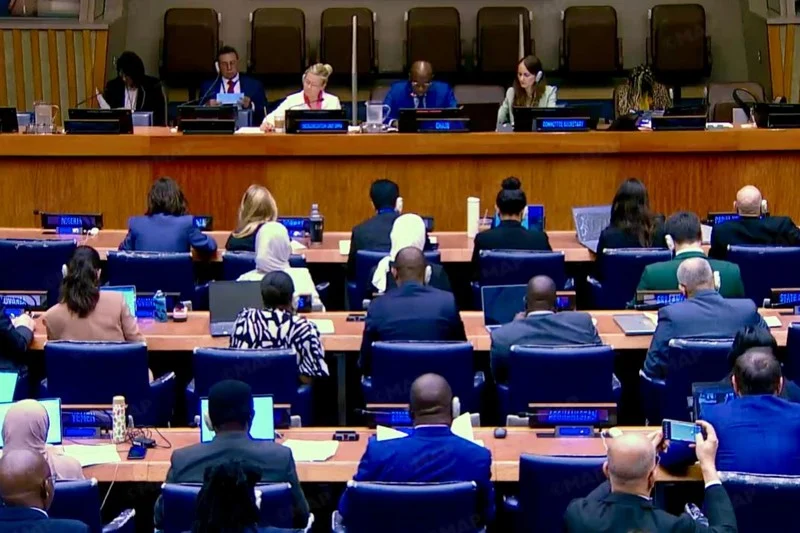
The appeals came during the Council’s 60th session in Geneva, where groups described the camps as “fortresses of silence” marked by suffering, repression and the absence of accountability.
Mahmoud Zidan, a former detainee of the Polisario, told delegates that the camps had effectively become “collective prisons” under military control.
He denounced arbitrary arrests, enforced disappearances, torture, and persecution of activists critical of Polisario leader Brahim Ghali. Zidan cited more than 30 young men killed by Algerian forces while attempting to flee and 131 cases of enforced disappearance allegedly in secret detention centers.
He said these violations reflected the failure of the international human rights system to protect victims and called for urgent international intervention, independent investigations and reparations for victims.
Zidan also urged the UN to press Algeria to stop delegating legal and territorial authority over the camps to the Polisario, stressing that Algeria bears legal and ethical responsibility for protecting refugees on its soil.
Other speakers echoed the concerns. Mustapha Maelainin, representing the International Committee for Respect and Application of the African Charter on Human and Peoples’ Rights (CIRAC), highlighted the case of activist Ahmed Khalil, who disappeared in 2009 after criticizing corruption in the camps.
He accused Algerian intelligence, in collusion with the Polisario, of abducting Khalil and condemned the “policy of impunity” surrounding the case.
Maelainin said Algeria’s obligations under the International Convention for the Protection of All Persons from Enforced Disappearance were being violated and urged the Council to use its mechanisms to pressure authorities to reveal the fate of the disappeared.
Ocaproce International, another rights group, also voiced alarm over the plight of activists, citing decades of repression, media restrictions and military controls designed to silence dissent.
The group called for an end to impunity for perpetrators and urged support for Morocco’s autonomy plan for the Sahara, describing it as the only realistic path to ensure dignity and stability for Sahrawi populations.






add your comment
Terms of publication : Not to offend the writer, people, sacred things, or attack religions or the divine self, and refrain from racist incitement and insults.